Cooking for One: Healthy Meals for Seniors
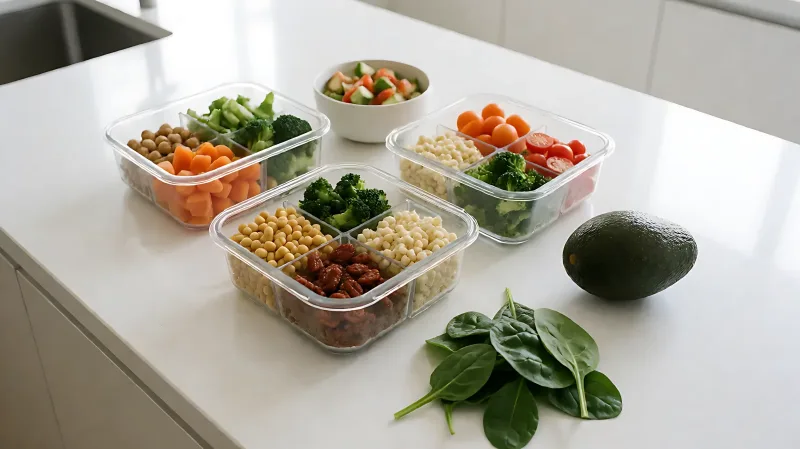
Living alone can make healthy cooking feel impossible. This guide offers practical tips for portioning, reducing waste, and preparing simple, nutritious meals for seniors.
Cooking for one can feel like a balancing act of waste and effort, but it does not have to be complicated. You can prepare healthy, satisfying meals by mastering simple portioning techniques and choosing versatile ingredients. By cooking two servings and freezing one, or by building meals around a single protein and a carb, you can maintain nutrition without the burden of large batches. This approach supports healthy aging by ensuring you get essential nutrients while minimizing food spoilage and kitchen stress.
For more information, see NIA healthy eating and nutrition guide from the National Institute on Aging.
How do I start cooking healthy meals for one?
When you live alone, the biggest challenge is usually not the cooking, but the logistics. Most recipes are written for four people, and fresh ingredients can spoil before you finish them. The American diet often encourages bulk shopping, which leads to waste when you have a smaller plate. To counter this, start by shifting your mindset from cooking a full "meal" to assembling a plate with distinct components. This allows you to control portions precisely.
For seniors and adults living solo, the goal is efficiency. You do not need to use the same effort to make one portion as you did for a family of four. Instead, look for ingredients that serve double duty. A container of Greek yogurt, for example, can be breakfast, a snack, or a base for a salad dressing later in the week. A rotisserie chicken from the grocery store can provide meat for dinner tonight, sandwiches tomorrow, and soup in a few days. This strategy aligns with guidelines from the Centers for Disease Control and Prevention (CDC), which emphasize that consistent access to nutritious food is key to maintaining health in later years.
What is the "One Plus One" meal method?
If you stand in front of your refrigerator and feel blank, use a simple formula to build a balanced meal. This method removes the need for complex recipes. Think of your plate as having three distinct sections. First, choose a source of protein. This could be eggs, canned tuna, beans, or a piece of fish. Second, choose a filling carbohydrate. This might be a whole-grain roll, a small baked potato, or a cup of rice. Third, add a colorful component for vitamins and fiber. This could be a side of frozen vegetables, a fresh salad, or a piece of fruit.
For instance, if you have two eggs, a piece of toast, and a sliced tomato, you have a complete meal. If you have canned salmon, a small portion of brown rice, and steamed broccoli, you have another. This flexibility means you are not stuck waiting for a specific ingredient. It also means you can buy in smaller quantities. Instead of buying a large block of cheese that may mold, you can buy pre-sliced deli cheese or small individual packs that are easier to manage for a single household.
What are the best simple recipes for seniors living alone?
You do not need to spend an hour in the kitchen to eat well. The best meals for one are those that minimize cleanup and maximize flavor with minimal ingredients. Here are a few reliable strategies that work well for older adults who may have limited mobility or energy levels.
How can I make a balanced lunch or dinner in under 15 minutes?
One of the easiest hot meals is a "loaded" baked potato. Unlike a potato salad that requires chopping and mixing, a single potato is self-contained. You can microwave a medium potato in about five to seven minutes. Top it with canned black beans, a handful of frozen corn (which thaws instantly), and a slice of cheese. The heat from the potato melts the cheese, creating a warm, protein-rich meal. This meal provides complex carbohydrates for energy and fiber from the beans. It is a practical alternative to fast food, which is often high in saturated fat and sodium. The National Institutes of Health (NIH) notes that older adults often have lower metabolisms, so keeping portions moderate is essential to avoid excess calorie intake.
Another quick option is a one-pan pasta dish. Use a small bag of rotini or penne. Boil it for one person. While it cooks, heat a small can of tomato sauce in a separate pan. Add a pinch of dried oregano and a spoonful of shredded cheese. Toss the pasta in the sauce. Serve with a side of frozen spinach. This method uses only two pans and very little dishwashing. It provides carbohydrates, antioxidants from the tomatoes, and greens for nutrition.
What are good high-protein meals that are easy to digest?
Protein is critical for muscle maintenance as we age. The Academy of Nutrition and Dietetics suggests that older adults may need up to one gram of protein per kilogram of body weight to prevent muscle loss. A simple way to hit this target is with an omelet. Mix two eggs with a splash of milk, then add chopped mushrooms and cheese. Cook in a non-stick pan for three to four minutes. Serve with a slice of whole-grain toast. This meal is soft, easy to chew, and provides high-quality protein without the effort of grilling or roasting meat. It is also cost-effective, as eggs are generally one of the most affordable protein sources in the US grocery store.
How do I prevent food waste when cooking for one?
Food waste is a significant issue for solo diners. You often open a package of ground beef or a bunch of spinach only to have it spoil before you can use it all. The solution is to change how you shop and what you buy.
Which ingredients should I buy in smaller quantities?
Focus on shelf-stable or freezer-friendly items. Buy individual packs of deli meat, small jars of salsa, or half-and-half milk instead of the gallon. For proteins, consider frozen fish fillets or pre-portioned chicken breast cuts. These items can sit in your freezer indefinitely, and you can take out exactly one portion when you are ready to cook. This removes the pressure of using fresh meat within 48 hours.
For vegetables, frozen is often a superior choice for cooking for one. You can pour out exactly one cup of broccoli or peas into a pot. If you want fresh vegetables, buy the smallest bunches available, such as baby spinach or mini carrots. These are easier to consume before they wilt. The United States Department of Agriculture (USDA) recommends that families store root vegetables in cool, dark places to extend their life, but for a single person, the volume is so small that the freezer is your best friend.
How does "cooking for two, eating for one" work?
This is the most powerful strategy for saving time. If you are making a pot of chili, a tray of lasagna, or a sheet of roasted chicken, make enough for two dinners. Cook the full batch, then immediately put one portion into a freezer-safe container. When you are too tired to cook on a Tuesday night, you have a hot, homemade meal ready to reheat in the microwave. This halves the effort of cooking multiple times a week and ensures you always have a backup meal. It is a practical application of meal prepping that does not require a fancy planner, just a freezer drawer and some storage containers.
What should I know about nutrition for healthy aging?
As you move into your 60s and beyond, your nutritional needs shift. You may need more calcium and vitamin D for bone health, and more fiber to prevent constipation. However, you may need fewer calories overall because your metabolic rate slows down. This means you should prioritize nutrient-dense foods over high-calorie, low-nutrient snacks.
The CDC provides food safety guidelines that are especially important for older adults, who may have weakened immune systems. Always wash your hands before handling food, keep raw meat separate from produce, and refrigerate leftovers within two hours of cooking. These simple hygiene steps prevent foodborne illness, which can be much harder to recover from as you age.
Furthermore, hydration is often overlooked. Many seniors struggle to feel thirsty. Keep a water bottle on your counter or drink a glass of water with every meal. Staying hydrated helps with digestion and keeps you alert. If you are on medication, check with your doctor or pharmacist to see if any of your pills affect your appetite or nutrient absorption. This is a crucial step in aligning your diet with your specific health needs.
Frequently Asked Questions
How much protein should I eat at each meal?
For healthy older adults, aim for 20 to 30 grams of protein per meal to maximize muscle protein synthesis. This is roughly the size of a palm of your hand. You can achieve this with 3 ounces of chicken, two eggs, or half a cup of Greek yogurt.
Are frozen vegetables as healthy as fresh?
Yes. Frozen vegetables are picked at peak ripeness and flash-frozen, which locks in nutrients. For a single person, they are actually more nutritious than fresh vegetables that have sat in the store or your fridge for days. They are a perfect choice for small portions.
What are the best liquids to drink for hydration?
Water is the best option. Herbal teas without caffeine and diluted fruit juices are also good. Avoid high-sugar sodas and excessive alcohol, which can dehydrate you. Check the FDA label on sports drinks; they are often unnecessary for normal daily activity.
Can I use meal delivery services if I live alone?
Yes, many services now offer single-serving meals. However, check the nutritional information, as these can sometimes be high in sodium. If you choose a service, look for options that align with the MyPlate guidelines from the USDA, which emphasize fruits, vegetables, and whole grains.