Kitchen Upgrades For Arthritic Hands: Save Time & Effort
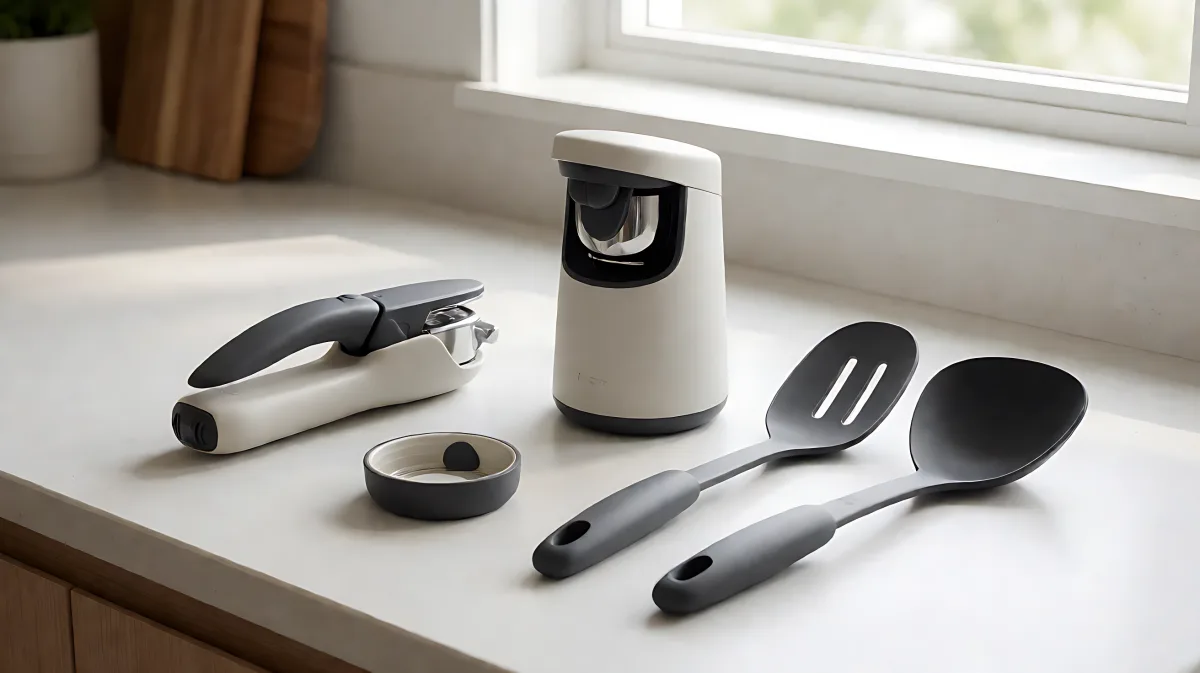
Arthritis can turn simple kitchen tasks into exhausting ordeals. These specific upgrades target the four most painful motions—squeezing, twisting, pinching, and stroking—to restore independence and efficiency.
Arthritis transforms simple kitchen routines into painful struggles, but targeted upgrades can reclaim independence. The most effective modifications address the four motions that aggravate joints: squeezing, twisting, pinching, and repetitive stroking. By replacing high-grip manual tasks with electric tools or large, cushioned handles, users can significantly reduce effort. For example, an under-cabinet jar opener eliminates the need to twist lids with weak hands, saving both time and pain. Investing in these specific solutions is far more efficient than buying generic "arthritis sets."
Why Specific Motions Matter More Than Generic Tools
Many families assume that buying a complete set of adaptive gadgets is the best starting point. In fact, most of these sets are filler; a parent who cannot grip a thin peeler will struggle with a melon baller just as much. The Arthritis Foundation emphasizes that arthritis does not make all kitchen tasks hard equally. It specifically punishes four motions. To save the most minutes and reduce pain, you must identify which of these motions hurts most and buy against that specific weakness.
How Electric Openers Save Time on Cans and Jars
Opening cans and jars is the most common complaint among arthritis sufferers. Standard manual openers require sustained clamping force, which inflames joints. An OXO Good Grips Locking Can Opener, typically priced around $20, allows the user to squeeze once to lock the blade, then use the larger turning knob to open the can. This spreads effort across the whole hand rather than the fingertips. For jars, the EZ-Off under-cabinet opener, available for about $25, removes the twisting motion entirely. It mounts to the cabinet underside, holding the lid still while the user turns the jar body with a stronger shoulder, avoiding the grip-on-twist combination that causes the most pain. With over 28,000 reviews averaging 4.6 stars, users frequently describe this tool as life-changing for its simplicity.
Choosing the Right Cutting Tools for Weak Grip
Knives require downward pressure, which strains the wrist. A sharp blade with a handle diameter of at least 1 inch reduces this strain. OXO Good Grips Kitchen and Herb Scissors, priced at $13, allow users to cut instead of chop, eliminating the repetitive wrist rotation. The spring-loaded action means the scissors open automatically, reducing the fatigue of closing them. For peeling, a swivel peeler with a thick, pressure-absorbing handle takes a wider swath per pass. This means fewer strokes are needed to peel a potato, saving minutes on repetitive tasks that would otherwise inflame the thumb joint.
Key Features to Look For in Upgrades
- Locking Mechanisms: Tools that lock onto an object (like cans) remove the need for sustained squeeze force.
- Oversized Handles: Wide, soft-grip handles spread pressure across the palm rather than concentrating it in fingertips.
- Electric Action: One-button openers eliminate grip strength requirements entirely, ideal for severe cases.
- Lightweight Materials: Tools under 8 oz reduce wrist fatigue during extended use.
Appliances That Automate the Most Draining Tasks
Beyond small tools, larger appliances can automate high-effort tasks. An electric can opener, such as the Hamilton Beach model, handles opening with zero grip strength. Similarly, a mini food processor eliminates the need for chopping, slicing, and dicing, which are prime triggers for joint pain. A 3-quart Instant Pot or pressure cooker allows users to dump ingredients and press a button, removing the need to stir or monitor heavy pots. These appliances not only save minutes but also reduce the risk of dropping heavy cookware due to weakened grip.
Common Mistakes in Ergonomic Kitchen Setup
A frequent misconception is that non-slip mats are merely an aesthetic choice. In reality, a non-slip mat under a cutting board is a critical safety upgrade. It prevents the board from sliding, which means the user does not need to grip the edge of the board with painful force while chopping. Another mistake is keeping frequently used items on high shelves. Storing them at waist level saves the energy required to reach overhead, which stresses the shoulders and wrists. Sitting on a barstool during prep work can also reduce fatigue, allowing for longer, more comfortable cooking sessions.
Step-by-Step Plan for a Pain-Free Kitchen
- Assess the Pain Point: Determine which of the four motions (squeeze, twist, pinch, stroke) causes the most discomfort.
- Replace the Can Opener: Install an under-cabinet jar opener or purchase a locking manual opener to stop sustained squeezing.
- Upgrade Cutting Tools: Switch to sharp knives with 1-inch handles or spring-loaded scissors to reduce wrist strain.
- Automate Heavy Prep: Introduce a mini food processor or electric can opener to eliminate manual grinding and gripping.
- Reorganize Storage: Move daily items to waist height and use non-slip bases for all cutting boards and appliances.
Frequently Asked Questions
Do electric jar openers work for all lid sizes?
Most modern electric openers, like the Hamilton Beach Open Ease, feature adjustable arms that grip a wide range of lid diameters. However, some very thin or irregularly shaped lids may require manual assistance. It is best to check the manufacturer’s specifications for the minimum and maximum lid sizes before purchasing.
Is a weighted fork helpful for arthritis?
Weighted forks are primarily designed for tremors associated with conditions like Parkinson’s or stroke. While they provide stability, they do not necessarily reduce joint pain from arthritis. For pure arthritis without tremor, a standard wide-grip handle is usually more effective because it reduces the pressure on finger joints without adding weight that could strain the elbow.
How much can ergonomic tools actually save in time?
While it is difficult to quantify exact minutes saved, efficiency gains are significant. A swivel peeler with a wide blade takes fewer strokes to peel a potato than a standard Y-peeler. An electric can opener takes seconds compared to the minute or two required for a manual squeeze. The greater benefit is the reduction in rest periods needed to manage pain, allowing the entire cooking process to flow without interruption.
Are these tools only for seniors?
No. Ergonomic design benefits anyone with hand fatigue, mild arthritis, or temporary injuries. Because these tools are more comfortable for everyone, they have become standard in many professional and home kitchens, not just adaptive ones.