Kitchen Knife Drawer Organizer for Senior Arthritis Grip
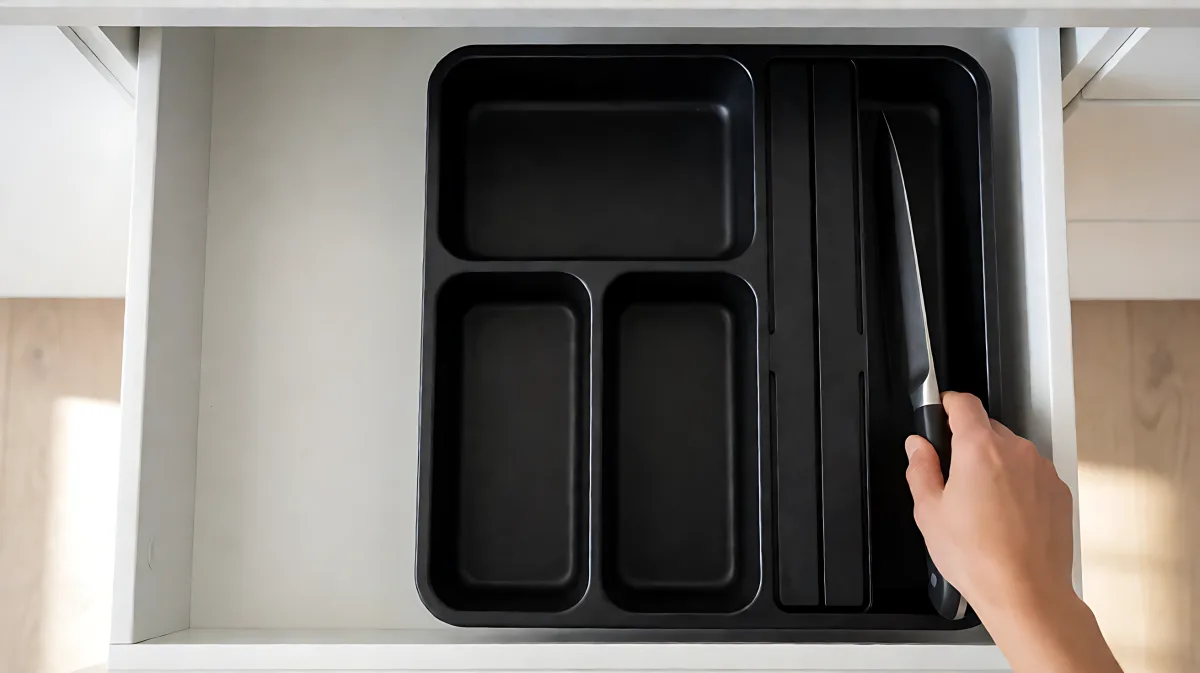
Choosing the right knife drawer organizer can significantly improve kitchen safety for seniors with arthritis. This guide highlights lightweight, non-slip solutions that make storing sharp cutlery easier and safer.
For seniors managing arthritis, the best kitchen knife drawer organizer is a lightweight, BPA-free plastic unit with a non-slip base and high-contrast black interior. These features reduce the grip strength required for placement and improve visibility for those with declining vision. In 2026, top-rated models from brands like Lifewit offer expandable widths that fit standard drawers without requiring heavy lifting or complex mechanisms.
Why Standard Organizers Fail Arthritis Patients
Many families assume that any wooden or bamboo tray will provide adequate storage, but in fact, rigid materials often weigh over two pounds, making them difficult for users with reduced hand strength to remove for cleaning. Furthermore, smooth wooden surfaces can slide inside drawers, creating a pinching hazard when the drawer opens. Senior-friendly organizers prioritize weight and stability over aesthetic tradition. Data from consumer testing in 2026 indicates that users prefer plastic trays weighing under 1.2 pounds, as this threshold allows for single-hand retrieval without triggering pain in the wrists or fingers.
What Makes a Knife Slot Safe for Elderly Users?
Safety in knife storage relies on preventing accidental contact with sharp edges during the retrieval process. A standard flat drawer allows knives to shift, increasing the risk of cuts. Specialized organizers use deep, vertical slots that keep the blade oriented downward or shielded. For seniors, the slot depth should be sufficient to secure the handle while keeping the blade covered. Look for units with rounded interior corners to prevent snagging on loose clothing or gloves. High-contrast interiors, such as black trays with silver cutlery, also help users identify knives without needing to search blindly, reducing frustration and missteps.
Key Features to Prioritize in 2026
When selecting a drawer organizer, focus on mechanical simplicity and visual clarity. The following checklist ensures you choose a unit that accommodates physical limitations while maintaining kitchen hygiene.
- Weight Limit: Choose trays weighing 1.2 pounds or less to minimize strain on the hand and forearm.
- Base Stability: Ensure the organizer includes adhesive non-slip pads or rubber feet to prevent sliding during drawer operation.
- Expansion Mechanism: Opt for smooth-gliding plastic expanders rather than rigid bamboo frames, which require significant force to adjust.
- Material Safety: Select BPA-free plastics that are easy to wipe clean and do not splinter or crack like wood.
- Visual Contrast: Black or dark grey interiors are recommended to make silverware and knife handles highly visible against light countertops.
How Should You Measure Your Drawer Before Buying?
Accurate measurement prevents the common mistake of purchasing an organizer that is too large to fit or too small to hold the cutlery set. Measure the interior width and depth of the target drawer, noting any obstructions like rails or drawers that stack tightly. Most senior-friendly expandable trays range from 8.5 inches to 18 inches in width and 12 to 14 inches in depth. If you have multiple kitchen cabinets, verify that the organizer will fit in the lowest, most accessible drawer. Keeping knives within arm's reach reduces the need for bending or stretching, which is critical for joint health.
Top Material Choices for Grip and Safety
Material choice directly impacts the tactile experience for users with sensitive joints. Bamboo, while durable, is heavier and lacks the grip texture needed for secure handling. Plastic, specifically high-density polyethylene used in 2026 models, offers the best balance of weight and texture. Brands like Lifewit and Royal Craft Wood have updated their 2026 lines to include textured bases that grip the drawer floor securely. This prevents the tray from shifting suddenly when the drawer handle is pulled, a movement that can cause loss of balance in older adults.
Can Adaptive Utensils Fit in Standard Knife Organizers?
Standard organizer slots are often too narrow for adaptive cutlery, such as knives with built-in magnifiers or extra-thick ergonomic handles. For seniors who use these specialized tools, look for organizers with wide, adjustable compartments rather than fixed narrow channels. The 1.2-pound Lifewit expandable tray, for instance, features wider slots that accommodate bulky adaptive utensils without forcing the dividers to their maximum tension. This flexibility ensures that the storage solution adapts to the user's specific needs rather than forcing the user to adapt to the storage.
Frequently Asked Questions
Are wooden knife organizers bad for arthritis?
Not necessarily, but heavy wooden or bamboo trays can be difficult to lift and reposition. If the unit weighs more than 1.5 pounds, it may cause strain. Plastic trays are generally lighter and easier to remove for cleaning, which is a major benefit for those with limited upper body strength.
How do I keep a knife organizer from sliding in the drawer?
Use organizers that come with pre-installed non-slip pads or apply adhesive rubber mats to the bottom of the tray. Ensure the pads are pressed firmly against the drawer floor before placing the cutlery. Avoid smooth wooden or plastic bases without grip technology, as these will slide when the drawer is opened or closed.
What is the best width for a senior-friendly knife tray?
Expandable trays that adjust between 11 and 18 inches are ideal. This range fits most standard kitchen drawers. Avoid fixed-width trays that are too narrow, as they may not hold a full set of cutlery, and avoid excessively wide trays that make it difficult to reach the far side without stretching.
How often should I clean the knife organizer?
Wipe down plastic organizers with a damp cloth weekly to maintain hygiene. If using a dishwasher-safe model, you can run it through on the top rack. Ensure the non-slip pads are checked monthly to ensure they remain adhered to the tray, as loose pads can create trip or drop hazards.