Senior Bathroom Safety: 5 Design Tips to Prevent Falls
Why Bathroom Safety Is Critical for Seniors The bathroom is consistently the highest-risk location for falls among older adults. This is because it combines multiple danger factors: wet floors, narrow
Why Bathroom Safety Is Critical for Seniors
The bathroom is consistently the highest-risk location for falls among older adults. This is because it combines multiple danger factors: wet floors, narrow turning spaces, low lighting, and the physical difficulty of standing up or bending down. For seniors, a single slip can lead to hip fractures, prolonged hospitalization, or a loss of independence. Unlike installing security cameras, which monitors after an incident occurs, proper bathroom anti-slip design actively removes the opportunity for a fall. This approach is not just for the elderly; it benefits pregnant women, post-op rehab patients, and children, effectively acting as a comprehensive home safety investment for the entire family.
Five Interior Design Strategies for Fall Prevention
Effective bathroom safety is a systemic plan that addresses three layers: reducing ground slipperiness, providing body support points, and ensuring clear visibility and emergency access. Here are five specific design ideas to implement:
- Anti-Slip Tiles and Friction Coefficients: The foundation of safety is the floor. Select tiles with a high slip resistance rating (R value). For shower areas, aim for R11 to R12. Matte-finished, textured, or quartz tiles offer significantly better grip than glossy polished surfaces. If a full tile replacement is not feasible, applying an anti-slip coating or using textured anti-slip mats (like hydrophobic PVC mats) can provide a temporary, lower-cost solution.
- Wet-Dry Separation and Drainage Slope: Water pooling is a primary cause of falls. Implement wet-dry separation using glass screens or shower curtains to contain water in the shower zone. Ensure the floor has a drainage slope of 1% to 2% so water flows to the drain quickly. A good test is to pour a bucket of water; it should clear within 30 seconds. Adding a linear drain and a heat-drying machine (which also helps regulate temperature changes) can further mitigate risks.
- Handrails and Safe Circulation Paths: Handrails are vital for stability when transferring weight. Install L-shaped or flip-up rails next to the toilet (at a height of approximately 70 cm from the floor), vertical and horizontal bars in the shower zone, and bars next to bathtubs if present. Ensure the doorway has a net width of at least 80 cm and use outward-opening or sliding doors to prevent blockers during an emergency.
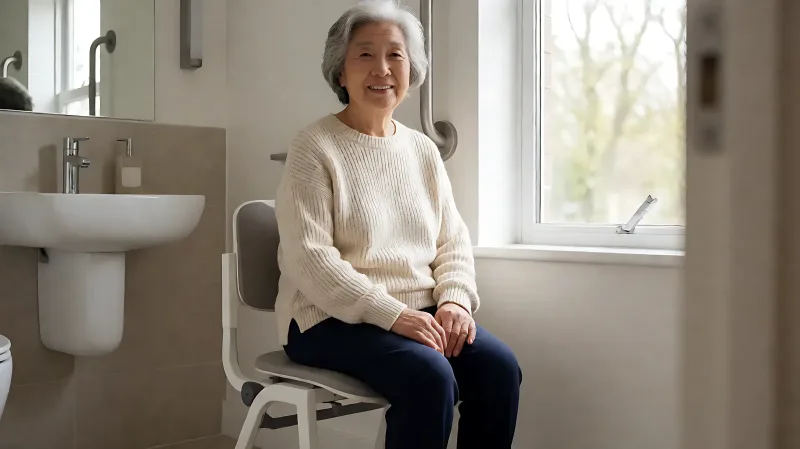
- Shower Seating and Equipment Height: Standing for long periods can cause leg fatigue and dizziness. Install a stable shower seat to allow users to sit while bathing. Adjust the height of washbasins and storage units to reduce the need for excessive bending. For example, place frequently used items within an arm's reach of the seated position.
- Lighting and Emergency Call Systems: Poor visibility at night increases fall risk. Install motion-sensor lights that activate automatically when the bathroom door opens. Ensure the light is bright enough to clearly see the floor level. Consider adding a waterproof emergency call button or a wearable alert device linked to caregivers, allowing for rapid response in case of a fall.
Implementation Costs and Timing
It is highly recommended to incorporate these safety features during the initial renovation or when the bathroom is already being modified. Installing structural elements like pre-embedded handrail backplates, zero-threshold floors, and specific drainage slopes is far cheaper and less disruptive at the construction phase than retrofitting them later. A comprehensive retrofit can range from $3,000 to $15,000 depending on the scope, whereas minor additions like a drainage gradient or a handrail may cost significantly less. This upfront investment is often a fraction of the medical and care costs associated with a severe fall.
For those looking to enhance the overall living environment, consider pairing these safety measures with broader accessibility improvements. For instance, reviewing Residential Entrance Accessibility: Design Standards and Practical Implementation can help ensure the path leading to the bathroom is equally safe and accessible. Additionally, maintaining a Senior Home Safety Guide: Slip-Proofing, Lighting, and Grab Bars mindset throughout the entire home creates a cohesive safety net.
Frequently Asked Questions
What is the recommended slip resistance rating for bathroom tiles?
For senior-friendly bathrooms, it is recommended to use tiles with a slip resistance rating of R11 to R12 for the shower area. The dry zone should be at least R10. Matte or textured surfaces are preferred over glossy finishes.
Can I use anti-slip mats instead of re-tile-ing the floor?
Yes. Hydrophobic anti-slip mats or tiles made of durable PVC/EVA are a valid alternative. They are easy to clean, provide good traction, and can be interlocked for installation. However, they are a maintenance solution; a proper drainage slope and anti-slip flooring are more effective for long-term safety.
How should I install handrails in the shower?
Handrails must be anchored into solid walls or reinforced backplates, not just into hollow ceramic tiles. They should be at a comfortable height (usually 70-80 cm) and capable of withstanding significant force. L-shaped or flip-up designs are best for toilet access, while vertical bars are useful for shower entry.
Why is lighting important in fall prevention?
Most falls occur at night or in low-light conditions. Motion-sensor lighting ensures the bathroom is illuminated the moment the user enters, allowing them to see obstacles, step over thresholds, and locate the toilet or shower safely without fumbling for switches.
How much does a complete bathroom safety renovation cost?
A full renovation involving new tiles, drainage work, handrails, and lighting typically ranges from $3,000 to $15,000. Minor retrofits, such as installing a mat or adding a single handrail, can be done for a few hundred to a few thousand dollars. Doing these works during a general renovation is the most cost-effective approach.
Key Takeaway
Preventing falls in the bathroom is about removing the source of danger. By combining proper anti-slip flooring, effective wet-dry separation, supportive handrails, accessible seating, and smart lighting, you create a safe environment that supports independence and significantly reduces the risk of injury for seniors and all family members.