How to Make a Shower Slip-Resistant: 5 Safe Strategies
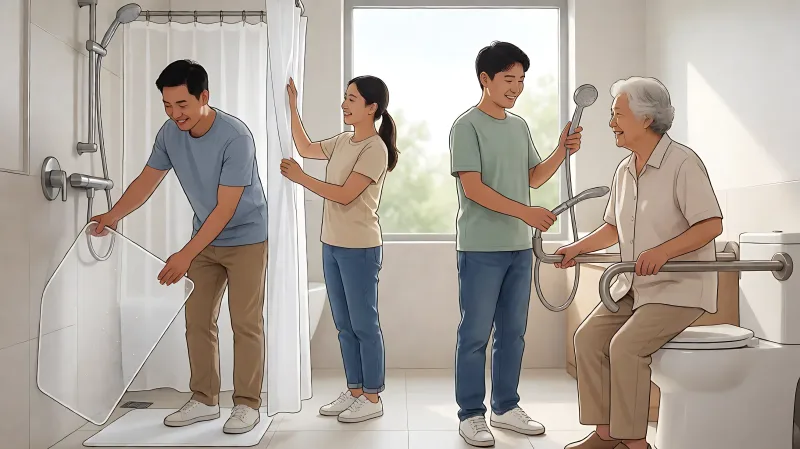
Why Shower Slip-Resistance Matters for Family SafetySlippery shower surfaces are one of the leading causes of home accidents, with statistics indicating that falls in the bathroom account for a signif
Why Shower Slip-Resistance Matters for Family Safety
Slippery shower surfaces are one of the leading causes of home accidents, with statistics indicating that falls in the bathroom account for a significant portion of injuries, particularly among older adults. As noted in recent home safety analyses, over 65% of slip-related bathroom incidents involve seniors. For households with children or elderly family members, treating the shower area as a high-risk zone and implementing proactive safety measures is essential. This guide outlines five evidence-based methods to enhance traction, optimize drainage, and add ergonomic supports, aligning with modern residential safety standards like China's Ministry of Housing and Urban-Rural Development guidelines for new homes.
How can I choose the best slip-resistant materials for my shower floor?
The foundation of a safe shower lies in selecting materials with a high coefficient of friction. Look for tiles that meet or exceed a static coefficient of friction of 0.5, as recommended by standard GB/T 4100-2015.
- Matte or Litchi-Finish Porcelain: These textured surfaces provide superior grip compared to glossy tiles, even when wet.
- Anti-Slip PVC Mats: For already-tiled spaces, high-quality PVC mats are a non-invasive option. Ensure you remove and wash them weekly to prevent mold and bacterial buildup.
- Etched Stone or Wood: For premium renovations, stone floors treated with acid-etching or grooved, waterproof-grade (W4) wood decking offer excellent water channeling and long-term durability.
What details can I adjust to improve overall shower safety?
Material selection is only one component; systemic adjustments to the shower's infrastructure and fixtures significantly reduce the risk of loss of balance.
- Thermostatic Shower Heads: Install a thermostatic mixing valve preset to 38–40°C to prevent sudden temperature shocks that can cause disorientation or slippage.
- Strategic Drainage: A floor slope of 1% to 2% ensures rapid water flow. Long, linear drains drain approximately 40% faster than traditional round drains, keeping the floor drier.
- Proper Handrail Placement: When installing L-shaped handrails, ensure the mounting depth into the wall is at least 8 cm and place them between 80 and 110 cm from the floor for optimal user support.
How do smart technology and behavioral habits prevent bathroom falls?
Integrating technology and simple daily habits creates a "three-tier" defense system: structural, active, and behavioral. Emerging smart systems use humidity sensors to trigger floor heating or warm-air blowers, reducing surface moisture to safe levels within three minutes—a highly effective solution for regions with high humidity. Beyond technology, consistent habits are crucial. Always use non-slip shower shoes, maintain visible anti-slip warning decals on the floor, and conduct regular maintenance by checking tile wear and replacing degraded mats. As highlighted in the new MZ/T 218-2024 standard for elderly-friendly renovations, home modifications should focus heavily on accessible design and safe environmental monitoring.
Frequently Asked Questions
How often should I check the condition of my shower floor for slip hazards?
You should inspect your shower floor for wear, cracked tiles, or lifting mats at least once a month. For households with multiple generations, a quarterly deep-cleaning and anti-slip treatment of the floor surface is recommended to ensure the material's grip does not degrade over time.
Are textured shower mats safe for people with mobility issues?
Yes, provided they are made of non-porous materials like solid PVC and are properly secured with strong, non-toxic adhesives. Avoid loop-style mats, as they can tangle with walkers or crutches and pose a tripping hazard.
What is the ideal water temperature to prevent bathroom falls?
Set your thermostatic valve to approximately 38–40°C. This temperature range is warm enough to be comfortable but prevents the sudden muscle spasms and dizziness that can occur when hot and cold water mix unpredictably.
Can I install a smart floor-heating system in an older home?
Yes, but it requires a licensed professional. Modern underfloor heating mats can be installed over existing subfloors, but you must ensure your home's electrical system can handle the added load and that the tile adhesive used is compatible with heated surfaces.
Does the slope of the shower floor matter for safety?
Absolutely. A 1% to 2% slope is critical. If the floor is too flat, standing water pools and increases the risk of slipping. If it is too steep, water may drain too quickly out of the glass enclosure, leading to leaks and potential mold on adjacent walls.
Key Takeaway
A safe shower space is built on a combination of structural integrity, smart materials, and consistent maintenance. By prioritizing high-friction materials, optimizing the drainage slope, and integrating smart environmental controls, you create a multi-layered safety system that actively prevents falls.
References
- Fang.com: Slip-Resistance Treatments for Shower Rooms
- MZ/T 218: The New Standard for Elderly-Friendly Home Renovations
- How Smart Technology Monitors Health & Safety for Seniors