Pet Friendly Home Design: Senior Mobility Tips
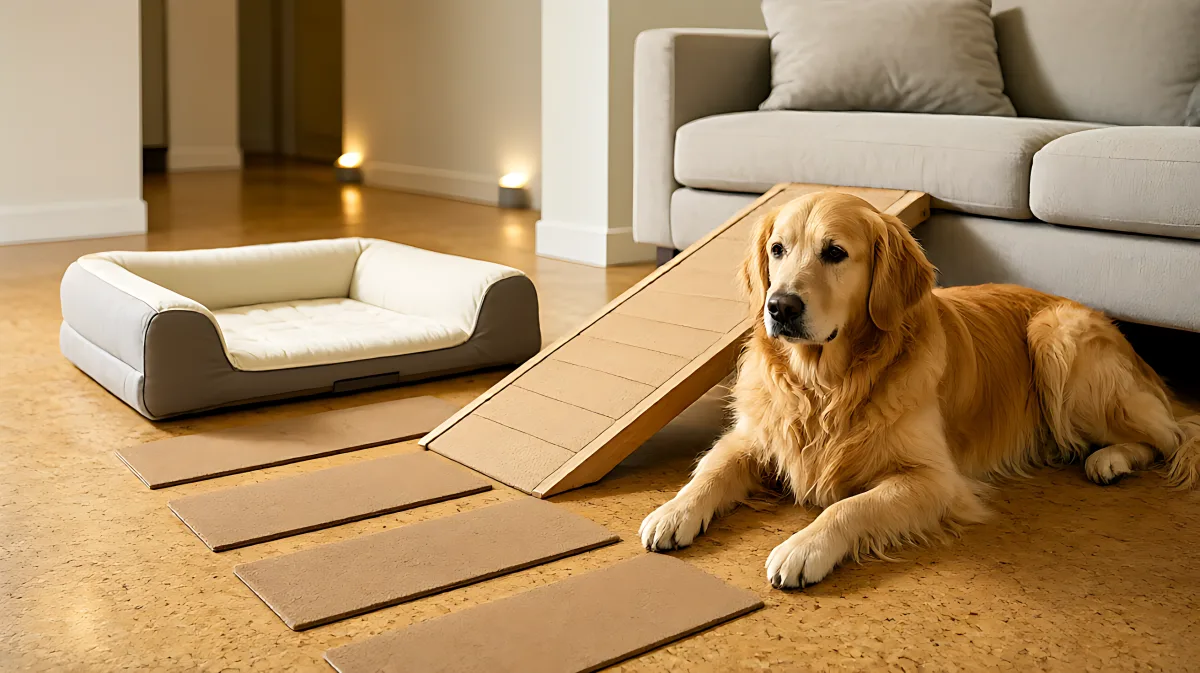
As pets age, their mobility and sensory abilities decline. Discover how to adapt your home with non-slip flooring, ramps, and consistent lighting to support their comfort and independence.
Designing a home for an aging pet requires prioritizing mobility, sensory support, and safety to prevent injuries and reduce stress. By installing non-slip flooring, creating accessible pathways with ramps, and maintaining a consistent layout, owners can help senior dogs and cats navigate their environment with confidence and comfort.
Why Home Layout Matters for Mobility
As pets enter their senior years, conditions such as arthritis, hip dysplasia, and muscle loss make simple tasks like turning or jumping painful. Many families assume that their pet will simply adapt to the existing home, but in fact, small environmental changes can significantly reduce pain and improve independence. A 2025 study referenced by the American Heart Association indicates that pet owners who engage in consistent care routines often experience lower blood pressure and reduced stress levels, highlighting the reciprocal health benefits of a well-managed home environment.
How Can You Improve Traction on Floors?
Slippery surfaces are a leading cause of falls in pets with joint issues. To address this, owners should install non-slip rugs or interlocking foam mats in high-traffic areas. Textured vinyl, cork, and rubber flooring are excellent alternatives to polished tile or hard wood because they provide natural grip. For existing hard floors, double-sided tape can secure area rugs to prevent sliding, ensuring that pets have secure footing when moving between rooms.
What Design Features Support Aging Joints?
Jumping onto furniture or into cars can aggravate inflamed joints. Instead of expecting pets to jump, install ramps with a gentle incline and non-slip surfaces. For cats, low-entry litter boxes remove the need to climb high-sided trays. Raised feeders can also help reduce neck strain for older dogs, allowing them to eat and drink without bending their heads too far down.
Should You Use Orthopedic Bedding?
Yes. Providing multiple rest areas throughout the home is crucial for mobility-impaired pets. Orthopedic or memory foam beds offer firm yet supportive cushioning that helps distribute weight and reduce pressure on arthritic joints. Place these beds in draft-free, quiet corners to ensure undisturbed rest. Heated pads can be added for extra warmth, but they must be vet-approved to prevent burns.
How Does Lighting Affect Sensory Navigation?
Vision loss, such as cataracts or retinal degeneration, makes it difficult for pets to locate their way around the house. Good lighting is not just a convenience; it is a safety tool. Install motion-activated night lights in hallways and near doorways. Use contrasting colors for beds, bowls, and mats so they stand out against the floor. Keeping furniture in consistent positions allows pets to rely on their mental map and memory, reducing anxiety caused by unfamiliar obstacles.
What Is the Best Way to Manage Stairs and Heights?
Stairs present a significant fall risk for senior pets. When unsupervised, block access to staircases using sturdy gates or barriers. If stairs are unavoidable, provide pet-specific stair climbers or ramps. For multi-level homes, centralizing daily needs—such as food, water, and the litter box—on the main floor can eliminate the need for a pet to climb stairs multiple times a day.
Common Mistakes in Pet-Friendly Design
Many owners make the mistake of using strong scents or constantly rearranging furniture. Strong chemical fragrances from cleaning products can be overwhelming for pets with sensitive hearing or vision, so it is best to use unscented cleaners and ensure good ventilation. Moving furniture frequently disorients aging pets, who rely on visual and spatial cues to navigate. Maintaining a predictable layout is essential for reducing cognitive stress.
A Step-by-Step Guide to Auditing Your Home
Conduct a safety audit by following this checklist to identify and fix potential hazards:
- Flooring: Add non-slip mats or rugs to slippery areas like kitchens and hallways.
- Access Aids: Install ramps for sofas, beds, and cars; provide low-entry litter boxes for cats.
- Lighting: Place night lights in dark corners and ensure key pathways are well-lit.
- Clutter Control: Remove loose cords, small objects, and trip hazards from walking paths.
- Rest Zones: Set up multiple comfortable, warm bedding spots throughout the home.
- Safety Barriers: Use gates to block access to stairs or hazardous rooms when the pet is alone.
How Can You Reduce Stress and Improve Mental Health?
Cognitive decline and sensory loss can lead to anxiety and confusion. Create a calm environment by using soft background music or white noise to mask sudden, startling sounds. Incorporate familiar scents, such as the pet's own bedding or a worn shirt with the owner's smell, to provide comfort. Gentle, consistent routines for feeding and medication help reinforce a sense of security and predictability.
FAQ
What are the best flooring materials for pets with arthritis?
Rubber, cork, and textured vinyl are ideal because they provide grip and cushioning. These materials are easier on joints than hard tile or slick hardwood and reduce the risk of slipping.
How many ramps do I need for my senior cat?
Provide at least one ramp for each elevated spot your cat frequently uses, such as a window perch or a favorite shelf. Low-entry litter boxes should be placed on the ground to eliminate the need for jumping.
Does changing the furniture layout confuse older pets?
Yes, sudden rearrangements can cause significant disorientation. Pets with vision loss rely on memory and spatial mapping. Keep the layout consistent and make changes gradually if necessary.
Are heated beds safe for pets with mobility issues?
Yes, provided they are vet-approved and have automatic shut-off features. Heated beds can relieve pain associated with arthritis, but they should never be placed near areas where the pet might chew on electrical cords.