Raised Garden Beds Guide: Soil, Layout & Planting
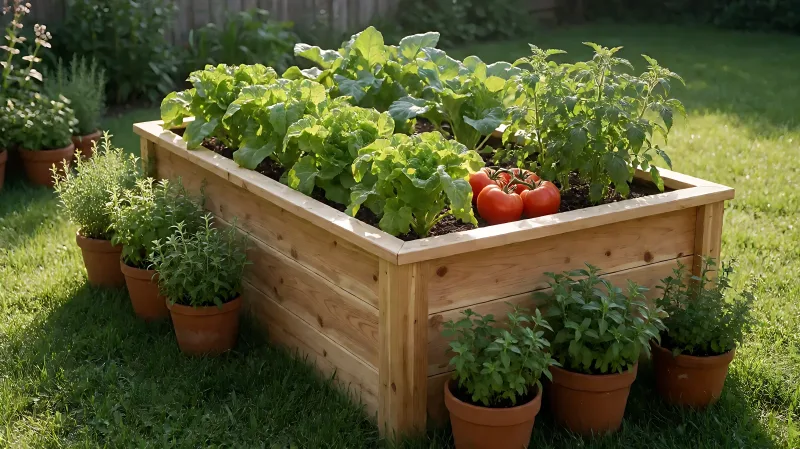
Discover how to build and maintain raised garden beds for better soil health, easier access, and higher vegetable yields throughout the year.
Raised garden beds improve soil quality and ease physical strain for gardeners. They allow you to grow vegetables in controlled, nutrient-rich environments. Proper setup ensures better drainage and plant health.
For more information, see NC State Extension home vegetable gardening guide from NC State Extension.
Why Choose a Raised Garden Bed?
Raised beds offer significant advantages over traditional in-ground plots. The U.S. Department of Agriculture notes that better soil aeration in these beds supports stronger root systems. Elevated planting also reduces back strain, making gardening accessible for older adults or those with mobility issues. The structure contains soil, preventing it from washing away during heavy rains. This containment helps retain moisture and nutrients where plants need them most.
From a pest control perspective, the physical barrier of the bed sides can deter ground-dwelling pests like rabbits and certain beetles. While it may not stop airborne insects, the elevated soil temperature allows for earlier spring planting in many zones. This head start can extend the growing season and increase crop yields.
How Do I Plan the Layout and Size?
Choosing the right location is critical for success. Most vegetables require six to eight hours of direct sunlight daily. Observe your yard at different times to find the sunniest spot. Ensure the ground is level to prevent water pooling on one side. Proximity to a water source simplifies maintenance and harvest.
For sizing, keep the width between 3 and 4 feet. This dimension allows you to reach the center of the bed without stepping on the soil. Stepping on soil compacts it, which harms root growth. If space is limited, L-shaped or tiered designs maximize growing area. For depth, standard vegetables need 6 to 12 inches of soil. Deep-rooted crops like carrots or potatoes benefit from beds that are 18 to 24 inches deep.
What Is the Best Soil Mix for Raised Beds?
The soil composition is the foundation of a healthy garden. A common recommended mix combines equal parts topsoil, compost, and coarse sand or perlite. This blend provides nutrients, structure, and drainage. According to extension services associated with land-grant universities, adding organic matter like compost improves microbial activity in the soil. This activity helps break down nutrients for plants to absorb.
Avoid using yard soil that may contain herbicide residues, which can kill sensitive vegetables. If using local soil, test it for pH levels. Most vegetables thrive in slightly acidic to neutral soil, typically between 6.0 and 7.0. Add lime to raise pH or sulfur to lower it if tests indicate imbalance. Layering gravel or crushed stone at the bottom of the bed can further enhance drainage, though it is not strictly necessary if the soil mix is well-calibrated.
When Should I Plant My Raised Bed?
Seasonal timing depends on your local climate zone. In the U.S., the USDA has defined 11 primary hardiness zones. Consult your specific zone map to determine your last frost date. Planting cool-season crops like lettuce, peas, and spinach can begin two to four weeks before the last frost. Warm-season crops like tomatoes, peppers, and beans should be planted after the soil temperature consistently stays above 50 degrees Fahrenheit.
For fall planting, start root vegetables and brassicas in mid-summer to harvest before the first frost. Raised beds often heat up faster in spring, allowing for early sowing. Monitor local forecasts and protect tender seedlings with row covers if a late cold snap is predicted. In autumn, cover unused beds with plastic or straw to prevent soil erosion and retain moisture through the winter.
How Do I Maintain My Garden Bed Year-Round?
Maintenance keeps the garden productive and healthy. Water deeply and consistently, ideally in the morning to reduce evaporation. Mulching with straw or leaves helps retain moisture and suppress weeds. Rotate crops annually to prevent soil-borne diseases and pests from building up in one area. For example, move tomato plants to a different bed section each year.
At the end of the season, remove plant debris to prevent overwintering pests. This is particularly important if you notice signs of blight or rot. Add a fresh layer of compost in late winter to replenish nutrients. Check the integrity of the wooden frame annually for signs of decay or damage. Replacing damaged boards promptly ensures the structure remains secure.
What are the benefits of raised beds for senior gardeners?
Raised beds reduce the need for bending and kneeling, lowering the risk of injury. The elevated height makes it easier to sit on the edge while weeding or harvesting. This accessibility promotes regular physical activity and mental health through gardening.
Can I build a raised bed on a patio or concrete?
Yes, you can build a bed on hard surfaces. You must ensure the bottom is solid to hold the soil mix. Drill drainage holes in the bottom of the frame to prevent water pooling. These beds are ideal for small spaces where soil access is limited.
How long do wooden raised beds last?
Durable woods like cedar and redwood can last 15 to 20 years. Pressure-treated lumber lasts longer but must be rated safe for food gardens. Regular inspection and replacement of rotted sections extend the life of the structure.
Do raised beds need drainage holes?
Not necessarily if built on soil with good drainage. However, on impermeable surfaces, holes are essential to prevent waterlogging. The soil mix itself should be well-draining to accommodate excess water.
What should I avoid putting in raised beds?
Avoid untreated wood from unknown sources, as it may contain harmful chemicals. Do not use railroad ties, which are often treated with creosote. Stick to certified organic or rot-resistant wood for safety.