Low-Maintenance Container Gardens for Older Adults in 2026
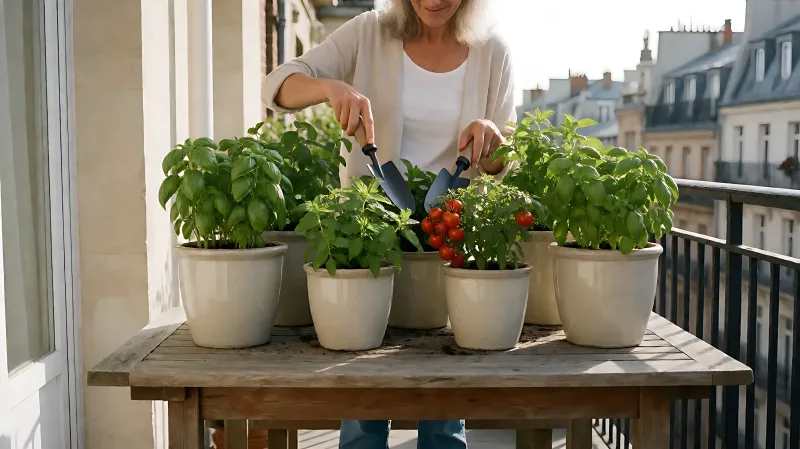
Growing fresh herbs and vegetables on a balcony does not have to be exhausting. Here is a practical guide to selecting low-maintenance plants and using tools that reduce physical strain for older adults.
You can create a vibrant, productive balcony garden with minimal physical effort by choosing large, lightweight containers and planting hardy, self-sustaining herbs and vegetables. For older adults and anyone seeking a low-maintenance hobby, the key is to prioritize accessibility over complexity. By placing plants at waist height and selecting varieties that thrive with moderate care, you can enjoy the therapeutic benefits of gardening without the strain of heavy lifting or constant upkeep. This approach turns a simple balcony into a source of fresh nutrition and mental relaxation.
For more information, see NIA gardening resources from the National Institute on Aging.
Why Container Gardening Is Ideal for Seniors and Small Spaces
Container gardening removes the physical barriers associated with traditional ground-level farming. For older adults, back pain, arthritis, and limited mobility can make bending and kneeling difficult. By growing plants in pots, you keep all tasks within a comfortable standing or seated range. The National Gardening Association has highlighted that accessible gardening practices significantly improve quality of life for older populations by providing a gentle, rhythmic activity that promotes balance and fine motor skills. Furthermore, container gardens are highly portable, meaning you can easily move plants indoors during harsh winters or out onto the balcony during the mild spring months, ensuring year-round engagement with nature.
Which Plants Are the Easiest to Grow in Containers?
Selecting the right plants is the most critical step for a low-maintenance garden. You want varieties that are resilient, fast-growing, and resistant to common pests. The following plants are excellent choices for beginners and those with limited time.
- Basil: A fast-growing herb that thrives in full sun. It is highly forgiving of inconsistent watering and can be harvested multiple times before the plant bolts. Pair it with cherry tomatoes on the balcony for instant pasta sauce ingredients.
- Mint: Aggressive but easy. Mint spreads rapidly, so it is best grown in a dedicated pot to prevent it from choking out other plants. It grows well in partial shade, making it ideal for north-facing balconies.
- Cherry Tomatoes: Dwarf varieties like 'Tiny Tim' or 'Tumbling Tom' are perfect for containers. They produce sweet fruit on compact vines that fit well in hanging baskets or large pots. The USDA notes that cherry tomatoes are among the most reliable crops for first-time urban gardeners.
- Green Onions: These can be grown from the green tops of store-bought bunches. Simply trim the roots, place the greens in an inch of soil or water, and they will regrow. This is a zero-waste option that requires almost no care.
- Radishes: A quick-win vegetable. Some varieties are ready to harvest in just 25 days. They prefer cooler temperatures and add a bright color to the pot while you wait for slower crops like tomatoes.
How Do You Choose the Right Containers for Accessibility?
The weight of a container is a major safety and comfort factor. A full standard 10-inch plastic pot can weigh up to 15 pounds when dry, nearly doubling that weight when filled with wet soil and plants. For older adults, lighter materials are essential. Ceramic and terracotta are heavy and prone to breakage; instead, look for lightweight plastic, fabric grow bags, or aluminum containers. Fabric grow bags are particularly popular because they breathe, allowing excess water to evaporate from the sides, which helps prevent root rot. Ensure every container has drainage holes at the bottom. Without drainage, water pools at the base, suffocating the roots and leading to fungal issues. Place a saucer under the pot to catch excess water, but pour it out regularly to avoid standing water on your balcony.
What Is the Best Soil Mix for Balcony Gardens?
Do not use garden soil from your backyard in containers. Garden soil is too dense and compacts easily when confined to a pot, which can crush delicate roots. You need a potting mix specifically formulated for containers. A standard potting mix should contain peat moss, bark, and perlite or vermiculite to ensure aeration and drainage. For vegetables, you may want to add a slow-release organic fertilizer to the mix at planting time. This provides a steady stream of nutrients over several months, reducing the need for frequent liquid feeding. The University of California Agriculture and Natural Resources extension recommends using a balanced blend to ensure container plants have access to essential nitrogen, phosphorus, and potassium without the risk of burn.
How Can You Water and Maintain Plants Without Exhaustion?
Watering is the most frequent task in container gardening, but it does not have to be strenuous. Containers dry out faster than in-ground plants because the soil is exposed on all sides. A simple test is to stick your finger two inches into the soil; if it is dry, it is time to water. To save effort, water in the early morning when the sun is not yet intense, which reduces evaporation. Consider using a long-spout watering can to reach plants easily without bending over. For a more hands-off approach, self-watering containers or drip irrigation systems can be installed. These systems provide a consistent amount of water, which is crucial for herbs like mint that do not like to dry out completely but dislike sitting in soggy soil. The Consumer Product Safety Commission advises that when installing any electrical irrigation component, ensure it is rated for outdoor use and keep all wiring away from water sources to prevent accidents.
Where Should You Place Your Plants on the Balcony?
Light is the fuel for your garden. Most vegetables and herbs require at least six to eight hours of direct sunlight daily to produce a good harvest. Observe your balcony throughout the day to identify the sunny spots. East-facing balconies get morning sun, which is gentle and good for leafy greens, while south-facing balconies receive intense afternoon heat, which is perfect for tomatoes and peppers. If your balcony is in shade, focus on shade-tolerant greens like lettuce, spinach, or parsley. When placing containers, arrange them by height. Tall plants like tomatoes should go in the back or on higher shelves, while shorter herbs like basil and oregano should be in the front. This prevents the tall plants from blocking the sunlight needed by the shorter ones.
What Are Ergonomic Tips to Protect Your Joints?
Gardening can be low-impact, but it can also cause strain if done improperly. Invest in ergonomic tools with soft-grip handles that reduce pressure on the wrists. A long-handled cultivator is useful for weeding and loosening soil without bending at the waist. When planting, use a wide, stable pot on a high table or a dedicated potting bench to keep the work at elbow height. This eliminates the need to hunch over a pot on the floor. Additionally, take frequent breaks. If you feel stiffness, stop and stretch. Gardening should be a relaxing hobby, not a source of physical pain. The American Geriatrics Society suggests that gentle, repetitive movements involved in potting and weeding can actually help maintain joint flexibility and muscle strength in older adults, provided the activity is performed comfortably and without overexertion.
FAQ: Low-Maintenance Balcony Gardening
How often do I need to fertilize container vegetables?
Container soil depletes nutrients faster than garden soil. Feed your vegetables with a balanced, water-soluble fertilizer every two to three weeks during the growing season. However, if you use a potting mix with built-in slow-release fertilizer at the start, you may only need to supplement once or twice a month. Always follow the instructions on the fertilizer package to avoid over-fertilizing, which can burn the roots.
Can I grow flowers and vegetables in the same pot?
Yes, this is known as companion planting. Flowers like marigolds are believed to deter nematodes and other pests when planted near vegetables. A few marigold blooms in the corner of a tomato pot add color and may help repel insects. However, ensure the flowers do not take up so much space that the vegetables lack room to grow. Use small-pot flowers for this purpose.
What is the best time of year to start a balcony garden?
Spring is the ideal time to start a container garden. The temperatures are mild, and the soil warms up quickly, encouraging seed germination. In cooler climates, start seeds indoors six to eight weeks before the last expected frost date, then transplant the seedlings into containers on your balcony after the danger of frost has passed. This ensures your plants have a strong start before the heat of summer arrives.