Adaptive Gardening for Seniors: Raised Beds & Tools
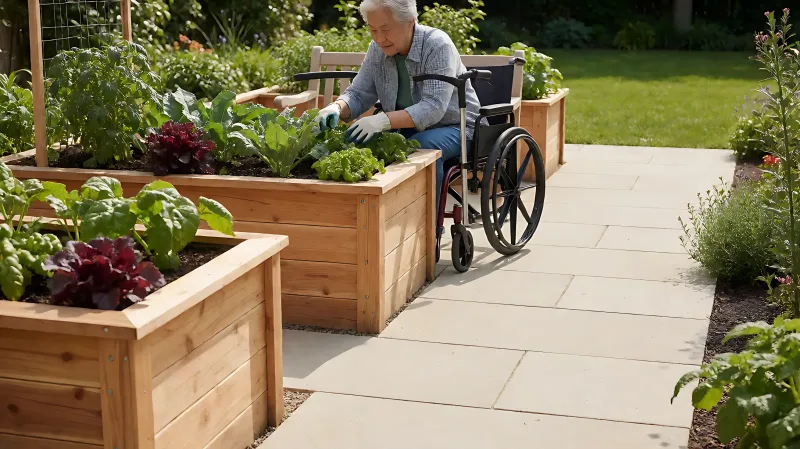
Gardening remains a vital source of joy and physical activity for older adults, but joint pain and mobility issues can make it difficult. By implementing raised beds, choosing ergonomic tools, and designing accessible pathways, seniors can maintain their connection with nature safely and comfortably without risking injury.
Raised beds set 24 to 30 inches high, combined with ergonomic tools featuring padded grips, allow seniors to garden with minimal strain on their knees and back. By designing wide pathways and incorporating rest areas, older adults can maintain a physical activity routine that supports mental well-being and reduces the risk of falls.
For more information, see NIA healthy aging resources from the National Institute on Aging.
Why adaptive gardening matters for senior health
Regular physical activity is crucial for maintaining independence and cognitive health in older age. The National Institute on Aging suggests that moderate physical activity, such as gardening, can lower the risk of chronic diseases and improve balance. However, traditional gardening often involves repetitive bending and lifting, which can aggravate arthritis and joint pain. Adaptive gardening focuses on modifying the environment and equipment to ensure these benefits are accessible without causing injury.
How does gardening support mental well-being?
Engaging with plants and green spaces has been linked to reduced stress and anxiety. For seniors, a garden provides a sense of purpose and social connection, especially when shared with neighbors or family. The US Department of Agriculture notes that access to fresh produce grown in home gardens can also improve dietary quality for older adults, supporting overall nutrition.
What are the key features of accessible garden design
The foundation of an accessible garden lies in its layout. Paths should be at least 3 feet wide to accommodate wheelchairs or walkers. Surfaces must be firm and non-slip; porous concrete or stabilized gravel is preferable to loose dirt, which can become muddy and unstable. The Consumer Product Safety Commission recommends removing trip hazards like tree roots or uneven soil to prevent falls.
How high should raised beds be for comfort
To allow gardening from a standing or seated position, raised beds should be built between 24 and 30 inches tall. The width of the bed should not exceed 3 feet, ensuring that a person can reach the center of the bed from the path without overextending their arms. For wheelchair users, the height of the bed should align with the seat height of the chair, typically around 18 to 20 inches.
Which ergonomic tools reduce hand strain
Standard garden tools are often designed for maximum strength and may be too heavy for those with limited grip strength. Ergonomic tools feature curved handles, lightweight materials like aluminum, and padded grips that reduce pressure on joints.
- Long-handled tools: Rakes and shovels with extended handles allow users to work from a standing position, protecting the back.
- Ratchet pruners: These tools use a mechanism that requires less hand force to cut branches, making them ideal for seniors with arthritis.
- Lightweight loppers: Opt for models made of aluminum rather than steel to reduce hand fatigue during trimming tasks.
Do specific tools help with arthritis?
Yes. Tools with large, easy-to-grip handles and locking mechanisms are specifically designed for individuals with limited mobility. The Arthritis Foundation recommends using tools that do not require a crushing grip. For example, bolt-action trowels allow the user to dig by applying downward pressure on a handle rather than gripping a traditional trowel.
How can you create a rest-friendly garden space
Fatigue management is critical. Incorporate sturdy benches with armrests near planting areas so gardeners can rest quickly. A rolling garden seat is also a useful investment, allowing users to sit while working on beds or containers. Ensure that rest areas are shaded and near water sources to minimize the effort required for hydration and maintenance.
What role does automation play in senior gardening
Installing drip irrigation systems eliminates the need to carry heavy watering cans. Timers can manage the watering schedule, reducing the frequency of physical tasks. Climate control features in greenhouses, such as vents or fans, can maintain a comfortable temperature, preventing heat stress during summer months.
Frequently asked questions about adaptive gardening
Are raised beds safe for individuals with limited mobility
Raised beds are generally very safe when designed correctly. Ensure the structure is sturdy and does not tip over. For wheelchair users, choose beds with an open bottom or a low profile to allow easy access. The American Association of Retired Persons highlights that modified garden spaces can significantly improve quality of life by enabling continued engagement in hobbies.
What is the best material for accessible garden pathways
Porous concrete or interlocking pavers are the best choices. They provide a stable, dry surface that does not shift underfoot. Avoid compacted earth or loose mulch on paths, as these can create uneven terrain that increases the risk of tripping.
How much weight can a senior comfortably lift while gardening
The National Institute on Aging recommends avoiding heavy lifting when possible. If lifting is necessary, use mechanical aids like wheelbarrows with large wheels or carts designed for senior mobility. Split heavy soil amendments into smaller bags that are easier to handle.