Why Basil Helps Tomatoes: Science Behind Pest Control
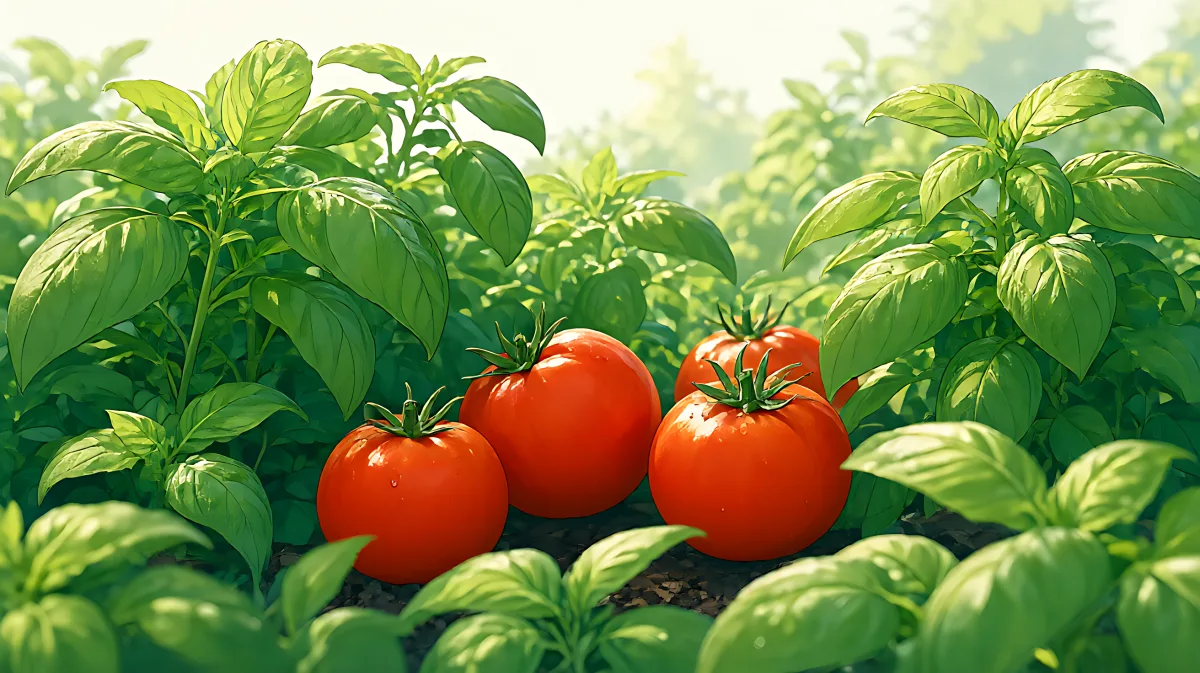
Basil acts as a natural shield for tomatoes by confusing pests with its scent. Learn the science behind this pairing and how to set it up correctly in your garden.
Planting basil next to tomatoes effectively reduces pest pressure by releasing volatile organic compounds that confuse insects looking for host plants. This natural barrier helps deter aphids, whiteflies, and hornworms without synthetic chemicals. Research confirms that basil also primes tomato plants' defense genes, making them more resistant to damage and potentially boosting overall yield by up to 20% compared to isolated crops.
How Does Basil Repel Common Tomato Pests?
Insects do not find their food by sight; they rely heavily on smell to navigate your garden. Tomatoes broadcast a specific chemical signature that signals their presence to pests. Basil acts as a kind of olfactory jammer. It produces a heavy cloud of aromatic molecules, including linalool, eugenol, and methyl chavicol. These strong scents disrupt the sensory systems of pests like aphids and spider mites, making it difficult for them to locate and land on the tomato foliage. By creating this chemical confusion, basil significantly lowers the risk of infestations that can stunt growth or transmit viruses.
What Is the "Priming Effect" on Tomato Plants?
Beyond simply repelling insects, basil actively strengthens the tomato plant itself. A peer-reviewed study published in Plant Cell Reports found that tomato plants grown near basil show a faster and stronger activation of the Pin2 gene, which responds to mechanical wounding. Essentially, the presence of basil puts the tomato on high alert. The plant becomes more prepared to fight back against insect damage or physical stress. This biological alarm system means that even if a pest does bite a leaf, the tomato can respond more aggressively to defend itself, resulting in healthier foliage and stronger stems.
What Are the Practical Benefits for Garden Yield?
Many families assume that basil is planted next to tomatoes solely to improve flavor, but in fact, the most significant measured benefits are related to growth vigor and pest resistance. Research from West Virginia University indicates that intercropping basil with tomatoes can increase combined crop yields by up to 20%. The pairing creates a microclimate where the low-growing basil shades the soil, reducing moisture loss and keeping roots cool. This living mulch effect supports robust root development. Furthermore, studies suggest that mixed planting with basil may enhance the presence of beneficial mycorrhizal fungi in the soil, which helps tomatoes absorb water and nutrients more efficiently, particularly during dry spells.
Does Basil Compete With Tomatoes for Nutrients?
Basil and tomatoes share similar care requirements, both preferring full sun and well-drained soil with a pH between 6.0 and 7.0. However, basil is a relatively light feeder compared to the heavy nutrient needs of indeterminate tomato varieties. When spaced correctly, they do not compete aggressively for resources. In fact, the structural presence of tomato plants can offer light afternoon shade to basil, protecting it from scorching heat and extending its productive season. This mutual support makes the pairing efficient for space-limited gardeners who want to maximize output per square foot.
How Should You Space Basil and Tomatoes Correctly?
To maximize the chemical signaling benefits while ensuring healthy growth, precise spacing is critical. You want the scent to reach the tomato but not have the plants crowd each other, which invites fungal diseases like blight. Follow this checklist for optimal setup:
- Distance: Plant basil 12 to 18 inches (30 to 45 cm) away from the tomato stem. This is close enough for volatiles to diffuse but far enough for airflow.
- Timing: Transplant tomatoes first. Wait until they have established several sets of true leaves before adding basil. This prevents the fast-growing tomato from overshadowing the young herb.
- Quantity: Limit yourself to two or three basil plants per tomato plant. Overplanting can lead to resource competition and increased humidity levels that favor mold.
- Variety: Choose compact varieties like Genovese or Thai basil. Tall, leggy varieties can block sunlight needed by the lower tomato fruits.
Common Mistakes When Pairing These Plants
One frequent error is placing basil directly against the main tomato stem. This restricts airflow and traps humidity, creating an ideal environment for powdery mildew and early blight. Always leave a few inches of clear space around the tomato base. Another mistake is letting the basil flower. Once basil blooms, its leaves turn bitter, and the plant shifts energy to seed production rather than leafy growth, which reduces its aromatic output and pest-repelling efficacy. Regularly pinch off flower buds to keep the plant bushy and productive throughout the season.
Is This Effective in Container Gardening?
Yes, you can replicate these benefits in pots. While the root zones are separate, the airborne volatile compounds still travel between containers if they are placed close together. Keeping a pot of basil near a pot of tomatoes on a patio or balcony still provides the scent barrier that deters flying pests. Ensure the containers have adequate drainage, as both plants suffer in waterlogged soil.
Frequently Asked Questions
Will basil actually make my tomatoes taste better?
Many gardeners report sweeter flavors when tomatoes are grown with basil, but Texas A&M AgriLife Extension confirms that there is no measured flavor change attributable to the basil. The benefits are primarily related to pest deterrence, plant vigor, and growth rate rather than sugar content or taste profile.
How many basil plants do I need per tomato?
You generally need two to three basil plants for each tomato plant. This creates a strong enough chemical cloud to confuse pests without creating excessive crowding that would limit light and air circulation for the tomato crop.
Can I grow tall basil varieties next to tomatoes?
Tall basil can shade the tomato plants, which may reduce fruit production on lower branches. It is best to select dwarf or compact varieties for companion planting to ensure the tomatoes receive the full six to eight hours of direct sunlight they require daily.
Does this method replace all other pest control?
While basil significantly reduces pressure from specific pests like aphids and hornworms, it is not a complete replacement for all integrated pest management strategies. For severe infestations or disease outbreaks, additional measures may still be necessary, but basil provides a strong first-line defense.