How To Garden With Arthritis: Tips For Seniors
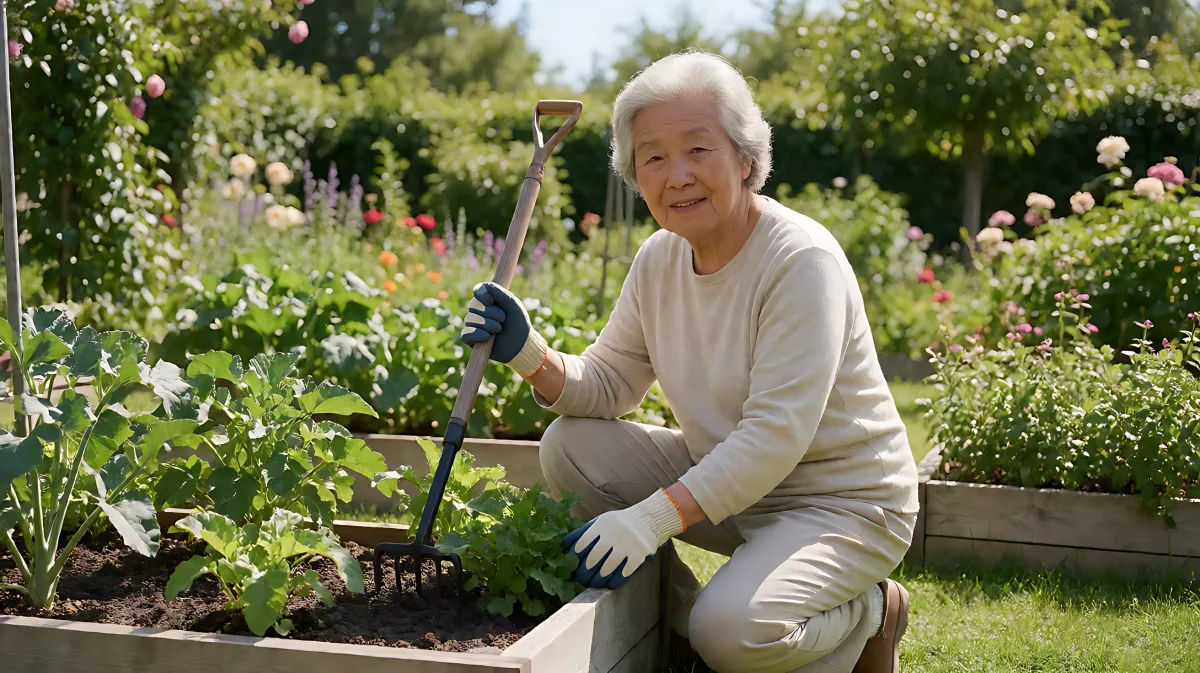
Arthritis doesn't have to end your gardening days. Learn how to adapt your techniques, choose the right tools, and design accessible beds to garden comfortably and pain-free.
Arthritis does not have to stop your gardening. By adjusting your technique, using adaptive tools, and modifying your garden layout, you can reduce joint pain and keep growing plants. The key is to work smarter, not harder, focusing on raised beds and ergonomic equipment to protect your joints.
How do I adapt my gardening technique to protect my joints?
Many seniors assume that arthritis means they must stop gardening entirely, but in fact, the activity can still be beneficial if modified to reduce strain. Arthritis Australia and the Arthritis Foundation recommend pacing yourself and changing how you move within the garden. Instead of pushing through pain, listen to your body and stop before discomfort becomes severe. Working in shorter sessions of twenty to thirty minutes, followed by a rest, often yields better results than one long, exhausting haul. This approach prevents flare-ups and allows you to maintain the habit without damaging your mobility.
It is crucial to identify which joints are most affected. If your hands are stiff, look for tools with larger, padded handles that do not require a tight grip. If your knees or hips are problematic, avoid kneeling and bending by raising your working height. Even the way you hold a tool matters; keeping elbows close to your body and maintaining a neutral spine can significantly reduce stress on your back and shoulders.
Which tools make gardening easier on arthritic hands?
The right equipment can transform a painful task into a manageable one. Standard garden tools often have narrow handles that force you to grip tightly, which is tough on arthritic fingers. Instead, opt for ergonomic alternatives that reduce the force required for cutting and digging.
- Spring-loaded and ratcheting pruners: These tools require less hand strength and provide more cutting power with less effort.
- Long-handled weeders: A stand-up weeder with a claw mechanism allows you to remove weeds without bending or kneeling at all.
- Padded, oversized handles: Look for trowels and shovels with thick, comfortable grips that keep your wrist in a neutral position.
- Arthritis-friendly gloves: Choose gloves with gel padding or silicone grips to improve traction and support your joints without bulk.
When selecting tools, do not rely solely on the label. Hold the tool if possible to test the weight and balance. A heavier tool might be easier to control than a light one that wobbles, depending on your specific strength and stability needs.
How can I redesign my garden beds for better accessibility?
Modifying the physical layout of your garden is often more effective than changing your body. Raised beds and elevated containers bring the soil up to a comfortable working height, eliminating the need to stoop. Ideally, these beds should be at least 24 to 30 inches high, allowing you to work while standing or sitting on a stable stool.
Consider the width of your beds as well. Narrow paths and wide beds force you to reach across, straining your back and shoulders. Aim for paths that are at least three feet wide so you can use a wheelbarrow or a garden cart. Placing frequently used tools and supplies near the entrance or on a rolling cart reduces the number of trips you need to make, saving energy for the actual gardening.
What is the best way to manage heavy lifting and watering?
Heavy bags of soil and bulky watering cans are common sources of pain. Rather than buying large, heavy quantities, purchase smaller bags of potting mix or ask for delivery to your door. For moving supplies, use a wheeled garden cart to transport soil, mulch, and harvests. This eliminates the need to carry weight over distances.
Watering can also become difficult when dragging heavy hoses. Consider installing a drip irrigation system or using a lightweight soaker hose. These methods automate the repetitive work of carrying water and allow you to water your plants without lifting or bending. A water wand with a curved neck is also helpful for reaching high plants or hanging baskets without raising your arms above shoulder height.
What mistakes should seniors avoid when gardening with arthritis?
One common misconception is that you must finish all gardening tasks in a single session. Many gardeners feel pressured to weed the entire garden or prune every shrub in one go. This leads to fatigue and pain. Instead, break large jobs into smaller, manageable chunks. If you are pruning, switch to a lighter task like weeding or labeling seeds after a short period. Alternating activities uses different muscle groups and prevents overuse injuries.
Frequently Asked Questions
Is it safe to kneel in the garden if I have knee arthritis?
It depends on your specific symptoms. For many seniors with knee or hip arthritis, kneeling is painful and difficult. Using a padded kneeler that flips over into a seat can help, but if getting up from the ground is difficult, it is better to use raised beds or sit on a stable garden stool throughout the session.
Do I need to buy expensive ergonomic tools to garden comfortably?
No, you do not need to buy a complete set of new tools. Start with the tasks that cause you the most pain. A single long-handled weeder or a pair of spring-loaded pruners can make a huge difference. You can also use simple adapters, such as foam grips, on your existing tools to make them easier to hold.
When is the best time of day to garden with arthritis?
There is no single best time for everyone, as symptoms vary. However, many people with arthritis find that joint stiffness is worst in the morning. It may be more comfortable to garden in the mid-morning or early afternoon when your joints are warmer and more flexible. Avoid the hottest part of the day, as heat can increase fatigue and swelling.