Low-Effort Daily Routines for Seniors
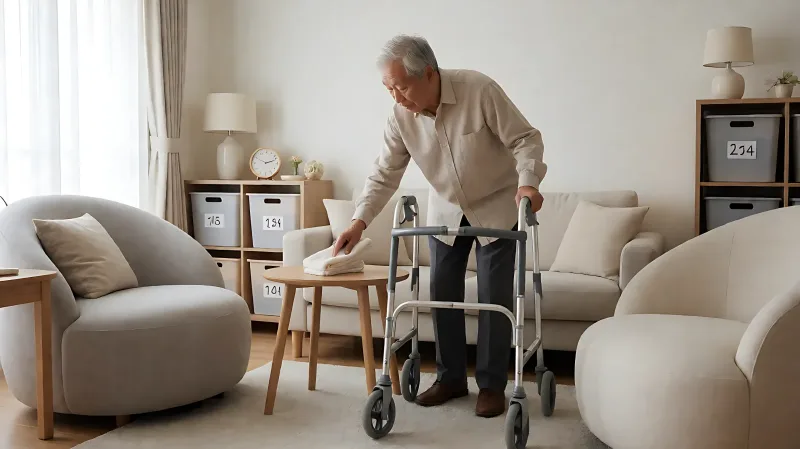
Struggling to keep up with housework? These low-effort daily routines help seniors maintain a safe, organized home without physical strain.
You can maintain a safe, organized home with simple daily habits that take less than 15 minutes. Low-effort routines focus on quick resets, strategic storage, and clear pathways to reduce fall risks. This approach removes physical strain while keeping your living space functional.
For more information, see NIA housework guidance for older adults from the National Institute on Aging.
As you age, your home should support your independence rather than create obstacles. The Centers for Disease Control and Prevention (CDC) notes that nearly half of all fall-related injuries among adults 65 and older happen at home. By keeping floors clear and reducing unnecessary objects, you directly lower these risks. The goal is not a pristine magazine home, but a space where daily tasks like cooking, getting dressed, and cleaning are manageable without fatigue or fear of injury.
How Can You Create a 15-Minute Daily Reset?
You do not need to spend hours cleaning to maintain order. Instead, adopt a "one-touch" principle where you put items away immediately after use. This prevents clutter from accumulating on counters and tables. Set a daily timer for 15 to 30 minutes to complete a quick sweep. Focus on high-traffic areas like the kitchen counter and living room coffee table. Return mail to a single inbox tray and place shoes in a designated entryway bin. This small daily investment prevents the overwhelming backlog that often leads to total avoidance of tidying tasks.
Make the routine easier by keeping cleaning supplies accessible. The National Institute on Aging (NIA) recommends reducing physical strain in older adults by optimizing your environment. Place frequently used items like trash bags, wipes, or a small dusting cloth in a cart or caddy that rolls to where you need them. This eliminates the need to trip across rooms to fetch supplies. By keeping tools within arm's reach, you can tidy surfaces quickly without breaking your momentum.
What Daily Tasks Matter Most for Seniors?
- Clear walkways: Ensure there are no cords, boxes, or shoes on floors where you walk daily.
- Counter sweep: Wipe kitchen and bathroom counters to prevent slip hazards and germ buildup.
- Surface reset: Return items on tables to their proper locations.
- Trash check: Ensure bags are not overflowing, which can attract pests and trip hazards.
Which Storage Strategies Reduce Effort?
Effective storage is the backbone of low-effort maintenance. If an item has a designated home, it is easier to return. Use the "zone" method to group similar items together. Keep all kitchen utensils in one drawer, toiletries in one cabinet, and hobby supplies in one shelf. When items are grouped, you can see at a glance what you have, which stops you from buying duplicates and reduces the clutter pile-ups that often happen in senior households.
For items you use rarely, implement a strict labeling system. The Consumer Product Safety Commission (CPSC) advises that clear labeling reduces cognitive load for older adults, allowing them to navigate their spaces with more confidence. Use a label maker or handwritten labels on clear bins. Store seasonal items like holiday decorations or winter coats in labeled boxes with lids, and keep them in a single location like a garage or basement shelf. This prevents the "forgetting" of items, which is a primary cause of clutter buildup.
Consider vertical storage over low drawers. High-quality shelving systems that reach eye level or above can free up floor space. If you use a walker or wheelchair, ensure these vertical solutions do not create overhead hazards. Use pull-out shelves for cabinets to avoid bending or reaching into dark spaces. This modification makes daily tasks significantly easier and reduces joint stress.
How Do You Handle Sentimental Items?
You may feel attached to objects that take up valuable space. Instead of tossing them, create a dedicated "memory box." Limit this to one box per room or one large trunk in the attic. Choose only a few representative items from each category of memories. This curation process honors your history while keeping the rest of the home functional. It turns clutter into a cherished collection rather than a storage problem.
How Do You Prioritize Safety in Your Routine?
Safety should dictate your organizing efforts. The Centers for Disease Control and Prevention emphasizes that a clear home reduces the risk of falls, which are a leading cause of injury among older adults. Remove loose rugs that slip on hard floors or use non-slip pads under every rug. Secure electrical cords to walls so they do not dangle into walkways. Ensure that pathways between rooms are at least 36 inches wide to allow comfortable movement for those using mobility aids.
Keep frequently used items between shoulder and knee height. This range is easy to access without needing a step stool, which is a common cause of falls. If you need a step stool, choose a sturdy, non-slip model and keep it in one fixed location rather than moving it around the house.
Lighting is a critical part of a safe routine. Ensure that all walkways are well-lit, especially at night. Use motion-sensor lights in hallways and bathrooms. The NIA suggests that adequate lighting can prevent night-time accidents, allowing you to navigate your home with confidence. Pair this with a nightly check of your main exit routes to ensure they are clear before bed.
When Should You Ask for Professional Help?
If your daily tasks still feel overwhelming or you find yourself ignoring rooms because of the fear of starting, it may be time to bring in help. Professional home services for seniors specialize in senior-friendly decluttering and organization. These experts understand the physical limitations and emotional attachments that come with aging. They can handle heavy lifting and provide objective feedback on what to keep. Many organizations, such as local Area Agencies on Aging, can connect you with vetted professionals in your area.
Frequently Asked Questions
How often should I declutter if I have low energy?
You only need to do a quick 5-minute reset daily and a deeper 30-minute session weekly. This frequency prevents the need for large, exhausting clean-ups. Small, consistent actions are more sustainable than occasional massive efforts.
What are the best containers for low-effort storage?
Clear plastic bins with lids are best. They let you see the contents without opening them, reducing cognitive load. Keep bins on shelves rather than the floor to preserve walkways and trip hazards.
How do I stay motivated to maintain the routine?
Focus on the benefits of safety and reduced stress rather than perfection. Use a calendar to track your daily wins. Celebrate keeping one area clutter-free for a month to build positive momentum.
Are there any items I should never keep on the floor?
Yes, avoid keeping rugs without non-slip pads, cords, or any tripping hazards on the floor. Keep all items off the floor in high-traffic areas to maximize safety.