How Much Do Eco Cleaners Actually Cost?
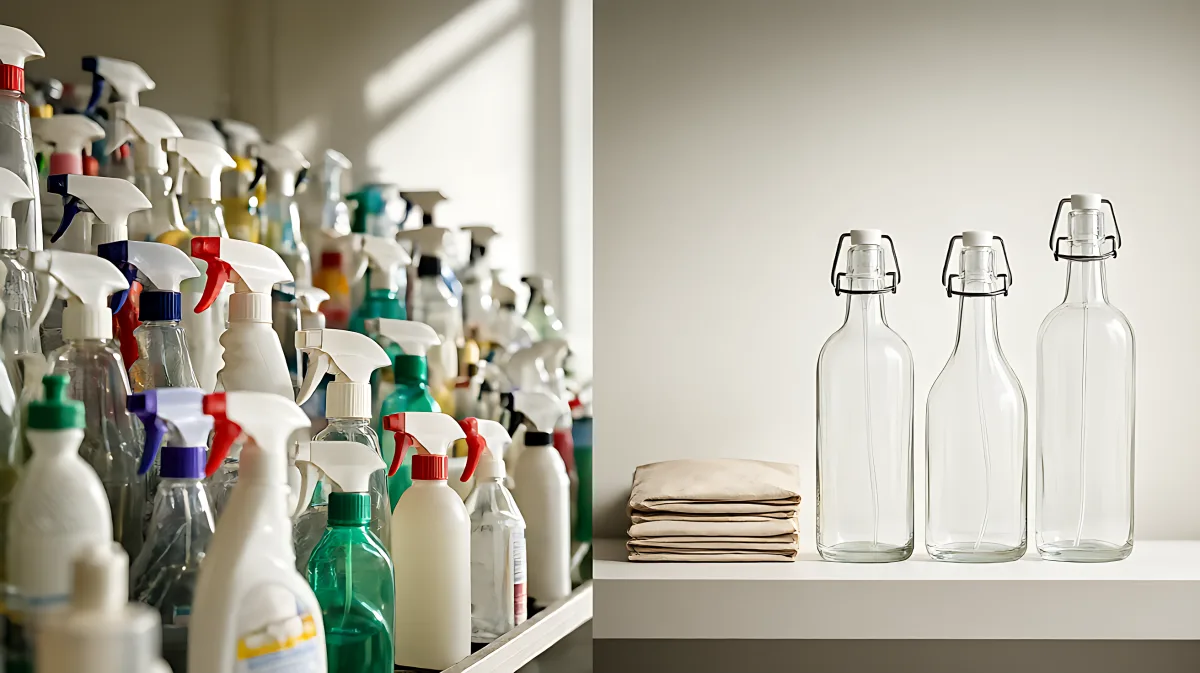
Discover the true financial impact of switching to eco-friendly cleaning products. Learn how refill systems and premium pricing affect your budget.
Switching to eco-friendly cleaning products typically increases your initial expenditure due to premium pricing, but long-term savings are possible through refill systems. Most green cleaning brands cost 10 to 20 percent more than conventional supermarket options. However, by purchasing concentrated tablets or bulk refill pouches, households can offset these costs and reduce plastic waste significantly.
How much do sustainable cleaning products actually cost?
Many families assume that "green" products will double their household utility bills, but in fact, the price difference is often manageable when viewed over a full year. Conventional cleaners are mass-produced in plastic bottles filled largely with water, which increases shipping costs. Eco-friendly brands often sell concentrated formulas that you dilute at home, eliminating the need for heavy plastic packaging. For example, a zero-waste cleaning kit might cost $46 initially. This price covers a set of reusable spray bottles and the first batch of dissolvable tablets or concentrated liquids. Once you have the hardware, the ongoing cost is just the refills. According to pricing trends observed by WIRED, refillable tablet systems can save consumers up to 50 percent on subsequent purchases compared to buying single-use plastic bottles.
What factors drive the higher price of green cleaners?
The primary cost drivers are ingredient quality and packaging innovation. Brands often use plant-based surfactants and essential oils rather than synthetic chemicals. As noted by The Good Trade, ingredients like castile soap and citric acid are effective but often sourced from organic suppliers, which commands a higher price. Furthermore, the environmental certifications required by the EPA Safer Choice program involve rigorous testing. This ensures the products are safe for aquatic life and free from endocrine disruptors. These testing and certification costs are passed on to the consumer. Additionally, shipping lightweight, concentrated products in paper or glass packaging is more expensive per unit than shipping heavy, water-filled plastic jugs.
Is it cheaper to make your own cleaning solutions?
Homemade solutions using vinegar and baking soda are the most budget-friendly option. WIRED editors highlight that this combination, paired with elbow grease, handles many common cleaning tasks at a fraction of the cost of branded eco-products. However, there are limitations. Baking soda is abrasive and can damage delicate surfaces like aluminum or natural stone. It is also less effective against tough grease or biological stains. If you have specific needs, such as disinfecting high-touch surfaces or removing protein-based stains, commercial enzyme blends from brands like Alter:Bio may be necessary. These specialized products cost more but target specific issues without harsh chemicals.
How can you reduce the cost of green cleaning?
Buy in bulk. Many UK and US brands offer large container options that reduce the cost per ounce. For instance, Miniml, a UK-based company, offers 5-litre containers that let you stock up at home. By using your own refillable bottles, you avoid buying new plastic containers every time. You can also look for sales on specialized items. Thrive Market and similar platforms often discount natural cleaners. Finally, limit the use of disinfectants to areas where people actually come into contact with contaminated surfaces, such as doorknobs and bathroom fixtures. The EPA recommends that many general-purpose cleaning tasks do not require disinfectants. Using a standard all-purpose cleaner for floors and walls saves money and reduces chemical load.
Checklist: Minimizing your cleaning budget
- Invest in a starter kit with reusable spray bottles to avoid single-use plastic costs.
- Buy concentrated tablets or liquid refills in bulk to lower the per-use price.
- Use vinegar and baking soda for daily maintenance tasks to reserve premium products for deep cleaning.
- Check for the EPA Safer Choice label to ensure you are not paying for vague "green" claims.
- Limit disinfectant use to high-touch surfaces to extend the life of your specialty products.
Common misconceptions about green pricing
Many shoppers believe that natural cleaning products are always ineffective, leading them to over-buy multiple strong chemical brands to compensate. In fact, modern plant-based surfactants and enzyme blends are highly effective. Over-purchasing is unnecessary and increases waste. Another misconception is that you must buy every product from a single eco-brand. You can mix and match; for example, using a standard eco-laundry detergent while using a specialized stain remover only when needed. This hybrid approach can keep costs down.
Frequently asked questions
Are refillable cleaning systems really cheaper in the long run?
Yes. While the initial kit may cost between $40 and $50, subsequent refills are significantly cheaper than single-use bottles. Because you are not paying for the plastic packaging repeatedly, the cost per clean drops over time. Most users break even on the hardware within three to four months of regular use.
What is the most expensive part of an eco-friendly cleaning routine?
The initial hardware is usually the most expensive part. Buying separate bottles, sponges, and brushes from sustainable brands adds up quickly. To save money, you can wash and reuse your existing plastic spray bottles or purchase multi-purpose kits that include all necessary tools for less than buying items individually.
Do eco-cleaners work on tough stains like grease or mold?
They can, but they may require more effort. Enzyme-based cleaners are excellent for biological stains, and vinegar-based products handle grease well. For mold, however, conventional bleach is often used for its strong oxidizing properties. While some eco-brands offer oxygen bleach alternatives, they may take longer to work and require longer dwell times to be effective on severe mold issues.
Where can I find deals on sustainable cleaning products?
Online marketplaces and subscription services often offer discounts on bulk purchases. Look for sales events where you can buy larger sizes of laundry detergent or dish soap. Additionally, local zero-waste shops sometimes offer discounts on empty glass containers if you return your used ones, effectively making the packaging free if you adhere to the loop system.