Vacuum Motor Burnout Signs: Early Detection Guide
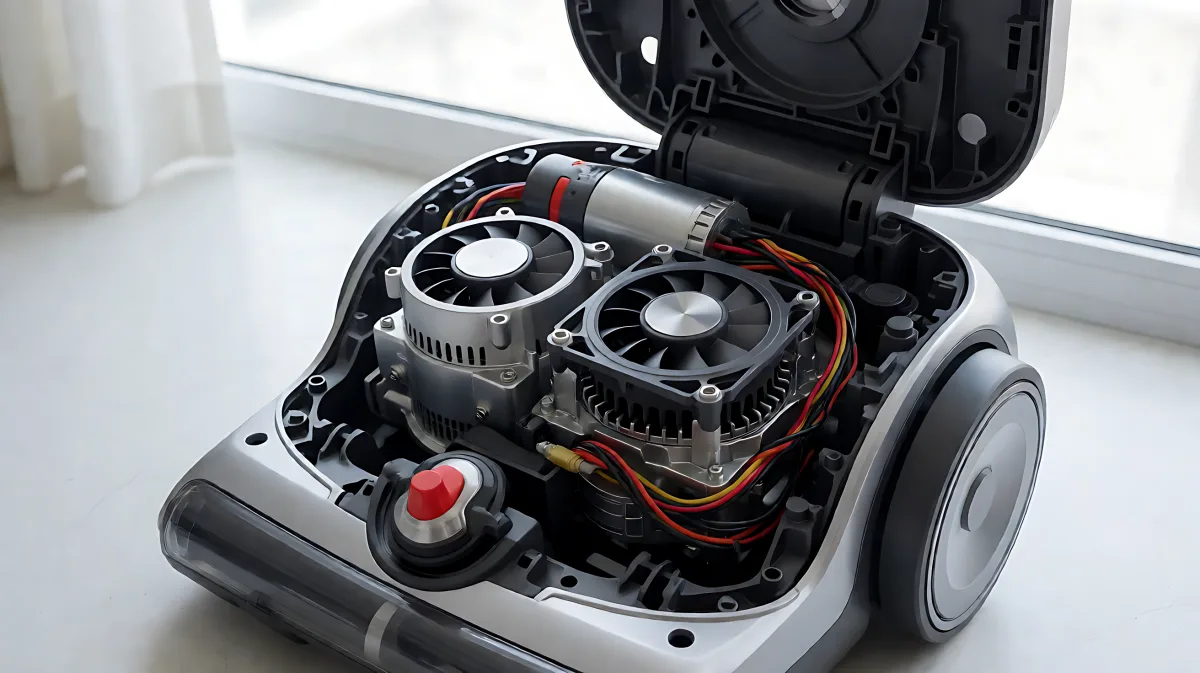
Learn to spot the early warning signs of a vacuum motor burnout before it causes total failure. This guide covers key symptoms and preventive maintenance for US and UK homeowners.
Most vacuum motors are engineered to last over ten years, but burnout often occurs long before that if you ignore early warning signs. If your cleaner suddenly smells like burning plastic, makes new grinding noises, or shuts off unexpectedly, it is likely overheating. These issues usually stem from restricted airflow or worn internal components. Addressing these signs immediately can prevent total motor failure and avoid expensive replacements.
What causes vacuum motor burnout?
Motor failure rarely happens without a build-up of stress. In most cases, the root cause is airflow restriction. When a filter is clogged, the canister is full, or the pipe is blocked, the motor must work significantly harder to maintain suction. This increased workload generates excess heat that the motor cannot dissipate fast enough, leading to thermal stress and eventual burnout.
Worn carbon brushes and bearing failure are also common culprits. Carbon brushes transfer electrical current to the spinning armature, but they wear down over time. As they thin out, the motor works harder to stay consistent, causing arcing and heat. Similarly, when bearings seize or develop friction, the motor fights this resistance on every rotation, generating waste heat that damages internal parts.
Exceeding the manufacturer's duty cycle is another frequent cause. Running a vacuum cleaner for marathon sessions without breaks, particularly on large homes, forces the motor past its recommended continuous runtime. This heat accumulation can accelerate wear on the coils and fans.
How do you tell if your motor is overheating?
Overheating is the primary mechanism behind burnout, and it presents specific physical signs. A healthy motor runs at a consistent temperature, so any deviation is a signal. The most critical indicator is a distinct burning smell, often described as resembling hot plastic or ozone. This odor means internal components are exceeding safe temperature limits.
Another key sign is the unit shutting off mid-use. Many modern vacuums include a built-in thermal protector that cuts power when internal temperatures cross a safety threshold. If your cleaner keeps powering down during a session, the protector is actively preventing damage, indicating that the motor is running far too hot.
You can also check the exterior of the power unit. While it is normal for the housing to feel slightly warm after a long clean, it should not be hot enough to discourage you from touching it. If the casing feels burning hot, the internal cooling airflow is compromised.
Which noises signal a failing vacuum motor?
Sound is a reliable diagnostic tool for mechanical health. A healthy motor produces a consistent, humming tone. When you hear grinding, whining, or high-pitched screeching, it usually points to bearing wear or brush contact problems.
Grinding noises often indicate that debris is stuck in the motor, causing friction that leads to damage. Screeching sounds may result from worn bearings or a loose belt. Excessive rattling can signal loose internal components or a broken fan blade. Ignoring these auditory cues can lead to complete motor failure and expensive repairs.
How do you check for weak suction and heat buildup?
Weak suction is often mistaken for a clog, but when it coincides with heat buildup, it points to motor stress. If the cleaner is not picking up debris as effectively as it used to, and the unit is running hotter than usual, the motor is likely struggling to maintain performance.
Before assuming the motor is dead, you must rule out simple blockages. A clogged filter is one of the most common sources of restricted airflow. Many families assume that weak suction is always due to a motor fault, but in fact, it is often caused by a dirty filter or a full canister that mimics the symptoms of a failing motor without actually being damaged yet.
What steps should you take to prevent burnout?
Prevention is significantly cheaper than replacement. Follow this checklist to keep your vacuum motor healthy:
- Empty the canister regularly: Do not let it fill to capacity. A full canister restricts airflow and forces the motor to work harder.
- Clean or replace filters: Check your manual for the recommended interval. A clean filter ensures optimal airflow and cooling.
- Inspect the brush roll: Remove tangled hair or debris that creates resistance for the motor.
- Limit continuous use: Avoid marathon sessions that exceed the motor's rated duty cycle.
- Schedule annual tune-ups: A professional inspection can catch brush and bearing wear before it leads to failure.
When should you replace the entire vacuum cleaner?
Deciding between a motor repair and a full replacement depends on the age of your system. For a relatively new vacuum that is otherwise in good condition, replacing just the motor is usually the most economical choice. However, for an older unit nearing the end of its service life, a new motor may not be a good investment compared to buying a new appliance. A technician can assess whether your specific model is worth saving.
Frequently asked questions
Can a clogged filter really cause motor burnout?
Yes, it can. Restricted airflow is the leading cause of motor overheating. When a clogged filter blocks air, the motor cannot cool itself properly, leading to rapid temperature spikes and potential burnout.
How long do vacuum motors typically last?
With reasonable maintenance, most vacuum motors are built to last ten years or more. Neglecting airflow issues or running the unit beyond its duty cycle can significantly shorten this lifespan.
What does it mean if my vacuum smells like burning?
A burning smell usually indicates that the motor is running hotter than it should. This is often due to restricted airflow, worn brushes, or a failing bearing. You should stop using the vacuum immediately and investigate the cause.
Why does my vacuum shut off on its own?
This is typically the motor's built-in thermal protector cutting power because internal temperatures have crossed a safety threshold. It is a sign of overheating, not a random malfunction.
Is it safe to keep using a vacuum with a burnt smell?
No, it is not safe. Continuing to run an overheating motor risks turning a repairable issue into a total failure and, in rare cases, poses a fire hazard. Always unplug the unit and address the root cause.