How to Clean Mold Without Harsh Fumes: Safe Alternatives
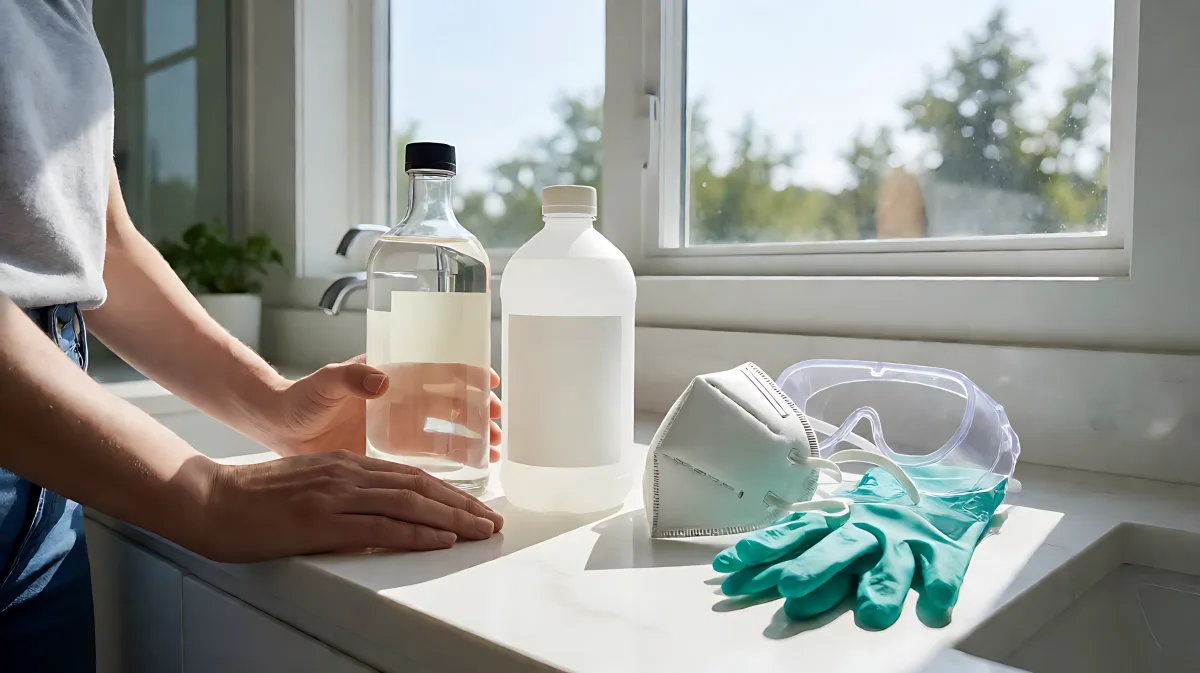
Bleach isn't the only way to kill mold. Explore proven natural alternatives, safety protocols from the CDC, and practical steps to clean your home without exposing your family to toxic fumes.
You can clean mold effectively without harsh fumes by using natural solutions like undiluted white vinegar, 3% hydrogen peroxide, or baking soda paste. According to the CDC, always wear an N95 respirator, nitrile gloves, and sealed goggles when handling mold, even when using mild cleaners, to prevent spore inhalation and skin contact.
Why Skip Harsh Chemicals for Mold Cleanup?
Many homeowners assume that strong-smelling commercial mold sprays or high-concentration bleach are necessary to kill stubborn fungi. In fact, the U.S. Environmental Protection Agency notes that moisture control is the primary driver of mold growth, and cleaning is secondary. Harsh chemicals like chlorine bleach release corrosive fumes that can irritate the lungs, eyes, and skin. Mixing bleach with ammonia or vinegar can create toxic chloramine or chlorine gas, posing severe health risks. Natural alternatives offer antifungal properties without these airborne hazards.
For small outbreaks, natural cleaners are not just safer; they are often more effective on specific surfaces. While bleach only kills surface stains on porous materials, natural agents can penetrate deeper into non-porous surfaces or, in the case of hydrogen peroxide, handle slight porosity better.
Which Natural Cleaners Actually Work?
Not every "green" hack is backed by science. Some items, like vodka or plain salt water, lack the antifungal potency needed to kill established mold colonies. The following solutions have demonstrated efficacy in environmental health studies:
White Vinegar
Undiluted white distilled vinegar contains about 5-6% acetic acid, which can kill up to 82% of mold species. It is particularly effective on non-porous surfaces like tile and glass. The smell dissipates quickly once the area dries.
Hydrogen Peroxide
A standard 3% hydrogen peroxide solution acts as a powerful oxidizer that disrupts fungal cell structures. It is safe for most surfaces but should be spot-tested on painted walls or fabrics first, as it can cause bleaching. It is effective on surfaces where vinegar might not penetrate as well.
Baking Soda and Borax
Baking soda is an alkaline substance that makes the surface environment inhospitable for mold. It works best as a scrub agent mixed with water or vinegar. Borax is a mineral that not only kills existing mold but leaves a residual film that inhibits future regrowth, making it a good preventative measure for grout and wood.
Tea Tree Oil
Tea tree oil is a potent natural antifungal. While expensive, it is highly effective. A mix of one teaspoon of oil in one cup of water can be sprayed on moldy areas. It does not need to be rinsed and continues to protect the surface as it dries.
What Safety Gear Do You Need?
Cleaning mold releases spores into the air. The CDC emphasizes that protecting your respiratory system is critical, even when using natural cleaners. You must wear a NIOSH-approved N95 respirator at a minimum. If you are dealing with extensive debris, consider a half-face respirator.
Protect your skin with non-latex gloves such as nitrile or rubber. Latex gloves can degrade or allow spores through if you have allergies. Your eyes require complete protection from particles; use goggles designed to seal against dust, as open-vented safety glasses will not suffice.
Step-by-Step Guide to Cleaning Mold Naturally
Follow this checklist to safely remove mold from a small, non-porous area in your home:
- Assess the Damage: If the moldy area is larger than 10 square feet, or if it is on porous materials like drywall or carpet, stop and call a professional. DIY methods will not remove the root of the infestation in these cases.
- Prepare the Area: Open windows and doors to create cross-ventilation. If possible, position a fan to blow air out of the room, not in.
- Don Your Gear: Put on your N95 mask, goggles, and heavy-duty gloves before you touch any moldy items.
- Apply the Solution:
- For hard surfaces: Spray undiluted white vinegar and let it sit for one hour.
- For textured surfaces: Mix baking soda with water to create a paste and apply with a stiff-bristled brush.
- Scrub and Wipe: Use a dedicated scrub brush to work the cleaner into the texture. Wipe the area with a damp cloth, changing the cloth frequently to avoid spreading spores.
- Dispose of Waste: Place any contaminated rags, sponges, or brushes into a heavy-duty garbage bag. Seal the bag tightly before carrying it outside.
- Dry Completely: Use fans or a dehumidifier to ensure the area is completely dry. Mold cannot grow without moisture, so this step is crucial for prevention.
When Should You Call a Professional?
DIY cleaning is appropriate for surface-level, small-scale issues. However, there are clear limits to what you can handle at home. According to professional restoration guidelines, you need expert help if:
1. The mold covers an area larger than 10 square feet.
2. The mold has penetrated porous materials like insulation, drywall, or subflooring.
3. The source of the moisture is contaminated water, such as sewage backup or flood water.
4. You or family members are experiencing ongoing respiratory symptoms, allergies, or asthma attacks when in the home.
Professionals use specialized containment equipment and HEPA filtration to safely remove mold-infested materials. They also address the underlying moisture problem to prevent recurrence.
How to Prevent Mold From Coming Back
Cleaning is only half the battle. The EPA stresses that if you do not fix the water source, the mold will return. To keep your home fume-free and mold-free, maintain indoor humidity between 30% and 50% using a dehumidifier or air conditioner.
Regularly inspect your roof, pipes, and windows for leaks. Ensure your bathroom and kitchen exhaust fans are working correctly and vent outside. Keep gutters clean and extend downspouts to move water away from your foundation. By controlling moisture, you eliminate the environment mold needs to thrive.
FAQ
Can I mix vinegar and hydrogen peroxide to clean mold?
No, you should never mix vinegar and hydrogen peroxide in the same container or apply them simultaneously to the same surface without rinsing. This combination can create peracetic acid, which is a harsh chemical that can cause chemical burns and respiratory irritation. Use one, then thoroughly rinse and dry before using the other if necessary.
Is vinegar as effective as bleach for killing mold?
On non-porous surfaces, vinegar is often more effective than bleach. Bleach is absorbed by porous materials without killing the mold roots, while vinegar's acidity can penetrate and disrupt the fungal structure. For large infestations or structural mold, neither is sufficient; professional remediation is required.
What should I do if I have asthma and find mold?
If you have asthma, COPD, or are immunocompromised, the CDC advises that you should not perform the mold cleanup yourself. These conditions increase your risk of severe respiratory reactions. Hire a professional to handle the remediation and keep yourself in a different, unaffected area of the home during the process.
How long does it take for vinegar to kill mold?
For vinegar to be effective, it must be left on the surface for at least one hour. This allows the acetic acid time to kill the mold spores. If you wipe it off immediately, you may only be removing the stain without killing the organism.
Do natural cleaners remove mold stains completely?
Not always. While vinegar and hydrogen peroxide kill the mold, they may not fully bleach out deep stains, especially on porous surfaces like wood or fabric. In such cases, the affected material may need to be replaced if the stain persists or if the mold has penetrated deeply into the fibers.