Safe Cleaning for Older Adults: Tips to Prevent Falls
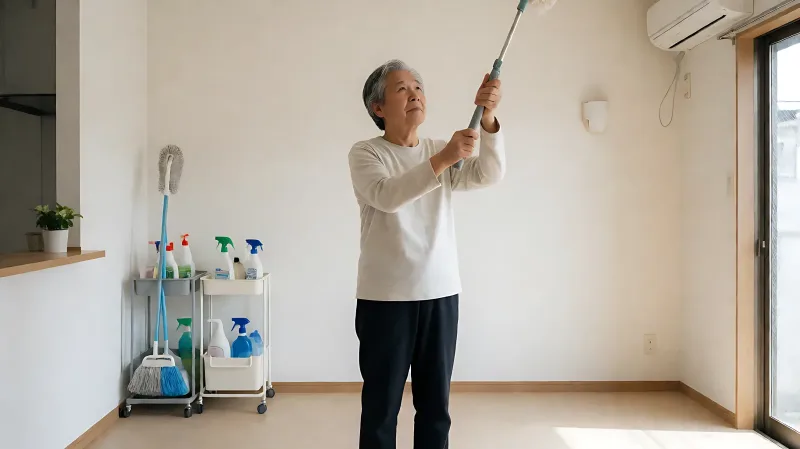
Protect independence and prevent injuries with practical housework strategies for seniors, including ergonomic tools, clutter reduction, and non-toxic product choices.
To clean safely as an older adult, prioritize low-fume, non-toxic products and adaptive tools that reduce bending and lifting. Remove floor clutter to prevent trips, use non-slip footwear, and schedule cleaning in short, manageable sessions to avoid joint strain and fatigue.
For more information, see NIA healthy aging resources from the National Institute on Aging.
How Do Cleaning Hazards Change With Age?
Tasks like vacuuming, mopping, or dusting high shelves place new demands on the body after age 60. Joints become stiffer, muscle strength decreases, and balance reflexes may slow down. According to the Centers for Disease Control and Prevention (CDC), falls are the leading cause of injury among people over 65, with millions experiencing falls each year. Many of these incidents happen on wet kitchen floors, in bathrooms, or on staircases, making safe cleaning routines a critical component of home health.
Do I Need Special Tools to Protect My Joints?
Yes. Replacing standard vacuums with lightweight cordless models and using long-handled brushes significantly reduces back and knee stress. For individuals with arthritis or chronic pain, ergonomic handles and rolling carts allow for cleaning without carrying heavy buckets or twisting at the waist. The U.S. Consumer Product Safety Commission (CPSC) advises that older adults should look for products with balanced centers of gravity and secure grips to prevent slipping during use.
What Are the Best Ways to Reduce Fall Risks at Home?
Preventing a fall often starts before you pick up a sponge. Remove all tripping hazards, including loose throw rugs, dangling electrical cords, and piles of mail. Ensure that hallways and entryways are wide enough to walk through comfortably. The National Institute on Aging (NIA) suggests keeping essential items on surfaces between 24 and 36 inches from the floor, which is the most accessible range for most seniors without requiring bending or stretching.
How Should I Prepare a Room Before Cleaning?
Start by opening windows for fresh air, but only if you are using low-fume products. Wearing non-slip shoes is non-negotiable; even on dry floors, proper footwear provides a wider base of support. If you are cleaning the bathroom, ensure the floor is completely dry before stepping into it. Consider placing a non-slip mat inside the shower to protect your feet from hidden moisture.
How Can I Minimize Exposure to Strong Fumes?
Strong chemical smells can cause dizziness, nausea, or breathing difficulties, which are especially dangerous for those with cognitive changes or heart conditions. The Environmental Protection Agency (EPA) recommends choosing cleaning agents that are biodegradable and free from volatile organic compounds. Instead of heavy-duty commercial sprays, a mixture of white vinegar and water is highly effective for glass and tiles. For disinfecting, look for products that do not require a long dwell time before wiping.
When Should I Consider Professional Cleaning Services?
Professional help is a sign of smart planning, not failure. Many local agencies and organizations, such as the Area Agency on Aging, offer respite services that include home maintenance. For those on a budget, a weekly or bi-weekly service can handle deep tasks like scrubbing baseboards or washing windows, allowing the senior to focus on light, daily upkeep like wiping counters. This approach preserves dignity while ensuring a hygienic environment.
What Safe Routines Work Best for Different Rooms?
Each area of the house presents different physical challenges. The kitchen is often the highest-risk area due to wet floors and tight spaces. Use a lightweight mop with a wringable head to keep your hands dry and your grip secure. In the bedroom, focus on removing dust and allergens by vacuuming and using a microfiber cloth, which traps dirt without the need for water and heavy drying time.
How Can I Organize Supplies for Easier Access?
Keep your cleaning kit in a central location, such as a bathroom cabinet or a utility room, so you aren't walking to different parts of the house to find a cloth. Use a rolling cart to hold your supplies; this allows you to move them easily and provides a stable place to set down tools if you need to rest. Labeling drawers and bins can also help reduce the cognitive load of finding items.
When Is It Time to Stop Doing Heavy Housework?
Recognize the signs of overexertion, such as increased joint pain, persistent fatigue, or unsteadiness. If a task leaves you feeling significantly worse than before, it is time to adjust the routine. The CDC and the NIA recommend that seniors consult with their primary care providers to identify specific movement restrictions that should inform their cleaning schedule.
Frequently Asked Questions
What are the safest cleaning products for senior health?
Choose products that are unscented, fragrance-free, and labeled as non-toxic. Look for third-party certifications like the EPA Safer Choice label, which indicates that the product has been reviewed for minimal impact on human health and the environment.
How can I prevent slips in the kitchen without a full renovation?
Place non-slip rugs under the sink and on the walkways to the refrigerator. Keep a large absorbent towel nearby for immediate spill cleanup. Ensure that the area under cabinets is well-lit so you can see where you are stepping.
Is a robot vacuum safe for older adults to use?
Yes, as long as the home is well-organized. Robot vacuums require that you clear floors of small objects like shoes and toys before activation. This process alone doubles as a fall-prevention safety check of your living space.
How do I balance independence with the need for assistance?
Invite a family member to clean alongside you. They can handle the heavy lifting while you perform the light tasks. This shared approach keeps you engaged in the process while ensuring that your physical limits are respected.
How long should a cleaning session last for a senior?
Most experts suggest working in 10-to-15-minute intervals. Focus on one room or one specific task, then take a break to stretch and hydrate. This prevents the physical and mental fatigue that can lead to accidents.