Home Disinfection Guide: Avoid 6 Myths & Mistakes
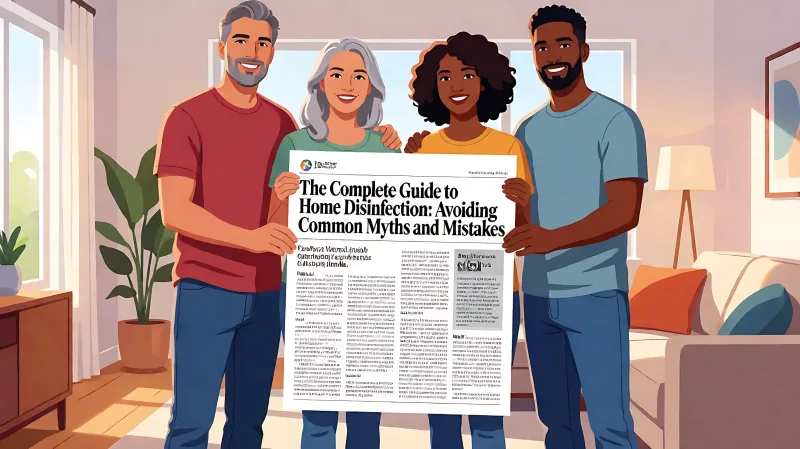
Understanding Home Disinfection: Common Myths and Critical Errors Effective home disinfection is a cornerstone of household health, yet many residents rely on inaccurate information that can lead to i
Understanding Home Disinfection: Common Myths and Critical Errors
Effective home disinfection is a cornerstone of household health, yet many residents rely on inaccurate information that can lead to ineffective cleaning or even harm. A significant source of confusion lies in the distinct definitions of hygiene terms. It is crucial to differentiate between cleaning, disinfection, and sterilization. Cleaning removes visible dirt and organic matter but does not necessarily kill pathogens. Disinfection reduces the number of harmful microbes to a safe level for human health, which is the appropriate standard for daily home maintenance. Sterilization, which eliminates all microbial life including spores, is a rigorous process reserved for medical and industrial settings, not typical residential care.
For more information, see NIA healthy aging resources from the National Institute on Aging.
A secondary but critical principle is that household hygiene should prioritize cleaning over disinfection. For most environments, thorough cleaning with soap and water, combined with physical methods like sun-drying or boiling, is sufficient. Disinfectants are best used as a targeted, auxiliary step rather than the primary method. In homes where a specific infection risk exists, such as during a pandemic or a viral outbreak, disinfection should focus on high-touch surfaces like doorknobs, light switches, and remote controls, while maintaining a routine of natural ventilation.
Why Proper Disinfection Matters
Over-disinfection is a common trap. Residents often assume that more product equals better results, leading to the misuse of chemicals that can degrade home materials and irritate the respiratory system. By understanding which methods are truly necessary, you can create a safer living environment without the risks of chemical overexposure or fire hazards associated with improper alcohol use. For a broader approach to maintaining a safe environment, explore our guide on Senior Home Safety Guide, which discusses how environmental adjustments can prevent falls and other accidents.
6 Common Disinfection Mistakes You Must Avoid
Even with the best intentions, many homeowners fall into specific traps when it comes to sanitation. Recognizing these errors is the first step toward a healthier home.
- Spraying Alcohol into the Air: This is a major fire hazard. Ethanol concentrations in enclosed spaces can easily exceed flammability limits. Instead, alcohol should only be applied directly to surfaces via a cloth. If you need to target specific high-traffic areas, consider our tips in Senior Bathroom Safety for managing environmental risks.
- Disinfecting Incompatible Materials: Chlorine-based disinfectants are corrosive to metals and can permanently damage leather by breaking down its protein structure. For delicate items like electronic devices or luxury finishes, use non-corrosive alternatives.
- Applying Concentrated Disinfectants to the Body: High-strength chemicals are meant for inanimate objects. Direct application to skin or inhalation of aerosols can cause severe irritation, burns, or respiratory damage.
- Using "Viral" Sprayers or UV Lamps: Products like blue-light nano-sprayers are marketing gimmicks; the blue light only illuminates, it does not disinfect. Furthermore, the mist from these devices can be inhaled, harming lung tissue. UV lamps are also unsafe for home use, as they cause acute skin and eye damage.
- Excessive Disinfectant Concentration: More is not better. For alcohol, 75% is the ideal standard; higher concentrations evaporate too quickly to be effective. For chlorine solutions, following the label dilution ratio is essential to avoid toxic gas release.
- Adding Disinfectants to the Washing Machine: Adding chlorine or other chemicals to laundry dilutes them to ineffective levels and can corrode machine components. Separate hygiene steps are better than combining them in the wash.
For more in-depth strategies on maintaining a healthy home, you might find our article on Master Kitchen Organization helpful for keeping high-touch food areas clean and accessible.
How to Choose the Right Disinfectant for Your Home
Not all disinfectants are created equal. The effectiveness of a product depends on the specific surface and the type of pathogen you are targeting.
84 Disinfectant (Sodium Hypochlorite)
This is a heavy-duty option for floors and sturdy surfaces like tables. It is highly effective but also highly corrosive. It must be used in a well-ventilated area, and you should wear rubber gloves. Never mix 84 with any other cleaner, as it produces toxic chlorine gas. It is most effective when used as a wipe or a light spray, not an aerosol.
75% Alcohol (Ethanol)
Alcohol is the gold standard for small, high-touch items like smartphones, keys, and remote controls. It is fast-acting and dries without residue. However, it should only be used on a cloth or wipe. If you have concerns about how technology interacts with your living space, check out AI in Elderly Care for modern solutions that reduce physical contact with shared household items.
Hypochlorous Acid
This chemical is generally considered safer and has lower toxicity to humans and the environment. It is suitable for hands and general items. However, its lower concentration means it may not be sufficient for heavily soiled or high-risk environments. Because the industry standards for this product are still developing, it is vital to purchase from verified, registered manufacturers.
Frequently Asked Questions
What is the difference between cleaning and disinfecting?
Cleaning removes dirt and some germs from surfaces, whereas disinfecting uses chemicals to kill germs on non-food surfaces. Cleaning is the first step; disinfection is a targeted step used to reduce microbial levels to a safe point.
Can I use hand sanitizer as a substitute for washing with water?
Hand sanitizer is a backup for when soap and water are unavailable. However, it does not remove all types of pathogens or harmful chemicals from your hands. It is generally recommended to wash with soap and running water to thoroughly clean your fingertips, palms, and wrists.
How long should I ventilate my home?
Experts suggest opening windows at least two to three times a day, with each session lasting no less than 30 minutes. This physical method of air exchange is more effective and safer than using chemical air sanitizers.
Is it safe to use chlorine disinfectant on leather furniture?
No. Chlorine is an active oxidizer that will react with the proteins in leather, causing it to become brittle and discolored. It will also rust metal components. For leather, use a dedicated cleaner or a damp cloth with a small amount of alcohol.
How do I properly dilute 84 Disinfectant for floor cleaning?
The standard household dilution for routine floor cleaning is 10ml of 5% 84 liquid mixed with 990ml of water. This solution must be prepared fresh daily, as it loses effectiveness after 24 hours. After mopping, wipe the floor with clean water to remove chemical residue.
References
Key Takeaway
Adopt a "clean first, disinfect second" philosophy. Use the right tool for the job: 75% alcohol for small items, diluted 84 for floors, and regular ventilation for the air. Avoid mixing chemicals, and never use flammable sprays or UV lamps in a residential setting.