Mold After Flooding: Timeline and Remediation Guide
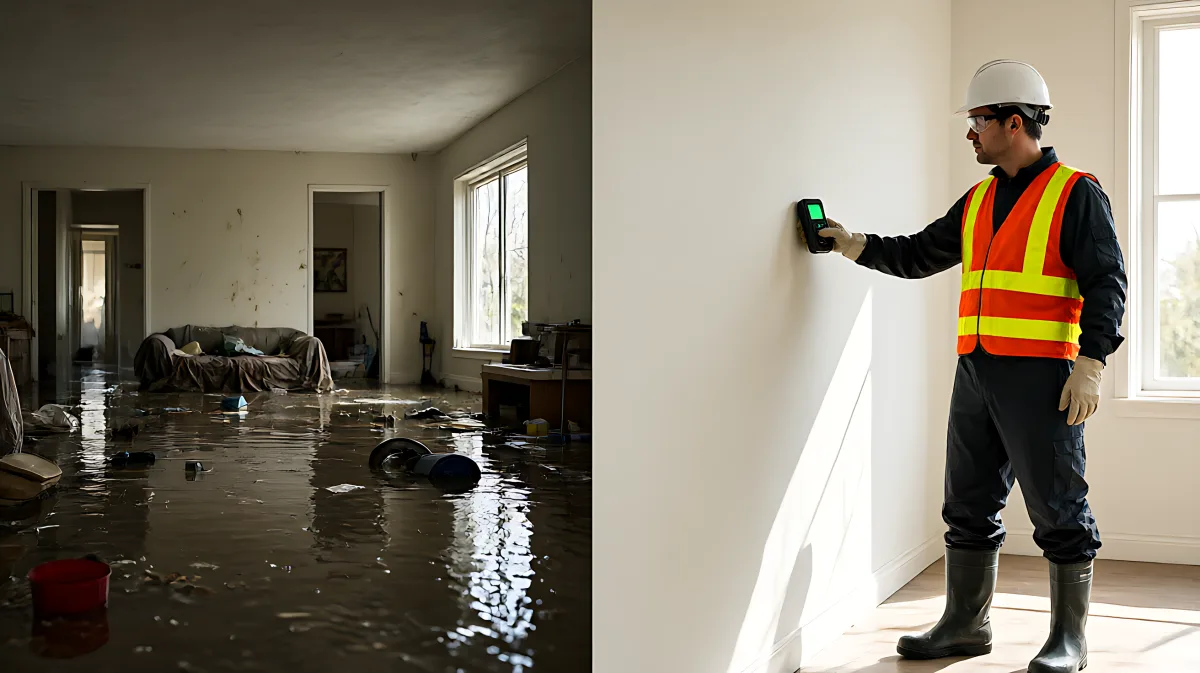
Mold can begin growing within 48 hours of flood contact. This guide outlines the critical first steps, from safety checks to material removal, to prevent extensive damage and health risks.
Mold can begin growing on wet building materials within 24 to 48 hours after flood water contact. Because flood water is heavily contaminated, porous items like drywall and carpet padding must often be discarded rather than cleaned. Acting quickly within this two-day window is the single most effective way to prevent a flood incident from turning into a major structural and health crisis for your home.
When water from external sources such as storms, river overflows, or runoff enters a home, it carries with it sediment, sewage, and chemical residues. This type of water is classified as the most contaminated tier by industry standards, meaning it cannot be treated like a simple indoor pipe leak. The presence of these pollutants accelerates fungal growth and poses significant health risks if inhaled or touched. Therefore, the approach to cleanup is more aggressive, focusing on rapid extraction, thorough drying, and the complete removal of saturated porous materials.
Why Is Flood Water Treated Differently Than a Pipe Leak?
Many homeowners assume that if the water looks clear, it is safe to clean and reuse. In fact, flood water is treated as grossly contaminated regardless of its clarity or odor. It has traveled across streets, sewers, and riverbeds, picking up pathogens, heavy metals, and pesticide residues. This is why restoration professionals follow specific standards that classify such water as Category 3. Unlike a burst pipe that releases clean, sanitary water, flood water requires that porous materials it contacts are generally removed rather than just disinfected. This distinction is crucial for deciding whether to save your drywall or replace it entirely.
What Is the Critical 48-Hour Window for Mold Growth?
The speed at which mold establishes itself after a flood is faster than with other water damage scenarios. Flood water deposits organic matter and nutrients directly onto surfaces, providing a food source for spores. Within three to twelve days, visible colonies can appear if materials remain damp. The initial 24 to 48 hours are therefore the decisive period. If porous materials such as insulation, carpet backing, and gypsum board are wet for longer than two days, they are usually beyond rescue. Restoration crews typically cut affected drywall to about 12 inches above the visible waterline, accounting for the way water wicks upward faster than it is visible on the surface.
What Are the Essential First Steps After a Flood?
Getting the sequence right is vital to containing the damage. The process must follow a strict order of operations to ensure safety and efficacy. Drying efforts are only effective once the water is removed and the area is secure. Here is the step-by-step protocol for the first two days:
- Confirm Safety: Wait for an official all-clear from local authorities if one has been issued. Do not enter if you smell gas, hear hissing sounds, or see downed power lines. Standing water can be electrified by submerged outlets.
- Shut Off Utilities: Turn off electricity to affected circuits at the breaker panel, provided it is safe to reach. Stop any active water intrusion by closing valves or sandbagging entry points.
- Document Damage: Photograph every affected room, water line, and damaged item before moving or discarding anything. This record is essential for insurance claims and contractor scoping.
- Extract Standing Water: Use sump pumps or wet/dry vacuums to remove water immediately. Every hour of standing water reduces the chances of saving interior materials.
- Remove Porous Materials: Discard carpet, padding, and soaked drywall that have been wet for more than 48 hours. These items act as sponges for contaminants and cannot be adequately dried.
- Start Mechanical Drying: Run fans and dehumidifiers continuously. Do not rely on visual dryness, as materials can appear dry on the surface while remaining saturated underneath.
It is also critical to leave the HVAC system off during this phase. If flood water reached the ductwork or drain pan, running the system can push contamination throughout the home instead of drying it out. A professional inspection is required before the system is restarted.
What Protective Equipment Is Required for Cleanup?
Because flood water is highly contaminated, standard cleaning gear is insufficient. The guidelines from federal agencies like the EPA and CDC recommend wearing an N-95 respirator at a minimum, along with safety goggles and protective gloves. Since the water may contain bacteria and chemical runoff, durable, impermeable clothing such as disposable coveralls and rubber boots are necessary to prevent skin contact. Respiratory protection is non-negotiable to avoid inhaling mold spores and aerosolized contaminants during the extraction and removal process.
How Do You Control Humidity to Prevent Recurrence?
Once the immediate water is gone, the focus shifts to controlling the ambient environment. Mold thrives in high humidity, so maintaining indoor levels below 60% is a key defense mechanism. Dehumidifiers should be selected appropriately for the size of the space; a unit that is too small will be ineffective, while one that is too large may over-dry the air. Regular monitoring with a hygrometer helps identify pockets of moisture that fans alone cannot resolve. Proper ventilation in kitchens, bathrooms, and laundry rooms also prevents future moisture accumulation that could trigger new growth.
Who Pays for Mold Remediation After a Flood?
Insurance coverage for flood-related mold is complex. Standard homeowners insurance policies typically exclude flood damage entirely. Coverage is usually provided only by a National Flood Insurance Program policy or a private flood policy, and even these have specific conditions and deductibles. The cost for remediation can range from $500 for minor issues to over $75,000 for extensive whole-house damage. Documenting everything with photos and videos before cleanup is your best evidence for any claim. If you do not have specific flood insurance, you may need to absorb these costs, making the immediate mitigation steps even more critical to limit the final bill.
Is Testing for Mold Necessary After a Flood?
Contrary to popular belief, testing is not always the recommended first step. The Centers for Disease Control and the Environmental Protection Agency advise that if a surface touched flood water and was not dried within two days, it should be treated as contaminated. Rather than spending money on lab testing, the safest move is to remove the porous materials and clean the hard surfaces. Testing can be useful in later stages to confirm that remediation was successful, but it should not delay the initial cleanup and drying process.
What Are Common Mistakes to Avoid?
Many families assume that a quick wash with bleach will disinfect the entire house. This is a dangerous misconception. Bleach does not penetrate porous materials to kill the mold roots, and it can actually leave behind moisture that encourages more growth. Furthermore, mixing bleach with other cleaning agents can create toxic fumes. Instead, focus on physical removal of contaminated materials. Another common error is leaving the HVAC system on to help dry the house. As noted, this can spread contaminants if the ducts were affected by the flood. Always prioritize safety checks before entering the home, as structural damage and electrical hazards are life-threatening.
Frequently Asked Questions
How long does it take for mold to appear after flooding?
Mold can begin to grow within 24 to 48 hours of water contact. Visible colonies may appear within three to twelve days if the materials remain wet. The rapid growth is due to the organic matter and nutrients deposited by flood water.
Can I keep my carpet and drywall after a flood?
Generally, no. Porous materials like carpet, padding, and drywall that have been wet for more than 48 hours usually cannot be cleaned effectively. They must be removed and replaced to prevent ongoing mold growth and health risks.
Do I need to wear a respirator for cleanup?
Yes. An N-95 respirator is the minimum recommendation for anyone entering a flood-affected area to prevent inhalation of mold spores and contaminated particles. Goggles and gloves are also required.
Will my homeowner's insurance cover the mold damage?
Standard policies usually exclude flood damage. You need a separate National Flood Insurance Program policy or a private flood policy for coverage. Always check your specific policy terms and document all damage for claims.
How do I know if the air quality is safe after remediation?
Ensure all moisture readings on materials return to normal levels and that visible mold is removed. If you are unsure, consult a professional restoration specialist who can perform final inspections to verify that the home is safe to reoccupy.