Preventing Hard Water Stains: Eye Safety and Home Cleaning Tips
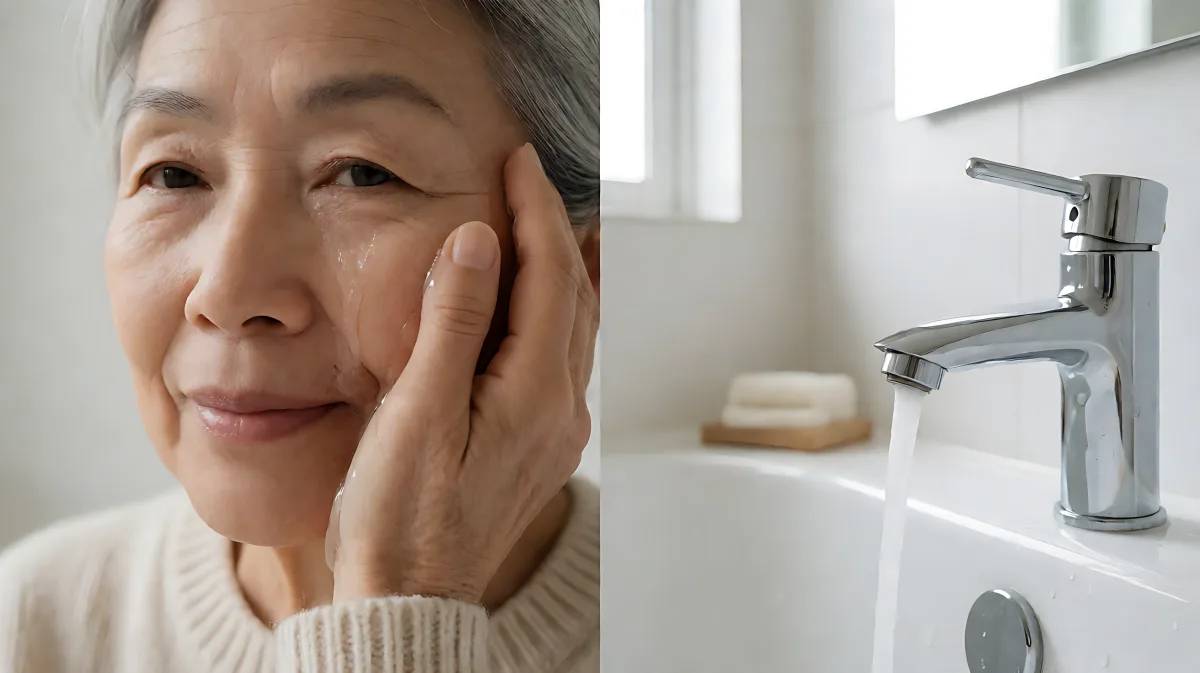
Hard water deposits are more than just cosmetic issues; they can impact eye comfort and require specific cleaning approaches. This guide explains how to remove limescale safely and prevent buildup that might irritate sensitive eyes.
Hard water stains are chalky mineral deposits that can irritate sensitive eyes, particularly for older adults with dry or sensitive vision. These spots form when dissolved calcium and magnesium in water evaporate, leaving behind alkaline residue. While the primary impact is visual discomfort and reduced clarity in glassware and shower doors, the chemical nature of these deposits means they do not dissolve with plain water. Removing them requires acidic solutions like vinegar, which neutralize the minerals. For seniors, prioritizing gentle, non-abrasive cleaning methods ensures that eye health is protected while maintaining a spotless home.
Why Hard Water Deposits Affect Visual Comfort
Many families assume that cloudy glassware or shower doors is purely an aesthetic annoyance, but in fact, the buildup of alkaline minerals can create a persistent haze that strains the eyes. For seniors, who may already experience dryness or sensitivity, the combination of mineral dust and harsh cleaning chemicals can lead to significant irritation. The University of California, San Francisco, notes that eye health is highly susceptible to environmental irritants, and minimizing exposure to raw mineral dust is a key preventive measure. When water containing high levels of dissolved minerals is used to wash the face or rinse glasses, the residue can cling to the skin and near the ocular area, causing stinging or blurred vision.
What role do calcium and magnesium play in this issue?
Calcium and magnesium are the primary components of "hard" water. When water evaporates from surfaces like faucets or eyeglass lenses, these minerals are left behind as solid limescale. This scale is alkaline, meaning it reacts poorly with most standard cleaning agents that are neutral or acidic. As a result, many people resort to abrasive scrubbing, which can create micro-scratches on glass. These scratches trap more dirt and minerals, making the surface look even cloudier and harder to see through, which increases visual fatigue for those with declining eyesight.
Safe Removal Techniques for Sensitive Environments
Removing these deposits requires a balance between effective cleaning and safety. Acidic cleaners break down the minerals, but they must be used carefully to avoid splashing into the eyes. The following steps provide a safe protocol for removing stains from glass and fixtures without risking eye injury.
- Prepare a solution of white vinegar and water in equal parts. Vinegar is a mild acid that dissolves limescale without the harsh fumes of industrial descalers.
- Spray the affected glass surfaces, such as shower doors or window panes, with the solution. Allow it to sit for at least 15 minutes to penetrate the mineral layer.
- Wear protective rubber gloves to prevent skin irritation from the acid and to stop the slippery surface from causing accidental slips.
- Use a soft microfiber cloth or a non-abrasive sponge to wipe the surface. Avoid steel wool or harsh scrubbers that can etch the glass.
- Rinse thoroughly with clean water and dry immediately to prevent new spots from forming.
For showerheads, soaking the head in a bag filled with vinegar for an hour can restore flow. This prevents the user from having to run the water directly into their face while the clogs are cleared, reducing the risk of mineral-laden water spray hitting the eyes.
Preventing Buildup and Protecting Eye Health
Prevention is the most effective strategy for maintaining clear visibility and protecting eye comfort. The Water Quality Association estimates that a typical household loses significant efficiency and clarity due to scale, costing homeowners in both maintenance time and product usage. To stop the cycle, consider installing a whole-home water softener, which removes the minerals before they reach your fixtures. This ensures that no new limescale can form on any surface.
How can you maintain clear glass without daily scrubbing?
Developing a routine of drying surfaces after use is the simplest preventive step. After showering, use a squeegee to remove water from glass doors. In the kitchen, wipe faucets and mirrors dry after washing hands or dishes. This simple habit, known as "spot removal," prevents the evaporation process that leaves behind the chalky residue. For eyeglass wearers, washing glasses with a dedicated soap-free cleaner and a soft lens cloth, rather than using tap water to rinse and air dry, minimizes the chance of mineral spots forming on the lenses.
Common Misconceptions About Mineral Removal
Many seniors believe that using more abrasive cleaners will make the process faster, but this is a dangerous misconception. Scratching glass creates tiny pits that actually hold onto more dirt and water, making the surface look cloudier over time. Furthermore, mixing vinegar with bleach, a common household error, produces harmful chlorine gas that can severely irritate the eyes and respiratory system. Always use one cleaning agent at a time and ensure the room is well-ventilated. The acid in vinegar is sufficient to dissolve limescale; no abrasive force is needed if the solution is left to sit long enough.
Frequently Asked Questions
Is it safe to clean hard water stains near mirrors and eyes?
Yes, if you use protective eyewear and gloves. Avoid using undiluted chemicals directly on mirrors that are at eye level. Spray the cloth or sponge first, rather than the surface, to minimize splash risks. Rinse your hands thoroughly after cleaning to prevent accidental transfer of acidic residue to your face.
What is the most effective natural remover for limescale?
White vinegar is the most accessible and effective natural acid for household limescale. It is safe for most metals and glass. Citric acid, found in lemon juice, is another excellent alternative, especially for food-safe surfaces like kettles. Both dissolve the calcium carbonate minerals that make up hard water stains without leaving toxic residues.
Do water filters remove hard water minerals?
Standard carbon filters remove chlorine and taste but do not remove calcium or magnesium. To address hard water stains, you need a reverse osmosis system for drinking water or an ion-exchange water softener for the whole house. Without these, the mineral content of your tap water remains high, and stains will continue to form on evaporation.