Smart Tech for Elderly Health & Safety Monitoring
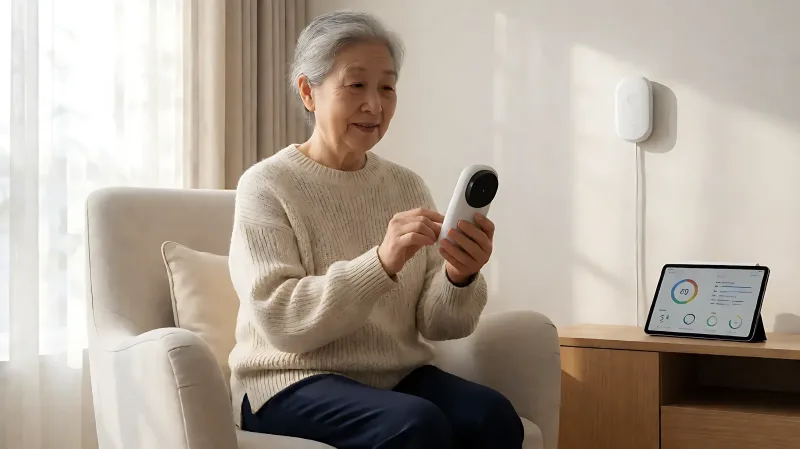
The Growing Need for Elderly Health & Safety Monitoring in China China's aging population is expanding rapidly, with over 300 million residents aged 60 and above, representing 22% of the total pop
The Growing Need for Elderly Health and Safety Monitoring
The population is aging rapidly, with adults aged 65 and older representing a growing share of the total. As physiological functions decline with age, seniors face heightened risks such as falls, getting lost, and sudden health emergencies. Statistics indicate that the fall incidence among adults aged 65 and older globally ranges from 28% to 35%, rising to 32% to 42% for those over 70. These risks impose significant economic and social burdens, driving a surge in demand for intelligent monitoring technologies that can protect seniors without invading their privacy or disrupting their daily lives.
For more information, see NIA healthy aging resources from the National Institute on Aging.
How Can Smart Devices Monitor Vital Signs and Behavior?
Intelligent monitoring systems for seniors generally focus on two main categories: vital sign detection (heart rate, respiration, temperature, blood pressure) and behavioral detection (falls, sleep safety, wandering). These technologies rely on a tiered architecture including front-end sensing layers, system application layers, and backend operational layers.
- Heart Rate Monitoring: With cardiovascular disease remaining the leading cause of death in the United States, continuous heart rate monitoring is increasingly valuable. Products range from wearable devices to remote dynamic ECG monitors and smart home-integrated sensors.
- Respiration Monitoring: This is an underserved market, largely due to low public awareness of sleep-disordered breathing like sleep apnea. Non-contact technologies like millimeter-wave (mmWave) radar and Wi-Fi sensing are preferred over wearable devices to ensure comfort and non-intrusiveness. These systems can track respiratory rates and provide remote alerts for medical staff.
- Temperature and Blood Pressure: Seniors often present with atypical infection symptoms, such as low-grade fevers, making temperature monitoring critical. Additionally, with nearly half of American adults living with hypertension according to the CDC, non-invasive blood pressure and blood oxygen monitoring devices are increasingly becoming standard in home care setups.
- Fall and Sleep Safety: Non-contact sensors are revolutionizing this space. They can automatically detect falls in private areas like bedrooms and bathrooms, preserving dignity, while also analyzing sleep patterns to identify risks of sudden illness.
Why Is Millimeter-Wave Radar a Breakthrough for Elder Care?
Millimeter-wave (mmWave) radar technology, operating in the 30-300 GHz frequency range, has emerged as a key driver in the smart home and elder care sectors. Regulatory shifts in the automotive industry, specifically the move away from 24 GHz radars for cars in favor of 76-79 GHz, prompted many manufacturers to pivot their existing hardware expertise toward consumer and health applications.
mmWave radar offers several distinct advantages for senior safety:
- Privacy and Non-Contact Nature: Unlike cameras, mmWave radar does not capture video, making it highly suitable for monitoring bathrooms and bedrooms. It operates without the user needing to wear a device.
- High Precision: It can detect minute movements, enabling accurate fall detection and respiration monitoring through the chest's micro-movements.
- Integration with AI: Modern systems combine radar data with artificial intelligence algorithms to distinguish between a genuine fall, a simple stumble, or normal movement, reducing false alarms.
While the market for elder-care radar is still in its early stages, with a projected market size of roughly 440 million CNY in recent years, it is rapidly evolving. Companies are shifting from selling standalone hardware to offering integrated, room-wide solutions. To learn more about broader home environment improvements that support seniors, see How Often Should You Ventilate Your Home for Better Indoor Air Quality?. Furthermore, for those managing health conditions like sleep apnea, understanding the symptoms is critical; read Understanding Sleep Apnea in Older Adults: Causes, Risks, and Management.
Frequently Asked Questions
How do smart monitoring devices protect senior privacy?
Many modern systems use non-contact sensors like millimeter-wave radar. These devices detect motion and vital signs without using video cameras, ensuring that monitoring in sensitive areas like the bedroom or bathroom does not violate the senior's privacy.
What is the difference between wearable and non-contact health monitoring?
Wearable devices (like smartwatches) require the user to put on a sensor, which may be forgotten or cause discomfort. Non-contact monitoring uses ambient sensors (radar, Wi-Fi) to track health metrics passively, making them easier for seniors to accept and use continuously.
Why are falls such a critical risk for older adults?
Falls are a leading cause of injury and hospitalization among seniors due to decreased balance and muscle mass. A fall can lead to fractures, loss of independence, or even death. Early warning systems using behavioral analysis can predict high-risk moments and alert caregivers to prevent accidents.
Can smart technology replace traditional home caregivers?
Smart technology acts as a powerful safety net, providing 24/7 monitoring that humans cannot. While it cannot replace the emotional and physical care provided by a human, it significantly reduces the workload for caregivers by alerting them only when an actual risk or emergency is detected.
How is artificial intelligence improving fall detection?
AI allows sensors to "learn" the specific movement patterns of a resident. Instead of simply detecting any drop in height, AI can differentiate between a person sitting down on a chair and a person falling on the floor, thereby drastically reducing the number of false alarms sent to families or nurses.
What should families consider before buying an elder care monitoring system?
Families should evaluate their specific risks (e.g., heart condition vs. mobility issues). They should also ensure the system integrates with their communication methods (like a smartphone app). For those looking to manage the costs of such systems and potential medical emergencies, it's wise to review How to Build the Perfect Emergency Fund for Financial Freedom.
Key Takeaway
Intelligent health and safety monitoring for seniors is shifting from a luxury to a necessity. By leveraging non-contact technologies like millimeter-wave radar and integrating them with AI, we can protect millions of seniors living independently from the most common risks, falls, heart issues, and sleep disruptions, without compromising their dignity or independence. As the market matures, these devices will move from single functions to fully integrated, whole-home smart safety ecosystems.
References
- CDC: Older Adult Health Data
- NIA: Aging in Place: Growing Older at Home
- Sleep Apnea in Older Adults