Best GPS Watches for Dementia Wandering Safety in 2024
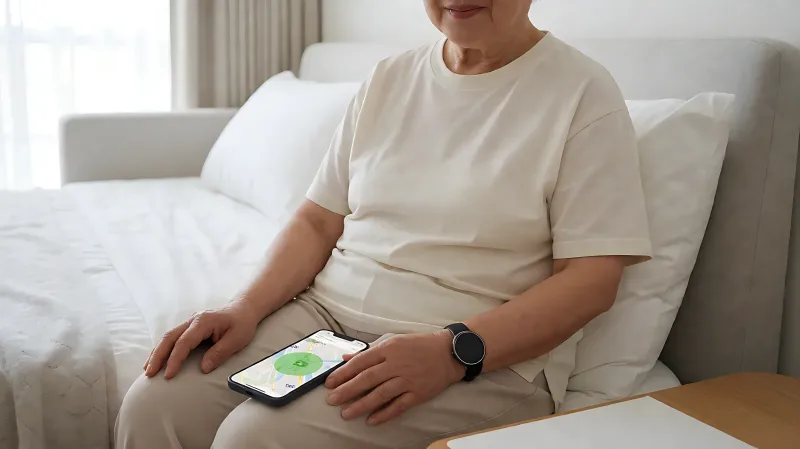
Discover how GPS tracking watches prevent dementia wandering. Compare top devices, costs, and features to keep loved ones safe with real-time alerts.
GPS tracking watches offer a vital safety net for adults with dementia who wander. These wearables use global positioning systems to monitor location, alert caregivers when a person leaves a designated safe zone, and assist in rapid recovery if they go missing. By reducing search time and preventing hazardous situations, these devices help maintain independence while significantly lowering risk for families and caregivers.
For more information, see NIA Alzheimer's information from Alzheimer's Disease Education and Referral Center.
Why do people with dementia wander?
Wandering is a common behavior in individuals with Alzheimer's and other dementias. It is not always malicious; often, the person is trying to complete a task, return to a familiar place, or cope with discomfort. The Alzheimer's Association notes that approximately 40 percent of people with dementia will get lost at some point during their disease. While only a small fraction are seriously injured while lost, the risk of injury, hypothermia, or traffic accidents increases dramatically the longer a person remains missing. Understanding these triggers is the first step in choosing the right safety technology.
What features should you look for in a GPS watch?
Not all tracking devices are suitable for dementia care. To ensure maximum safety and utility, a suitable watch must include specific hardware and software capabilities. Below are the critical components that define a reliable dementia-friendly tracker.
- Locking Clasp: Many individuals with dementia may remove devices if they become confused or anxious. A physical lock mechanism ensures the watch remains on the wrist or ankle throughout the day.
- Geofencing Alerts: This feature allows caregivers to draw a virtual boundary around the home or a familiar neighborhood. If the wearer crosses this line, an immediate alert is sent to designated phones.
- Two-Way Communication: Many high-end models include a speaker and microphone. This allows family members to speak to the wearer directly, providing comfort or directions without needing to be physically present.
- Fall Detection: Accelerometers in the watch can detect sudden impacts. If a fall occurs, the device can automatically alert emergency services or caregivers, which is crucial given the higher fall risks in this demographic.
- Battery Life: Dementia care is 24/7. Devices that require charging every few hours are impractical. Look for models that offer at least 24 hours of active use, with some premium options lasting up to a week.
How much do GPS tracking watches cost?
The cost of a GPS tracking watch generally includes two components: the hardware purchase and a mandatory monthly subscription for cellular and GPS service. Hardware prices range from under $50 for basic pendants to over $900 for advanced smartwatches with health monitoring. Monthly service fees typically range from $15 to $50 per month. When comparing options, always check if the subscription includes unlimited calls and location pings, or if data caps apply. Some providers offer discounts for multi-user households, which can be beneficial for families caring for multiple relatives.
Which devices are popular for dementia care?
The market has evolved from simple pendants to sophisticated smartwatches. Two major categories stand out for US and UK users: dedicated care watches and smartwatch-based apps.
What are dedicated dementia care watches?
Dedicated devices, such as those from TheoraCare or Tranquil, are designed specifically for senior safety. They prioritize durability, long battery life, and simplicity. For example, the TheoraCare watch offers two-way audio and a locking band, priced around $420. The Tranquil watch, while more expensive at roughly $945, boasts extended battery life and comprehensive wandering prevention features. These devices often come with a dedicated customer support center staffed by personnel trained in dementia response, which can be a critical resource during a crisis.
How do smartwatch apps differ?
For users who already own an Apple Watch or similar device, apps like BoundaryCare add a layer of dementia-specific monitoring. These solutions leverage the existing hardware, such as the heart rate sensor and GPS, and overlay a caregiver interface. This approach is cost-effective if the watch is already owned, but it relies on the wearer keeping the smartwatch on and charged. Studies indicate that many dementia patients prefer the familiar look of a standard watch, which increases compliance compared to medical pendants.
How can you maximize the safety benefits of a GPS watch?
Technology is only one part of a comprehensive safety plan. The Alzheimer's Association recommends a multi-layered approach to wandering prevention. While a GPS watch helps locate a person after they have wandered, it is less effective at preventing the wandering itself. Combining the watch with environmental modifications creates the safest home environment.
- Visual Cues: Use clear signage like stop signs or door murals to deter exiting the house. Even in late stages, visual stimuli can often redirect behavior.
- Door Alerts: Install motion sensors or door alarms that notify caregivers in the same household when a door is opened. This provides a chance to intervene before the person leaves the building.
- Medical ID: Ensure the watch or a separate bracelet includes medical ID information. Many emergency responders are trained to scan international medical ID bracelets for critical data.
- Caregiver Training: Ensure all caregivers know how to use the app. Set up escalation protocols so that if the primary caregiver does not respond to an alert within a set time, a secondary contact is notified.
What are the limitations of GPS tracking technology?
While GPS watches are powerful tools, they are not infallible. GPS signals can be weak indoors, leading to inaccurate location data. If a wearer goes inside a shopping mall or a dense urban area, the device may struggle to pinpoint their exact location, though it can often provide a general area. Furthermore, the device is useless if the battery dies. Caregivers must establish strict routines for charging the watch. Additionally, privacy laws vary by jurisdiction; in the UK, for instance, using tracking devices on an individual with capacity may have different legal implications than tracking a patient under guardianship. Always consult with local legal resources or the NHS in the UK or Medicare/Medicaid guidelines in the US regarding consent and data privacy.
Frequently Asked Questions
Can a GPS watch prevent someone with dementia from falling?
GPS watches cannot physically prevent a fall, but models with fall detection features can automatically alert emergency services if a significant impact is detected. This rapid response is crucial for minimizing injury complications. Regular health monitoring, such as heart rate tracking, can also flag irregularities that might predispose someone to a fall.
Do these watches work without a smartphone?
Dedicated dementia watches typically work independently of a smartphone by using their own cellular connection. However, the caregiver's phone or tablet is used to view the app dashboard. Smartwatch-based solutions require the wearer's phone to be nearby for data synchronization, although some newer models allow direct cellular transmission. Check the specific connectivity requirements of the device you are purchasing.
How accurate is the location data?
Modern GPS devices usually provide location accuracy within 3 to 10 feet in open areas. Indoor accuracy is lower and depends on Wi-Fi or Bluetooth triangulation. For safety purposes, a 10-foot radius is generally sufficient to determine which building a person is in, though it may not pinpoint the exact room.
Are there subscription-free options?
Most dedicated GPS medical devices require a monthly subscription because they use cellular networks for two-way communication and remote tracking. There are some low-cost pendants that only transmit location when a button is pressed, which may have lower or no monthly fees, but they lack the proactive geofencing alerts that are vital for dementia wandering safety.
What should I do if the watch is lost or stolen?
Most service providers offer replacement hardware for a fee. If the watch is stolen, the provider can locate it via the last known GPS signal. To mitigate this risk, some families keep a backup device in the home. Register your device with local police and keep the serial number in a secure place, ideally known to multiple family members.