Smartwatch Fall Detection Guide: Accuracy, Setup, and Best Picks
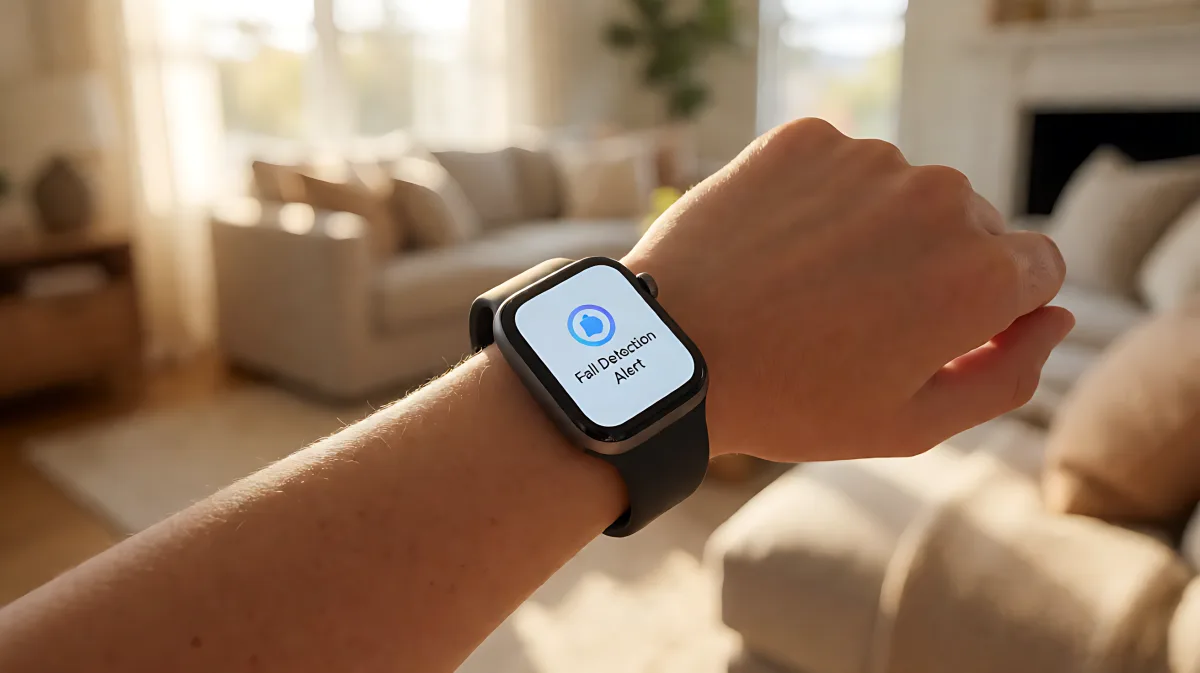
Falls are the leading cause of injury among older adults. This guide explains how 2026 smartwatches detect falls, compares top models, and provides a setup checklist for maximum safety.
Smartwatches with fall detection now use AI to monitor movement and automatically call for help if a hard impact is sensed and the wearer remains motionless. According to the CDC, more than one in four adults aged 65 and older falls each year, making this feature a critical safety layer. The best devices in 2026 combine accelerometers and gyroscopes with machine learning algorithms to distinguish real falls from vigorous exercise, ensuring rapid response without constant false alarms.
How AI Fall Detection Actually Works
Modern wearable devices do not just measure gravity; they analyze movement patterns in real-time. When a supported watch detects a sudden downward force consistent with a fall, it triggers a specific sequence of events designed to minimize false positives while ensuring help is reached if the wearer is incapacitated.
Does the watch call emergency services automatically?
In most 2026 models, the watch first asks if you are okay through taps, sounds, or visual prompts. If there is no response within a set window—typically 30 to 90 seconds—it will attempt to contact emergency services or your pre-set emergency contacts. For instance, Apple’s system begins a 30-second countdown after detecting a hard fall and immobilization, while other brands may allow users to customize this delay. The device then shares GPS coordinates with responders, provided the watch has cellular, Wi-Fi, or satellite connectivity.
Can it detect every possible fall?
No. Sensor technology is not infallible. A slow slide from a chair or a soft collapse may not generate the sharp vertical acceleration needed to trigger the algorithm. Conversely, a hard gym workout might occasionally cause a false alarm. Therefore, fall detection is a supplement to, not a replacement for, other safety measures like home modifications and regular check-ins.
Top Smartwatches for Fall Safety in 2026
When selecting a device, you must choose between consumer smartwatches that offer broad lifestyle features and dedicated medical alert watches built specifically for emergency response. Here is how the top contenders compare based on 2026 testing data.
Which consumer smartwatch offers the best value for safety?
The Apple Watch SE remains a strong contender for iPhone users, offering a 93% fall detection accuracy score in recent comparative tests. It integrates deeply with the Apple ecosystem, allowing for features like Check-In, which notifies loved ones when you arrive at a destination. Its battery life is approximately 18 hours, requiring daily charging.
Are dedicated medical alert watches superior?
For users whose primary goal is emergency response, the Medical Guardian MGMove stands out. Ranked 9.9 out of 10 by the National Council on Aging, this device focuses on 24/7 monitoring rather than lifestyle apps. It boasts an average response time of 10 seconds in independent testing by TheSeniorList, significantly faster than the 29-second average measured by NCOA. The trade-off is a higher ongoing cost, with service fees around $42.95 per month, compared to the lower or no service fees associated with many consumer smartwatches.
| Device | Best For | Response Speed | Battery Life | Estimated Monthly Cost |
|---|---|---|---|---|
| Apple Watch SE | iPhone users wanting lifestyle + safety | Varies by model | ~18 hours | Low (if no cellular) |
| Medical Guardian MGMove | 24/7 professional monitoring | 10-29 seconds | 24 hours | ~$42.95 |
| WristSafi | Senior-specific design & long battery | Auto alert | 3-5 days | Varies |
Common Misconceptions About Wearable Safety
Many families assume that buying an expensive smartwatch guarantees complete safety. In fact, the value of these devices depends entirely on consistent usage. If the wearer forgets to charge the watch or removes it during high-risk activities like showering, the fall detection feature is useless. Additionally, some users believe that automatic detection is enough and therefore ignore the manual SOS button. Pressing the button when possible is always faster and more reliable than waiting for the algorithm to confirm a fall.
Essential Setup Checklist for Maximum Protection
Buying the device is only the first step. To ensure the fall detection system works when it matters, follow these actionable steps immediately after purchase.
- Verify Compatibility: Ensure your phone model supports the watch’s connectivity options. Apple Watch requires an iPhone; Samsung Galaxy Watch works best with Samsung Android devices.
- Enable All Safety Features: Do not assume fall detection is on by default. On Samsung devices, for example, you must manually activate Hard Fall Detection in the companion app.
- Set Up Emergency Contacts: Add at least two current phone numbers. Verify that these contacts know how to respond to the alert they will receive.
- Configure Location Services: Ensure the watch has permission to share GPS data. Without this, responders cannot pinpoint the location of a fall.
- Establish a Charging Routine: Place the charger in a consistent, visible location. For users with cognitive decline, consider using reminder apps or having a family member check the battery level regularly.
Smartwatch vs. Medical Alert System
When should you choose a dedicated medical alert device?
If the wearer lives alone, has chronic health conditions, or requires professional monitoring that goes beyond just fall detection, a medical alert system like the MGMove or Bay Alarm Medical SOS Smartwatch is often better. These devices connect directly to a 24/7 response center, providing a human-in-the-loop verification that consumer watches often lack. The average response time for dedicated systems is significantly faster, and the service includes continuous monitoring rather than sporadic alerts.
Is a consumer smartwatch sufficient for healthy seniors?
For active seniors who are digitally literate and have family members who can respond quickly to alerts, a consumer smartwatch is a viable option. The key is to treat the watch as one tool in a broader safety strategy, including home hazard removal and regular social visits.
Frequently Asked Questions
How accurate is fall detection technology in 2026?
Accuracy has improved significantly, with top models achieving over 90% detection rates in controlled tests. However, independent studies suggest that real-world accuracy varies based on the angle of the fall and whether the watch is worn snugly. It is not a standalone safety solution but a highly effective alert mechanism.
Do fall detection watches work without cell service?
It depends on the model. Some watches use Wi-Fi or Bluetooth to connect to a paired phone to send alerts. Cellular models can call emergency services independently as long as they have a signal. Satellite connectivity is emerging in premium models for areas with no other coverage.
Can I turn off the automatic call feature?
Yes, most 2026 smartwatches allow you to customize the response. You can choose to receive only a notification on your phone or have the watch call a specific family member instead of 911. This is useful for users who fear false alarms will burden emergency services.
What is the battery life of fall detection smartwatches?
Consumer smartwatches typically last 18 to 24 hours. Dedicated medical alert watches often last 24 to 36 hours, with some models like the WristSafi claiming up to 5 days of battery life due to lower power consumption. Longer battery life reduces the risk of the device being dead during an emergency.