Best Medical Alert Systems 2026: Emergency Response Comparison
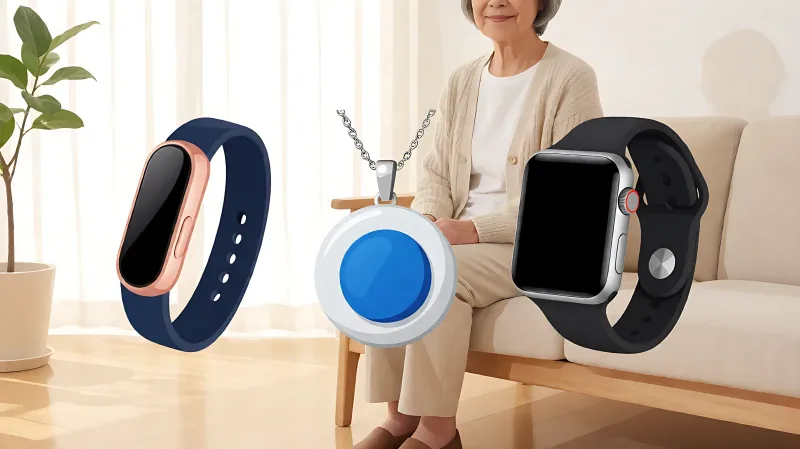
Evaluate the top medical alert systems for 2026, focusing on emergency response times, automatic fall detection capabilities, and GPS tracking features to ensure safety for independent seniors.
Top-rated personal emergency response systems (PERS) in 2026 offer sub-one-minute average response times and advanced GPS tracking. Leading options include Bay Alarm Medical’s SOS Smartwatch and Medical Guardian’s Guardian Flex, which start at approximately $40 per month. These devices combine two-way voice communication with automatic fall detection to ensure rapid emergency dispatch for older adults.
For more information, see FTC personal emergency alert guidance from the Federal Trade Commission.
What Are the Best Medical Alert Systems for 2026?
Based on recent testing methodologies involving 35 devices and over 5,000 hours of research, a few providers stand out for their balance of cost, speed, and reliability. The National Council on Aging (NCOA) and SeniorLiving.org both highlight the importance of 24/7 professional monitoring in their selection criteria.
- Bay Alarm Medical: Often rated the best overall due to its SOS Smartwatch, which requires no smartphone for operation. It offers fast response times and a robust feature set.
- Medical Guardian: Recognized for its fast average response times and long in-home device range. Their Guardian Flex system provides up to five days of battery life, reducing the need for frequent charging.
- MobileHelp: A budget-friendly option starting around $29.95 per month. It is praised for clear two-way voice communication and a wide in-home range of up to 1,400 feet.
- Medical Alert: Noted for the easiest setup process, allowing users to start using the system in under 10 minutes. It often includes a 30-day risk-free trial.
How Do Personal Emergency Response Systems Work?
A PERS is designed to connect a user in crisis to professional help within seconds. The workflow is standardized across major brands to ensure simplicity during high-stress moments.
First, the user wears the device as a pendant, wristband, or clip. When an emergency occurs, the user presses a large, clearly marked button. This action connects the device to a live monitoring agent via cellular or radio waves. The agent receives pre-filled data, including medical conditions, allergies, and designated contact lists. Finally, help is dispatched to the location, which is determined by GPS in mobile devices or by the home address in stationary systems. The Centers for Disease Control and Prevention (CDC) emphasizes that rapid intervention after a fall significantly reduces the risk of fatal injury.
Which Features Are Essential for Older Adults?
Not every system includes every feature, so matching the device to the user's routine is critical. Health tech experts recommend prioritizing the following capabilities based on lifestyle and health risks.
- Automatic Fall Detection: Many systems now include sensors that detect a fall and alert the monitoring center even if the user cannot press the button. This feature typically adds $8 to $12 to the monthly cost, as noted by the National Council on Aging. It is essential for users with seizure disorders, severe arthritis, or cognitive decline.
- GPS Tracking: Vital for anyone who leaves the house. GPS allows monitoring centers to pinpoint the user's location and guide emergency responders, especially if the user wanders or has a medical event outside the home.
- Waterproofing: For users who spend time in the bathroom or shower, a waterproof pendant or wristband is necessary. This ensures the device remains functional and safe during high-risk activities like washing or bathing.
- Caregiver Apps: Most top providers offer mobile apps that allow family members to check the status of their loved one, view health logs, and receive alerts if a test call is made.
How Much Do Medical Alert Systems Cost?
Pricing structures vary, but most services operate on a monthly subscription model. Hidden fees can exist, so it is important to look for equipment and activation costs.
| Provider | Starting Monthly Cost | Key Value Feature |
|---|---|---|
| Bay Alarm Medical | $39.95 | No smartphone required; smartwatch style |
| Medical Guardian | $44.95 | Long battery life; free lockbox for medications |
| MobileHelp | $29.95 | Lowest entry price; wide in-home range |
| Medical Alert | $37.95 | Easy setup; 30-day trial period |
Discounts are common. For example, NCOA frequently publishes promotional codes that offer free equipment or a free first month. Annual payments often reduce the effective monthly rate. Users should also check if their homeowner's insurance or Medicare Advantage plans cover a portion of the subscription, although few standard plans include PERS coverage by default.
Who Should Consider a Medical Alert System?
While often associated with seniors, PERS devices are beneficial for anyone at elevated risk of a fall or medical emergency. The National Council on Aging surveyed over 1,000 users and found that interest is highest among adult children whose parents live alone. However, the device is also suitable for:
- Individuals living alone, regardless of age, who lack immediate family support.
- People with chronic conditions like heart disease, diabetes, or seizure disorders.
- Individuals taking blood thinners, where a minor injury could become a major medical issue.
- Caregivers who need remote peace of mind and real-time status updates.
Occupational therapists often recommend these systems as part of a broader home safety strategy, alongside grab bars and proper lighting. The goal is to age in place safely without compromising independence.
Frequently Asked Questions
Does a medical alert system require a smartphone?
No. Most PERS devices use their own cellular network or in-home radio waves. While some newer models integrate with smartphones, top-rated options like Bay Alarm Medical’s smartwatch work independently, making them accessible for users who are not tech-savvy.
How accurate is automatic fall detection?
Accuracy varies by brand, but modern systems use accelerometers and gyroscopes to distinguish a fall from a quick movement like sitting down. While not perfect, it serves as a critical backup for users who may be unconscious or too injured to press the button manually.
Can I use a medical alert system outside my home?
Yes, mobile plans with GPS tracking allow users to wear their devices while walking, running errands, or traveling. The system will locate the user via GPS and direct emergency services to their current position, not just their home address.
What happens if the device is out of battery?
Most devices last between 24 and 120 hours on a single charge, with Medical Guardian claiming up to five days. If the battery dies, the user must press the button to alert monitoring. Some systems have a backup power source or alert the designated contact if the charge is critically low.
Are medical alert systems covered by insurance?
Medicare Part B generally does not cover medical alert systems because they are not considered medical equipment. However, some supplemental Medicare plans, Medicare Advantage, or long-term care insurance may offer discounts or coverage. It is best to check specific plan details.