Sleep Wristbands: Reduce Snoring and Track Health
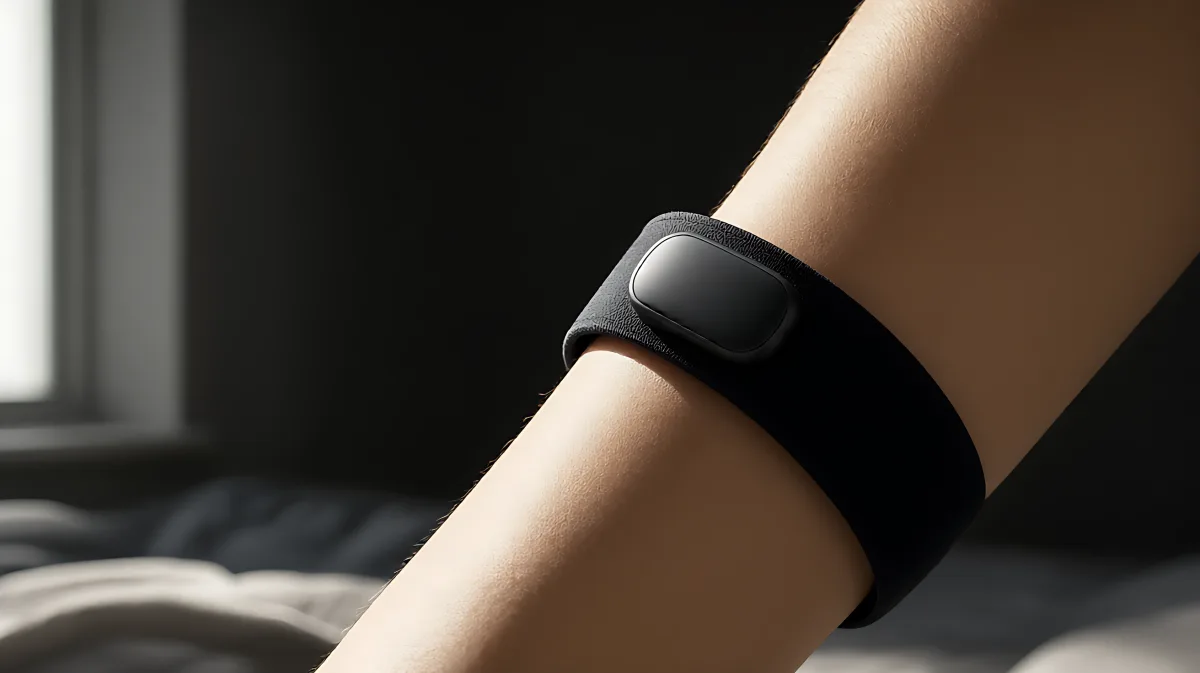
Snoring affects nearly 90 million Americans. Modern sleep wristbands use AI and biofeedback to interrupt snoring with gentle vibrations, offering a drug-free alternative to mouthguards for better sleep.
Sleep wristbands are wearable devices that use sensors to detect snoring or monitor sleep quality, often employing gentle vibrations or AI-driven analysis to help users stop snoring or track health metrics without medication.
For decades, the primary tools for managing snoring were mouthguards, positional therapy pillows, or surgical interventions. While effective for some, these methods often fail to address the complex neurological patterns of habitual snoring or require uncomfortable hardware. The emergence of biofeedback-enabled wristbands offers a less invasive path. These devices sit comfortably on the wrist or upper arm, monitoring respiration and heart rate. When the sensor detects a snoring event, it triggers a subtle vibration designed to alter breathing position or intensity, keeping the user in a deeper sleep state while reducing noise for partners.
How Do Smart Sleep Bands Actually Work?
Modern anti-snore wristbands rely on a combination of acoustic sensors and biometric monitoring. The device listens for the specific frequency of a snore. Once detected, the algorithm calculates whether the snore indicates a risk of airway obstruction. If a threshold is crossed, the band delivers a gentle haptic cue. This cue is calibrated to be strong enough to prompt a physical adjustment, such as changing head position or taking a deeper breath, but soft enough to prevent a full waking. The data is then synced to a companion application, where artificial intelligence analyzes trends over time.
Some newer models, such as the Garmin Index Sleep Monitor, utilize this technology for pure health tracking rather than active intervention. Released with a focus on overnight wear, it tracks sleep stages, heart rate variability, and Pulse Ox levels for up to seven nights on a single charge. It is designed for the upper arm to avoid wrist pressure, providing detailed reports in a free application without requiring a paid subscription. This distinction is crucial: one category of devices actively intervenes to stop snoring, while another simply observes and logs data for medical review.
What Is the Difference Between Snore Stopper Bands and Sleep Trackers?
Many consumers conflate these two distinct products. A snore stopper band, like the AppySleep device, is engineered for intervention. It actively monitors and responds to events in real-time. A sleep tracker band, such as the Amazfit Helio Strap or Samsung Galaxy Fit3, is engineered for observation. It records data to help you understand your sleep architecture. While both improve sleep hygiene, only the former actively attempts to change your breathing pattern to eliminate snoring. The tracking bands are useful for identifying general restlessness, whereas intervention bands target specific airway issues.
Why Choose a Wristband Over Mouthguards or App-Based Solutions?
Mouthguards require custom dental fitting and can cause jaw strain or dental changes over time. Phone-based snore detection apps, like the feature found on the Samsung Galaxy Fit3 ecosystem, rely on the microphone of a smartphone placed near the bed. This method suffers from battery drain and the need to carry a charged phone into the bedroom. A dedicated wristband is self-contained, battery-efficient, and more accurate because the sensor is closer to the pulse point.
Price points vary significantly. Basic smart trackers, such as the Samsung Galaxy Fit3, can be found for as low as $49.30, offering a large screen and long battery life but limited to Android phones. Mid-range options like the Google Fitbit Air cost approximately $99.99 and are lightweight, weighing just 12 grams, allowing for comfortable wrist wear. Premium dedicated sleep monitors, such as the Polar Loop and Garmin Index, range from $199.99 to $169.60, often offering superior heart rate variability data and recovery metrics. Subscription-based models, like WHOOP One, require a 12-month membership fee to access their data platform, which can increase the total cost of ownership considerably over time.
Is a Wristband Effective for Sleep Apnea?
It is important to distinguish between simple snoring and obstructive sleep apnea. While many families assume that a vibrating band can cure apnea, in fact, wristbands are best suited for habitual snoring and mild obstruction. For diagnosed apnea, clinical treatments like CPAP machines are the standard of care. However, recent studies suggest that biofeedback vibrations can help maintain airway tone in mild cases. Always consult a physician if you suspect apnea. Devices like AppySleep monitor oxygen levels in real-time, providing a useful data point that can flag potential desaturation events for medical review, but they do not replace clinical diagnosis.
Key Features to Evaluate Before Buying a Sleep Wristband
When selecting a device, you must balance comfort, battery life, and data utility. The physical design is critical because the band must be worn for eight hours or more. A bulky device will disrupt the sleep cycle. Look for textile bands that are breathable and non-restrictive. Furthermore, consider the reporting format. Do you need a subscription to see the results? Devices from Amazfit and Garmin generally provide their core sleep data free of charge, whereas WHOOP locks advanced recovery analytics behind a paid tier. This is a significant long-term cost factor to consider.
- Comfort and Fit: Verify if the band is for the wrist or upper arm. Upper arm straps, like the Garmin Index, prevent the wrist from bending awkwardly during sleep.
- Battery Life: Screenless bands typically last 7 to 14 days. Screened bands, like the Fitbit Inspire 3, last about 10 days but may require more frequent charging due to the display.
- Subscription Costs: Check if the manufacturer requires a monthly fee to access heart rate variability or detailed sleep stage reports.
- Compatibility: Ensure the companion app supports your operating system. Samsung devices are often Android-only, limiting their utility for iPhone users.
What Common Mistake Do Buyers Make Regarding Noise Levels?
Many buyers assume that a wristband creates a silent, passive experience. In fact, the most effective anti-snore bands are interactive. The device physically nudges the user. If a partner still hears snoring after using the device, it may be because the vibration intensity is set too low or the device is not fitting snugly. For intervention bands, the user must calibrate the sensitivity. For tracking bands, the "mistake" is expecting the device to stop the snoring; it will only record it. You must choose the device based on whether you want to interrupt the noise or simply analyze it later.
How to Set Up and Use Your New Sleep Wristband
Setup is generally simple but requires patience for the initial calibration. The device needs a baseline of your normal breathing pattern to distinguish a snore from a sigh or a shift in position. Most applications, including the one paired with the AppySleep band, require a 24-hour period of normal use before the AI algorithm fully optimizes its response. Do not discard the device after one night if it does not work immediately. Consistency is key to conditioning the device to your specific sleep profile.
- Charge Fully: Ensure the band is 100% charged before the first night.
- Pair via Bluetooth: Connect the band to your phone's companion app. Keep the phone within range of the bed, usually under one meter.
- Calibration Period: Wear the band for three consecutive nights to let the software learn your baseline heart rate and breathing rhythm.
- Positioning: For wrist-worn devices, keep the sensor centered on the radial artery. For upper-arm devices, ensure the strap is snug but not cutting off circulation.
- Review Data: Check the morning report after seven days to assess trends rather than relying on single-night anomalies.
Frequently Asked Questions About Sleep Wristbands
Do sleep wristbands require a monthly subscription?
Not necessarily. Brands like Garmin and Amazfit provide core sleep metrics, including stages and heart rate, without a monthly fee. However, some competitors, such as WHOOP, operate on a membership model where the hardware is free or discounted, but the data access requires a 12-month commitment. Always check the fine print on total cost of ownership.
Can a wristband replace a CPAP machine?
No. For patients with moderate to severe obstructive sleep apnea, CPAP is the clinical standard. Wristbands are best used for simple snoring or as a supplementary tool for monitoring data. If you have been diagnosed with apnea, do not stop using your prescribed medical devices in favor of a consumer wristband without explicit approval from your healthcare provider.
What is the battery life of a typical sleep band?
Battery life varies by model. Screenless bands like the Amazfit Helio Strap can last up to ten days on a single charge. Screened options like the Samsung Galaxy Fit3 offer up to 13 days. Devices with heavy continuous Pulse Ox monitoring, such as the Garmin Index Sleep Monitor, are rated for up to seven nights. You should charge the device weekly to ensure it is ready for your sleep cycle.
Are these devices safe for people with pacemakers?
Most modern sleep wristbands do not use electrical stimulation that would interfere with cardiac pacemakers; they rely on vibration or passive sensors. However, because they do monitor heart rate and sometimes use electromagnetic fields for Bluetooth communication, it is prudent to consult your cardiologist before adding any new wearable to your daily routine if you have a cardiac implantable electronic device.