Remote Patient Monitoring for Seniors: Home Health Data Guide
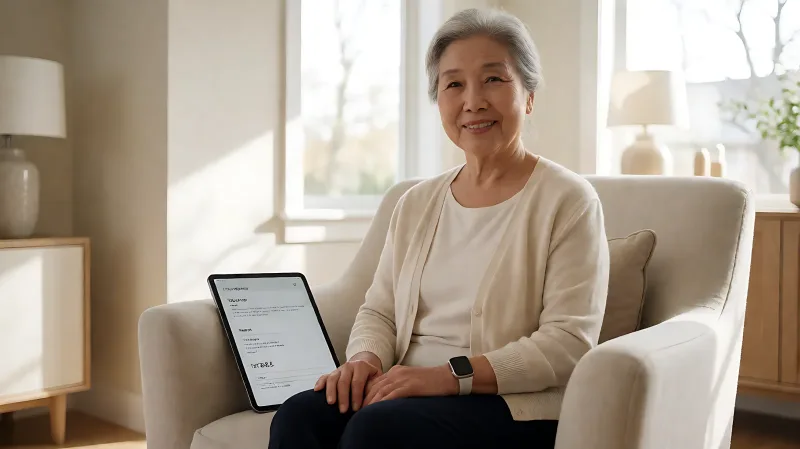
Remote patient monitoring uses digital devices to stream health data from a senior's home to their care team. This technology enables early detection of health issues, reduces unnecessary hospital visits, and supports independent living for older adults with chronic conditions.
Remote patient monitoring (RPM) allows seniors to stream real-time health data from home devices directly to their doctors. This digital connection helps clinicians detect early signs of heart, lung, or kidney issues without requiring frequent in-person visits. By tracking vital signs continuously, these systems support safer aging in place and reduce the stress on family caregivers.
For more information, see Medicare remote monitoring coverage guide from Medicare.gov.
What Is Remote Patient Monitoring for Seniors?
Remote patient monitoring is a healthcare model that uses digital tools to collect and transmit a patient's health information from home to medical professionals. Instead of relying solely on periodic appointments, this approach creates a continuous data stream. For older adults, this means a doctor can observe vital signs like blood pressure, glucose levels, and heart rate trends from a distance.
Which Devices Are Used for Home Monitoring?
Common tools include blood pressure cuffs, pulse oximeters, digital scales, and continuous glucose monitors. Many of these devices are Bluetooth-enabled or use Wi-Fi to send data automatically to a secure cloud platform. Wearable trackers also add data on activity and sleep patterns. It is important to distinguish between consumer health apps and clinically validated medical devices, as the latter often require a physician's order for insurance coverage.
How Does This Technology Benefit Homebound Seniors?
The primary benefit is the ability to manage chronic conditions more effectively. Conditions like heart failure, type 2 diabetes, and chronic obstructive pulmonary disease (COPD) require constant attention. RPM allows care teams to spot negative trends early, such as sudden weight gain indicating fluid retention in heart failure patients. This early intervention can prevent emergencies and serious complications.
Can RPM Reduce Hospital Readmissions?
Yes, significantly. The Centers for Disease Control and Prevention (CDC) and the Centers for Medicare & Medicaid Services (CMS) have noted that proactive monitoring helps reduce unnecessary readmissions. When a patient's data shows a deviation from their baseline, a nurse or provider can call the senior immediately. This simple step allows for medication adjustments or home health visits, preventing the condition from worsening to a point where emergency care is needed.
How Does It Support Aging in Place?
Many seniors prefer to remain in their own homes rather than move to institutional care. RPM supports this preference by providing a layer of professional oversight. Families receive peace of mind knowing that a clinician is reviewing health metrics. This reduces the need for physical check-ins, allowing seniors to maintain their independence while staying safe.
What Are the Costs and Coverage Considerations?
Understanding the financial aspect is crucial. In the United States, many remote monitoring services are covered under Medicare Part B if certain criteria are met. The provider must certify the medical necessity of the monitoring. However, patients may still face out-of-pocket costs for the devices, Wi-Fi access, and co-pays.
How Do Families Determine If RPM Is Worthwhile?
Families should evaluate the specific health risks. If a senior has a single, stable chronic condition, the value may be less clear than for someone managing multiple comorbidities. It is also vital to verify that the senior is technologically comfortable. If the device requires complex setup, the senior may abandon it. Simplicity and reliability are key factors in ensuring the technology delivers results.
What Questions Should Families Ask Before Starting?
Before adopting a monitoring system, families should clarify several logistical details. First, determine who reviews the data. Is it a dedicated care team, a specific doctor, or an automated system? Second, understand the alert protocol. What happens when a value goes out of range? Finally, review the privacy policies to ensure data is protected and stored securely. The U.S. Department of Health and Human Services (HHS) enforces strict privacy standards for digital health records, so compliance should be confirmed.
Is Remote Monitoring a Replacement for In-Person Care?
No. RPM is a supplement to, not a replacement for, traditional healthcare. It cannot diagnose new symptoms or treat emergencies. If a senior experiences chest pain, difficulty breathing, or sudden confusion, they should call 911 or go to the emergency room. Monitoring data helps guide long-term decisions, but it does not replace acute medical intervention.
How Does RPM Support Family Caregivers?
Caregivers often experience high levels of stress and burnout. RPM alleviates some of this burden by providing objective data. Instead of guessing if a parent's blood pressure is "acting up," caregivers can look at the chart. This data also improves communication with providers, leading to more focused and productive appointments. It allows caregivers to step back when necessary, knowing that safety nets are in place.
Frequently Asked Questions
Does Medicare pay for remote patient monitoring devices?
Medicare Part B often covers the supply of remote monitoring devices if they are medically necessary and ordered by a physician. It may also cover the monthly charges for the service of monitoring and data review, subject to deductibles and coinsurance. Families should verify specific coverage with their plan administrator.
What happens if the Wi-Fi goes out during monitoring?
Most systems require an internet connection to transmit data. If Wi-Fi is down, data may be stored locally on the device and uploaded later, or alerts may be delayed. It is essential to have a backup plan, such as mobile hotspots, and to inform the care team if connectivity issues arise.
Can seniors with dementia use these devices?
It depends on the stage of dementia. Simple devices like automatic blood pressure cuffs may be usable by some individuals with mild cognitive impairment. However, more complex systems may require assistance from a caregiver. The key is to ensure the senior is not frustrated by the technology, which could lead to misuse or abandonment.
How much data is shared with family members?
This depends on the specific service provider and the senior's consent. Many platforms allow authorized family members or caregivers to view a dashboard with key metrics. The senior should explicitly define what information is shared and with whom, respecting their privacy rights.
Is there a risk of data breaches?
As with any digital system, there is a risk of cyber threats. Reputable providers use end-to-end encryption and comply with HIPAA regulations to protect health information. Families should choose established companies with strong security records and read the privacy policy carefully before sharing any data.