Nia Training vs Fall Tech: Which Works Best?
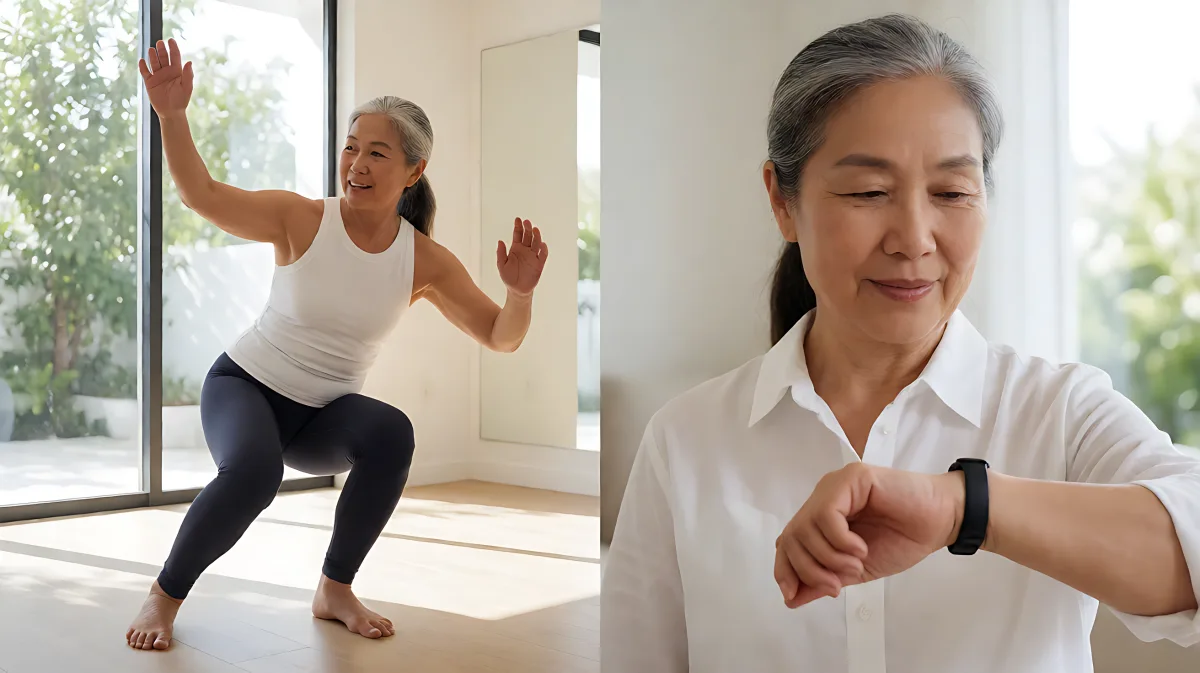
While wearable tech detects falls, proactive training prevents them. Learn why balancing Nia-based movement protocols with reliable alert devices is the most effective strategy for seniors in 2026.
Combining proactive balance training with reliable wearable technology offers the strongest defense against falls. According to the Centers for Disease Control and Prevention, about 1 in 4 adults over 65 falls each year. While devices can alert responders, regular movement like Nia training reduces the initial risk by improving stability and reaction time, creating a comprehensive safety net.
Why Balance Training Beats Passive Monitoring
Many families assume that buying a high-tech monitor is enough to prevent injury. In fact, technology only helps after the fall has already occurred. The most effective strategy is prevention through movement. Studies suggest that regular balance and strength training can reduce fall risk by up to 30 percent in older adults. Nia MoveIt! is a popular movement-based program that blends martial arts, yoga, and tai chi. It is particularly useful for seniors because it is low-impact and focuses on proprioception, which is the body’s ability to sense its position in space.
How Does Nia Training Improve Fall Outcomes?
Nia exercises often involve controlled weight shifting, reaching movements, and gentle jumps. These actions challenge the vestibular system in the inner ear and the proprioceptors in the feet. By practicing these movements regularly, seniors can improve their reaction time when they lose their balance. For example, if a senior slips on a wet floor, trained muscles are more likely to brace the fall safely rather than let the body collapse. This physical resilience complements any alert device by reducing the frequency of actual falls.
Understanding Wearable Fall Detection Accuracy
For seniors who still require safety nets, wearable devices are essential. However, not all devices work the same way. In 2026, independent testing shows varied performance across brands. Medical Guardian devices currently report approximately 90 percent accuracy in detecting falls, making them one of the most reliable dedicated options. In contrast, consumer smartwatches like the Apple Watch sit at around 70 percent accuracy. This difference matters. A 70 percent rate means three out of ten genuine falls might not trigger an automatic alert, relying entirely on the user to press a button.
What Are the Costs of Different Systems?
Budget planning is a major concern for families. The cost structure of these devices varies significantly. For instance, LifeFone Medical Alerts offer a monitoring base rate of roughly $19.95 per month, with fall detection features added for about $5 per month. No-equipment-fee options exist, but monthly subscriptions are the norm for professional monitoring. For those avoiding monthly fees, some standalone wearable bands cost about $25 to $40 per month for data and alerts sent directly to family members rather than a call center. Understanding these tiers helps families choose between professional operator response and direct family alerts.
Choosing the Right Device Form Factor
The best device is the one a senior will actually wear. There are three main types: pendants, wristbands, and smartwatches. Pendants are the most visible and accessible, hanging at chest level for easy button-pressing. Wristbands are more discreet and avoid cord-tangling risks with walkers. Smartwatches offer the most features but require nightly charging. A critical mistake is assuming a smartwatch is a replacement for a medical alert system. While a smartwatch calls 911 automatically, it does not connect to a live operator who can speak to the senior and assess the situation before dispatching help. For high-risk individuals or those living alone, professional monitoring remains the superior choice.
How Should Families Decide Which Device to Buy?
Consider the senior’s daily routine. If they spend most of their time indoors, a cellular or Wi-Fi based in-home system might be more cost-effective. If they are active outdoors, GPS-enabled devices are necessary for location tracking. Look for geo-fencing features, which send alerts if a senior leaves a designated safe zone. This adds a layer of safety beyond fall detection, helping to locate seniors who may be confused or wandering.
Actionable Safety Checklist for 2026
Adopting a hybrid approach of movement and monitoring requires consistency. Use this checklist to ensure maximum safety:
- Schedule Movement: Aim for Nia or similar balance training sessions at least three times a week to maintain muscle memory and proprioception.
- Audit the Home: Remove loose rugs and ensure pathways are clear of clutter, as most falls happen in the home.
- Select the Right Wearable: Choose a device based on compliance. If the senior resists pendants, try a discreet wristband. If they are tech-savvy, a smartwatch may suffice for lower-risk profiles.
- Configure Alerts: Set up geo-fence boundaries and ensure at least two contacts have the alert app installed on their phones.
- Test the Battery: For smartwatch users, establish a charging routine to prevent dead batteries during critical moments.
- Review Medications: Consult a doctor about medications that affect balance, such as blood pressure drugs that cause dizziness.
Common Misconceptions About Fall Prevention
One widespread belief is that fall detection devices are only necessary after a fall has already happened. In reality, the psychological comfort of having a safety net can encourage seniors to stay active and maintain independence, which itself lowers fall risk by preventing deconditioning. Another myth is that expensive devices are always better. While higher-priced systems often include more features like water resistance, a basic cellular pendant that sends alerts to a monitoring center may be more effective than a premium smartwatch that no one charges. The core value lies in reliable alert delivery, not just the number of sensors.
FAQ
Can Nia training replace medical alert systems?
Nia training significantly reduces the risk of falling by improving balance and strength. However, it does not provide emergency assistance if a fall does occur. For seniors living alone or with high-risk conditions, a wearable alert device is still recommended as a safety backup.
What is the most accurate fall detection technology available now?
As of 2026, dedicated medical alert wearables like those from Medical Guardian lead in accuracy, with independent testing showing roughly 90 percent detection rates. Consumer smartwatches generally trail behind at about 70 percent accuracy.
How much do monitored fall detection services cost?
Prices vary by provider. For example, LifeFone offers monitoring for about $19.95 monthly, with a $5 monthly add-on for fall detection. Other providers like Seculife start at $25 monthly for family-alert bands. Check for no-fee equipment options to reduce upfront costs.
Should I choose a pendant or a wristband?
Choose based on comfort and risk. Pendants are easier to press with one hand and more visible. Wristbands are safer for users of walkers or bed rails where cords might get tangled. Many seniors prefer wristbands for discretion, but pendants are often more accessible in a floor-level fall.