Best Smart Pill Dispensers for Families: 5 Devices Compared
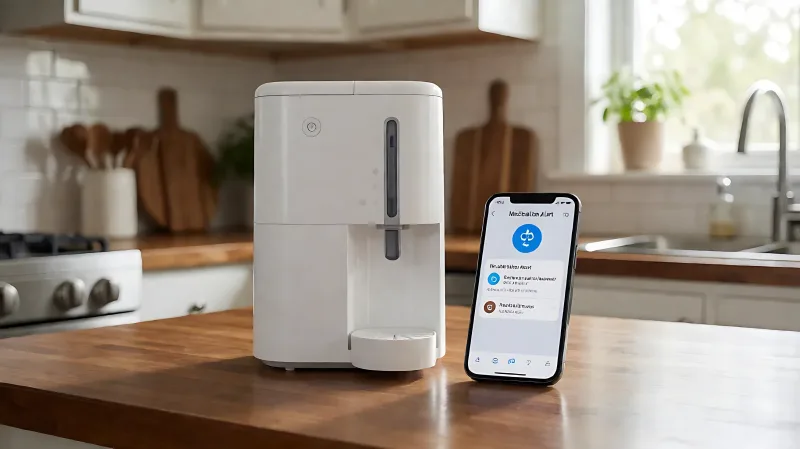
Struggling to keep up with complex medication schedules? Explore the top automatic pill dispensers of 2026. We compare costs, features, and alert systems to help you choose the right device for your family or care recipient.
Choosing the right automatic medication dispenser can prevent dangerous errors and reduce caregiver stress. For families managing complex regimens, the Hero system is currently the top-rated option due to its comprehensive monitoring and high reliability, though the Mobi dispenser offers a superior budget-friendly alternative for simpler needs.
For more information, see NIA medication management guidance from the National Institute on Aging.
Why Are Smart Pill Dispensers Essential for Modern Families?
Medication errors remain a leading cause of preventable injuries in patients, particularly among older adults. According to data cited by The Senior List, roughly nine out of ten people aged 65 and older take prescription medications. The burden of managing multiple doses across different times of day is significant. Automatic dispensers solve this by replacing manual sorting with automated, timed delivery. These devices ensure that the correct pill is released at the exact right moment, eliminating the guesswork that leads to skipped doses or double-dosing.
What Are the Top-Rated Automatic Dispensers in 2026?
Based on recent evaluations, five devices stand out for their reliability, connectivity, and user-friendly design. Each serves a different budget and care level.
- Hero: Best overall for comprehensive care. It supports up to 10 medications over 90 days and offers detailed caregiver reports. The cost ranges from $29.99 to $44.99 per month.
- MedaCube: Best for highly complex regimens. It holds up to 16 medications for 90 days and features advanced customization, though it comes with a high upfront price of $1,999.
- Mobi Smart Pill: Best for light-sensitive medications and tight budgets. Priced between $149 and $159, it holds 28 days of doses, with each compartment accommodating up to 35 pills.
- MedMinder: Best for tech-savvy users. It integrates well with home networks and supports up to 12 pills per compartment over 28 days. The service costs approximately $125 per month.
- LiveFine: Best affordable option. At $89.99, it manages up to nine medications for 28 days, making it a solid entry point for basic automation.
How Do Smart Dispensers Protect Patients and Caregivers?
Security and adherence are the primary benefits of these devices. Unlike standard plastic pillboxes, automated systems use locks and sensors to prevent tampering or accidental early access. Many devices, such as the Smart Dispenser offered by wellness pharmacies, include facial recognition or PIN codes to ensure only the intended user receives their medication. For caregivers living far away, real-time alerts are a game-changer. If a dose is missed or a dispensing error occurs, family members receive notifications via smartphone apps. This remote monitoring provides peace of mind and allows for quick intervention if a pattern of non-adherence is detected.
What Features Should You Prioritize When Buying?
Before purchasing, consider the specific needs of the patient. If the patient takes light-sensitive drugs, choose a dispenser with opaque compartments, such as the Mobi. If the regimen is very complex with many different pills, look for devices like the MedaCube that offer higher capacity and granular scheduling. For families who want a turnkey solution, services that include pharmacist-packed pouches, like those from Wellness Pharmacy, remove the burden of loading the machine yourself. Always check if the device supports cellular data or Wi-Fi connectivity, as this determines how quickly alerts are sent to caregivers.
How Much Do Medication Dispenser Services Typically Cost?
Costs vary significantly depending on whether you buy a one-time device or a subscription service. One-time hardware purchases, like the LiveFine or Mobi units, range from $89.99 to $159. These require manual filling but provide long-term value. Subscription services, such as Hero and MedMinder, range from $29.99 to $125 per month. These fees usually include the hardware, maintenance, and pharmacist-verified loading of medications. While the monthly cost is higher, it often justifies the price through enhanced safety and professional oversight.
FAQs About Smart Pill Organizers
Can smart dispensers handle non-oral medications?
Most automatic dispensers are designed for oral pills and capsules. However, some advanced systems, like the Smart Dispenser from Wellness Pharmacy, can issue reminders for inhalers, eye drops, or creams, though they may not physically dispense these items automatically.
What happens if the device runs out of power?
High-quality dispensers like Hero and MedaCube are built with backup batteries to ensure medication is released on time during brief outages. They also often send alerts to caregivers if the main power has been disconnected for an extended period.
Are these devices easy for elderly users to operate?
Yes. The primary interface is usually a single button to release the dose. The devices are designed with large, visible indicators and audible chimes. The complexity of programming and loading is typically handled by family members, pharmacists, or the service provider, not the end-user.
Do I need a smartphone to use these devices?
Not necessarily for the user. The patient only needs to press the button when the chime sounds. However, a smartphone is essential for caregivers to receive alerts, view adherence reports, and manage the device settings remotely.
Can I use HSA or FSA funds for these devices?
Many automatic pill dispensers and medication management services are eligible for HSA and FSA reimbursement, including the Ellie smart pill box. Always check with your plan administrator to confirm eligibility before purchase.