Voice Bio Authentication Security Seniors
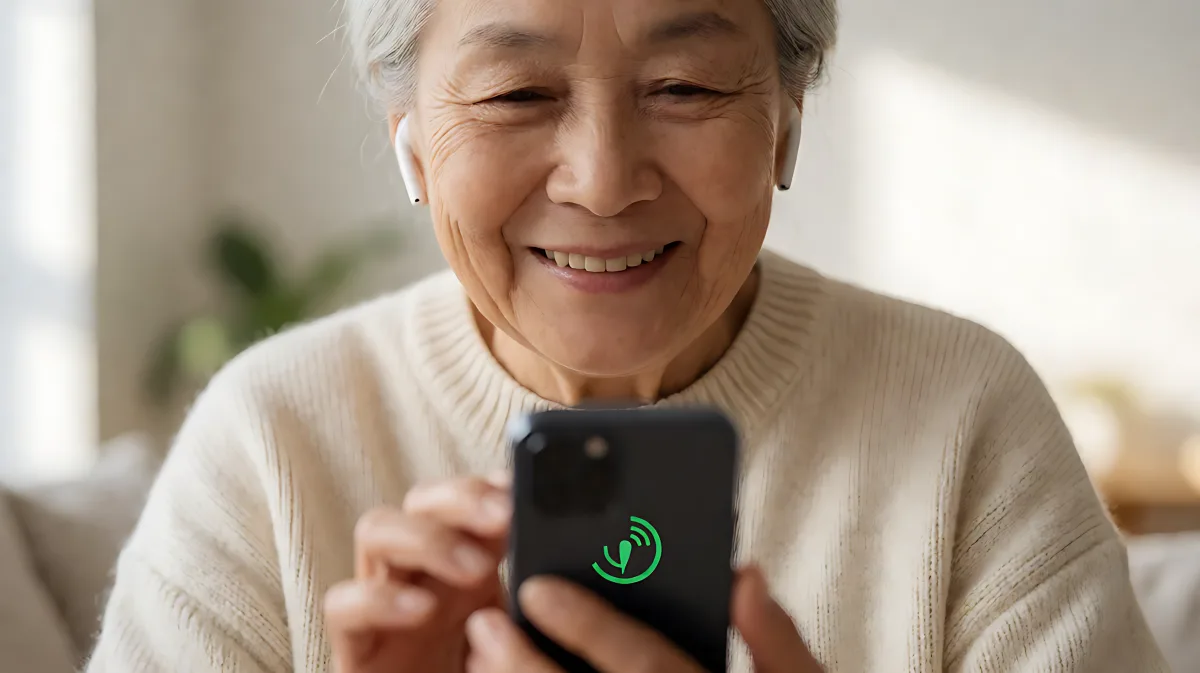
Voice biometrics offers a robust, user-friendly way to secure seniors' digital lives. Here is how this technology works and why it is essential for elder protection in 2026.
Voice bio authentication is a secure, convenient method for verifying a senior’s identity by analyzing unique vocal characteristics like pitch and timbre. It reduces fraud risk and simplifies access to banking and healthcare services, offering a robust shield for the elderly in the digital age.
Why is voice biometrics ideal for senior security?
Traditional security methods often rely on passwords, PINs, or physical cards, which can be difficult for older adults to manage. As cognitive changes occur with age, remembering complex credentials becomes a significant barrier. Voice biometrics solves this by using a person's voice as a unique identifier. The National Council on Aging reports that approximately one in ten Americans aged 60 and above experience some form of elder abuse annually, with financial fraud being a major component. By implementing voice-based verification, institutions can create a layer of security that is hard for scammers to bypass while remaining accessible to users who may struggle with traditional digital interfaces.
How does voice recognition work technically?
The technology analyzes specific acoustic features of a human voice that are determined by the physical structure of the vocal tract and individual speech habits. Modern systems utilize advanced artificial intelligence models to process these variables in real-time. Unlike a password, which can be stolen or guessed, a voiceprint is inherent to the individual. In 2026, machine learning algorithms have reached a level of accuracy that can distinguish between a genuine live speaker and a recorded voice or an AI-generated impersonation, significantly enhancing security against sophisticated phishing attempts.
What are the key benefits for elderly users?
Implementing voice authentication offers more than just security; it empowers seniors with greater independence and ease of use.
- Proof-of-Life Verification: Pension and benefits programs often require recipients to confirm their status periodically. Voice biometrics allow seniors to complete these checks via a simple phone call from home, eliminating the need for inconvenient travel or physical visits to government offices.
- Reduced Digital Friction: For users who find typing on small screens or remembering multi-factor authentication codes difficult, voice is a natural and intuitive interface. It bridges the digital divide by making essential services accessible without requiring advanced technical skills.
- Enhanced Autonomy: Being able to access banking or healthcare services independently boosts self-esteem and reduces the burden on family members or caregivers who might otherwise assist with digital tasks.
How can families implement voice biometrics securely?
Adopting this technology requires careful selection of providers and proper configuration to ensure safety and reliability.
Step 1: Select a reputable provider
Not all systems offer the same level of security. Choose providers that employ multi-model AI validation to ensure accuracy. For instance, systems that cross-validate using different acoustic architectures provide robust protection against spoofing. It is crucial to select vendors with strong data privacy policies to ensure voiceprints are stored securely.
Step 2: Enroll the user’s voice profile
The setup process involves the senior speaking a series of phrases or sentences. This creates a unique voiceprint that serves as their digital key. The enrollment process should be simple and guided, often requiring only a few minutes on a standard phone or tablet.
Step 3: Test and verify the system
Before full deployment, the system must be tested to ensure it accurately recognizes the authorized user and rejects unauthorized voices. This includes testing against recorded audio to confirm the anti-spoofing measures are active.
Step 4: Monitor and update regularly
Voice characteristics can change slightly due to health conditions or aging. Regular monitoring allows the system to adapt and maintain accuracy. Providers should offer tools to update voiceprints as needed to prevent lockouts.
What factors should you consider when evaluating systems?
When choosing a voice biometrics solution for a senior, evaluate the following criteria to ensure a safe and user-friendly experience.
- Accuracy Rates: The system should have a low false rejection rate so that the senior’s voice is not unexpectedly blocked, causing frustration.
- Security Protocols: Look for systems that use encrypted storage for voiceprints and have active detection for replay attacks or synthetic voice cloning.
- User Interface Design: The integration should be seamless, ideally working over standard phone calls without requiring the installation of complex new software.
- Customer Support: Access to patient, multilingual support is vital, especially for troubleshooting or re-enrollment if a voiceprint becomes invalid.
How does this technology prevent fraud?
Voice biometrics acts as a primary barrier against identity theft. Fraudsters find it extremely difficult to replicate the unique timbre and cadence of a specific individual. In 2026, advanced systems can detect the subtle audio artifacts present in AI-generated voice clones or high-quality recordings. This technology is particularly effective in preventing account takeover attempts on financial institutions and government portals, where seniors are disproportionately targeted by scammers.
What about privacy concerns?
Privacy is a paramount concern with biometric data. Reputable providers adhere to strict data protection regulations, ensuring that voiceprints are not used for other purposes or sold to third parties. The technology should be designed with privacy-by-principle, processing data locally on the device where possible to minimize exposure to network breaches.
FAQ
Is voice biometrics safer than passwords for seniors?
Yes, because it is harder to steal. Unlike passwords, which can be shared, written down, or guessed, a voiceprint is inherently unique to the individual and changes in ways that make it difficult to duplicate without the person's physical presence.
Can scammers use AI to clone a senior's voice?
While AI voice cloning exists, modern biometric systems in 2026 include anti-spoofing measures. These tools can detect the spectral characteristics of synthetic audio and live-speak challenges that require real-time interaction, making it very difficult for scammers to bypass the security.
Do I need a special device to use voice authentication?
No. Most voice biometrics solutions are integrated into standard mobile phones or landlines. The senior only needs to speak into the device's microphone during the verification process, making it accessible without requiring new hardware.
How often do I need to update the voiceprint?
Generally, you only need to update it if the senior's voice changes significantly due to health issues or aging. Most systems have an adaptive feature that slowly updates the profile over time, but a manual re-enrollment may be necessary if the user experiences frequent login failures.