Arthritis Adaptive Tools: Best Kitchen & Dressing Aids
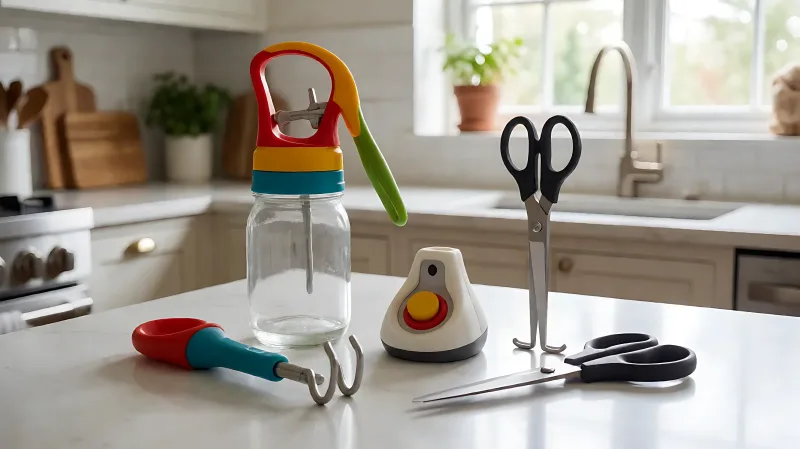
Struggling with grip strength or joint pain? These specialized adaptive tools make daily tasks easier. Explore the best devices for opening jars, buttoning shirts, and cooking independently.
Adaptive tools for arthritis simplify daily tasks by reducing grip strength requirements and minimizing joint stress. These ergonomic devices, ranging from kitchen gadgets to dressing aids, enable older adults to maintain independence and safety at home.
For more information, see NIA healthy aging resources from the National Institute on Aging.
Why do adaptive tools matter for older adults with arthritis?
Arthritis affects more than 30 million adults in the United States, according to the Centers for Disease Control and Prevention (CDC). Joint pain often makes simple motions, like turning a doorknob or opening a spice jar, difficult and painful. Adaptive tools are designed with larger handles, lighter materials, and lever mechanisms that reduce the force needed to perform tasks. By offloading stress from the fingers and wrists, these tools help users stay active and confident. The National Institute of Health (NIH) recommends using assistive devices to preserve joint function and prevent compensatory injuries to other parts of the body.
What are the best kitchen gadgets for weak hands?
The kitchen is often the first area where arthritis limits independence. Standard utensils can be too small or heavy for sore joints. Fortunately, several ergonomic designs solve these common problems.
How do jar openers improve grip strength?
Traditional jar lids require significant rotational torque, which strains the wrist and elbow. Modern adjustable jar openers use a lever or screw mechanism to increase grip surface area. Users can tighten the strap around the lid and apply gentle pressure with the palm rather than the fingers. A popular model, the Otstar Jar Opener, has over 21,500 customer reviews with a 4.3-star average rating, highlighting its effectiveness for seniors and those with limited mobility. These tools typically cost between $15 and $30 and are available at most home goods retailers.
Which cutting tools are easiest to hold?
Cutting vegetables and fruit requires a firm pinch grip, which is difficult for many arthritis patients. Chef’s knives with larger, contoured handles reduce the need for squeezing. Some brands offer knives with silicone grips that provide extra cushioning. Long-handled peeler tools and can openers with extended handles also help keep the hand away from sharp edges and reduce fatigue. The American Orthopaedic Society recommends choosing tools with non-slip grips to prevent drops and hand injuries.
How do dressing aids help with buttoning and zipping?
Getting dressed can be a daily challenge when finger dexterity declines. Small buttons are nearly impossible to manipulate with swollen joints. Adaptive tools offer clever mechanical solutions to these tasks.
What is a button hook and how does it work?
A button hook is a simple wire or plastic tool that loops around a button to pull it through the buttonhole. It requires no strength, only a gentle sliding motion. A similar tool is the zipper pull assist, which attaches to the zipper tab to make it easier to grasp. These devices are lightweight, inexpensive, and can be used in one hand. A standard button hook measures approximately 7.25 inches and typically costs under $10. They are often sold in multi-packs, making them ideal for caregivers or households where multiple family members need assistance.
Which daily living aids improve personal hygiene?
Beyond the kitchen and wardrobe, hygiene tasks like brushing teeth and shaving can be tiring. Long-reach shavers and toothbrushes with extended handles allow users to reach their mouths without raising their arms or bending. These tools are particularly helpful for individuals with shoulder or neck arthritis. The Consumer Product Safety Commission (CPSC) advises checking that all adaptive tools have secure, non-slip grips to prevent accidental slips in the bathroom, a high-risk area for falls.
Are there tools for eating and drinking?
Utensils with built-up handles, known as adaptive cutlery, make eating more comfortable. Bowls with high sides prevent spills, and weighted cups help stabilize drinking for those with hand tremors. These items are widely available in medical supply stores and can often be covered by insurance or Medicaid depending on individual health plans and provider recommendations.
How do I choose the right adaptive tools for my needs?
Selecting the right tool depends on the specific joints affected and the level of pain. It is best to start with the simplest solutions and upgrade if necessary. Occupational therapists can provide personalized assessments and recommend specific brands and models. Look for products with universal design in mind, ensuring they are easy to clean and durable. When shopping, check for customer reviews that mention grip comfort and ease of use. Many medical supply companies offer trial periods or return policies for unused items, allowing users to test tools before committing.
Can Medicare cover adaptive tools?
Medicare may cover certain assistive devices if they are medically necessary and prescribed by a healthcare provider. Items like reachers and long-handled shoe horns are often considered durable medical equipment. However, decorative or purely convenience-based tools usually must be paid for out of pocket. Always check with your specific insurance plan or contact the supplier to verify coverage details.
Frequently Asked Questions
Do adaptive tools make a noticeable difference in pain?
Yes, many users report significant relief. By reducing the force needed for tasks, adaptive tools lower inflammation and stiffness. Studies in ergonomics show that increased handle size can decrease muscular effort by up to 50 percent for individuals with rheumatoid arthritis.
Where can I buy durable adaptive tools?
You can purchase these items at specialized medical supply stores, major retail chains, and online marketplaces. Look for brands that specialize in ergonomic design. Many hospitals and senior centers also have catalogs available for home ordering.
Are these tools suitable for people with hand tremors?
Yes, weighted utensils and non-slip grips are specifically designed to help with tremors by adding stability. The extra weight helps dampen the shaking motion, making it easier to hold and control the tool.
How should I care for my adaptive tools?
Follow the manufacturer’s cleaning instructions, which usually involve wiping with mild soap and water. Ensure the tools are completely dry before storing them to prevent rust on metal parts. Regular inspection for wear and tear is also recommended to maintain safety and functionality.