Top Home Rehab Tools for Injury Recovery
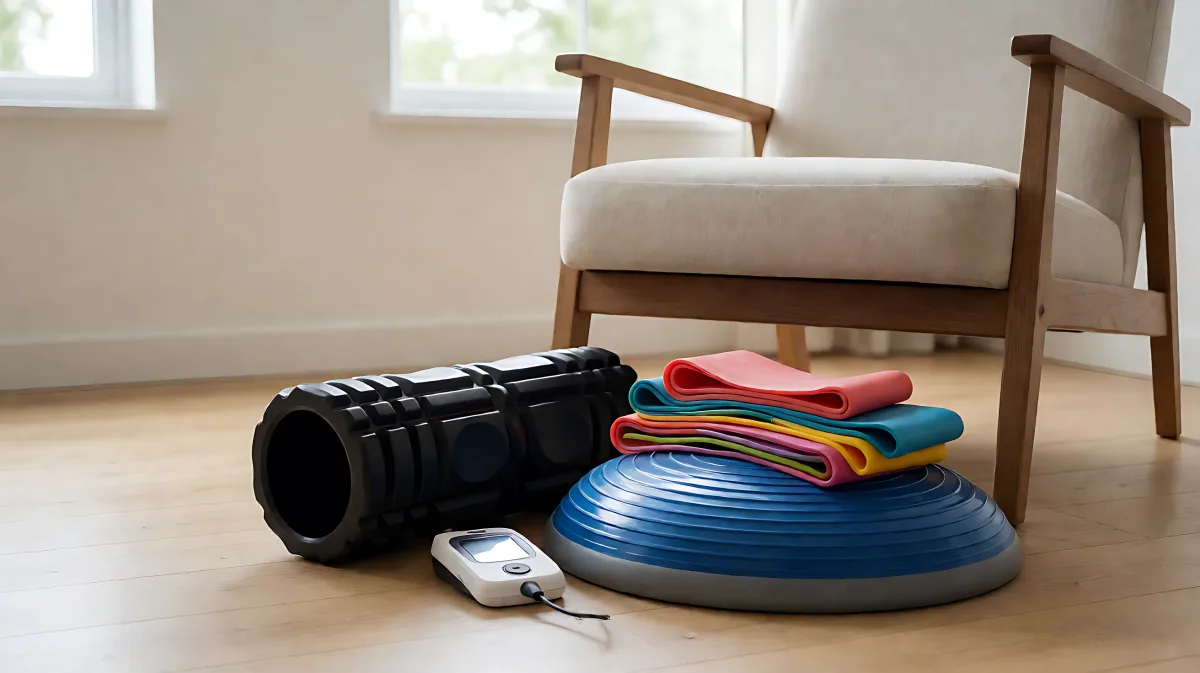
Regain independence with the right home rehab tools. Learn which equipment addresses specific mobility goals, how to safely build a routine, and common myths that slow recovery.
Effective home rehabilitation relies on consistent use of targeted equipment rather than expensive, bulky machines. The most useful tools for 2026 include resistance bands, balance pads, and lever-based stretchers that address specific mobility deficits. Physical therapists emphasize that consistency with simple devices yields better results than complex routines using premium gear.
What Are the Most Effective Rehab Tools for Home Use?
Home rehabilitation equipment is designed to bridge the gap between clinic sessions and daily life. These tools support strength, flexibility, and balance without requiring professional supervision for every rep. The right device depends entirely on your specific injury or post-surgical goal, whether that is restoring shoulder range of motion or improving gait stability.
How Do Lever-Based Stretchers Improve Mobility?
Specialized lever tools allow users to apply controlled tension to stiff muscles. Devices like the ShoulderFlex from Rehab HQ use mechanical leverage to target the rotator cuff in various arm positions. This approach is particularly beneficial for individuals recovering from neurologic injuries or shoulder surgeries, as it isolates specific muscle groups without requiring heavy assistance.
Which Tools Target Lower Back and Hip Pain?
Lower body stiffness often radiates into the hips and glutes. The ProStretch Z is designed to address tightness in the piriformis and sciatica pathways by boosting flexibility and strength simultaneously. For comprehensive back health, traction-based tools such as the CoreStretch keep the spine aligned while elongating muscles, tendons, and ligaments in the hamstrings, shoulders, and hips.
How Do You Build a Safe Home Rehab Routine?
Building a routine requires a structured approach to avoid injury and ensure measurable progress. Many patients assume that intensity leads to faster results, but in fact, physical therapists recommend starting with just five to ten minutes of gentle movement daily to restart the healing process without triggering protective muscle spasms.
- Identify your primary deficit: Is it pain, lack of range of motion, or weakness?
- Perform a basic mobility drill: Use a stretch strap for gentle reaching or ankle circles for lower leg health.
- Incorporate resistance: Add resistance bands for 3 to 5 repetitions of light resistance exercises.
- Train balance: Use a wobble board or balance pad for one to two sets of standing stability drills.
- Apply recovery care: Use a foam roller for two to five minutes on tight areas or a cold pack for acute inflammation.
What Is the Best Frequency for Home Therapy?
Consistency is the single most important factor in successful recovery. Aim for sessions four to six days per week. Short, daily interactions with your equipment create neuromuscular adaptations that longer, sporadic sessions cannot. A ten-minute daily habit is more effective than a one-hour session once a week.
How Do You Choose the Right Equipment for Your Budget?
You do not need to spend a fortune to see results. The market offers a tiered approach to rehabilitation tools. Basic needs can often be met with household items, while specific clinical goals may require dedicated equipment.
What Are Affordable Options Under Fifty Dollars?
For budget-conscious patients, resistance bands, full-size foam rollers, and hand therapy putty are excellent starting points. These items typically cost between ten and fifty dollars and address a wide range of strength and flexibility goals. Water bottles can serve as light weights, and chairs can be used for step-up exercises, making initial costs nearly zero.
When Is Premium Equipment Worth the Investment?
Advanced users or those with chronic conditions may benefit from premium tools. TENS units, which deliver transcutaneous electrical nerve stimulation, can help manage chronic pain signals. Mini stationary bikes and electronic massagers offer convenience for those who struggle to initiate movement due to fatigue or depression. These devices are most effective when used in conjunction with professional guidance.
What Common Myths Slow Down Home Recovery?
Misconceptions about home therapy often lead to frustration and abandonment of the routine. It is critical to address these myths early in the process.
Does Home Exercise Replace Professional Therapy?
Many patients assume that home exercises are pointless without a professional present, but in fact, most physical therapists agree that consistency at home determines about seventy percent of rehabilitation success. The clinic provides the prescription, but the home provides the execution.
Is Mild Pain a Sign of Failure?
Pain perception is subjective and often misunderstood. Mild discomfort or a stretching sensation is normal during flexibility exercises. However, sharp, shooting pain indicates a need to stop and reassess the movement pattern. Always listen to your body and reduce intensity if pain exceeds a three out of ten level on the discomfort scale.
How Can You Monitor Your Progress Effectively?
Tracking your recovery allows you to adjust your routine as you improve. Keep a simple diary logging your daily activities, pain levels on a scale of zero to ten, and any new milestones. Review this data monthly with your healthcare team. Apps and smartphone reminders can also help maintain the habit of daily movement, ensuring that you do not skip sessions during busy work weeks.
Frequently Asked Questions About Home Rehab Tools
Can I do home rehab without any equipment?
Yes. Many bodyweight and flexibility exercises require no special tools. A mat or towel and some open space are sufficient for basic routines. However, adding resistance bands or a foam roller often enhances results by providing specific tension and feedback.
How do I pick the right rehab tool for my specific issue?
Match your main goal to the tool. For pain relief, look at cold packs or TENS units. For flexibility, choose stretch straps or lever-based tools. For strength, select resistance bands. For balance, use wobble boards or pads. Consulting your therapist can confirm the best choice.
Is home rehab safe for older adults?
It can be safe and highly beneficial, but it requires caution. Combining strength and balance work reduces fall risk by up to thirty percent in older populations. Always consult with a doctor before starting a new routine, especially if you have a history of heart conditions or balance issues.
How long before I see results from home therapy?
Most users report initial improvements in stiffness and mood within two to four weeks of consistent daily use. Significant functional gains, such as walking without pain for twenty minutes or regaining full hand strength, typically take six to twelve weeks depending on the severity of the initial injury.