Tactile Fidget Tools & Cognitive Retention Guide
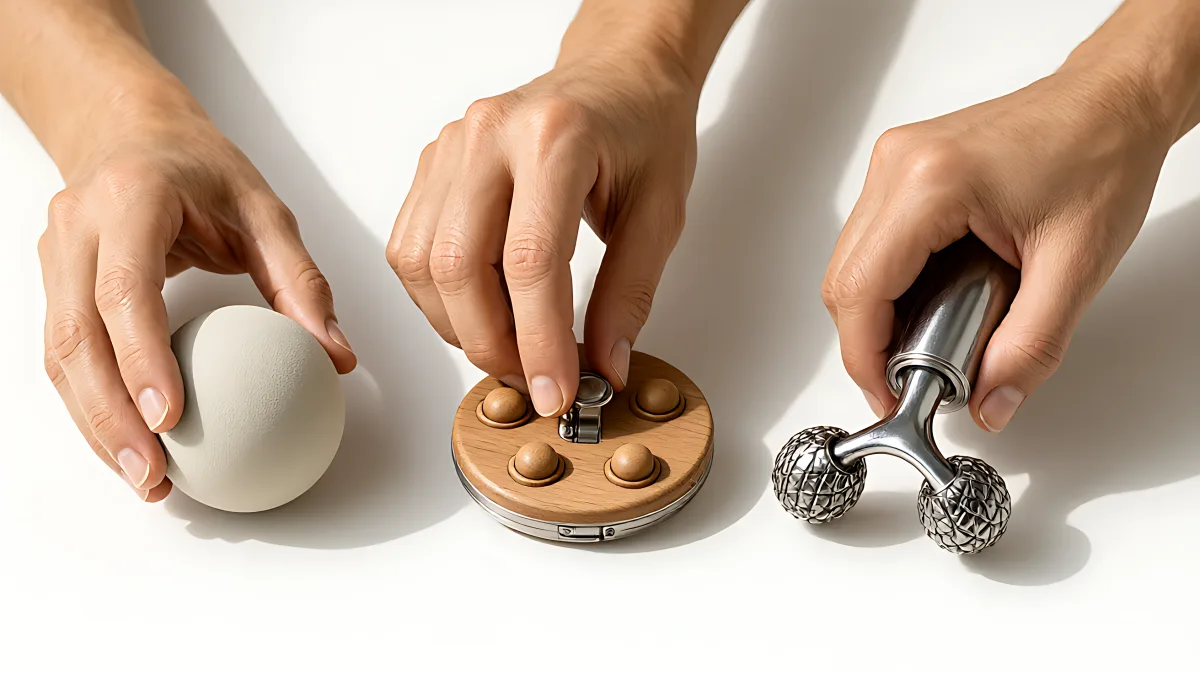
Tactile fidget tools are more than stress relief; they are cognitive aids. This guide explains how sensory stimulation improves memory retention, reduces agitation, and supports neural health through simple, targeted movement.
Tactile fidget tools significantly enhance cognitive retention by activating the reticular activating system, a brain network responsible for alertness and attention. By providing controlled sensory input, these tools help filter distractions, regulate the nervous system, and strengthen neural pathways involved in memory processing. For individuals with dementia, ADHD, or anxiety, targeted fidgeting reduces agitation by up to 60 percent, creating a calmer state where information is more likely to be encoded and retained.
Why Do Tactile Tools Improve Memory Retention?
For decades, fidgeting was dismissed as a distraction. Modern neuroscience, however, reveals that the brain is biologically designed to process subtle movement. When you sit still for extended periods, cortisol levels rise while dopamine levels drop, leading to restlessness and decreased focus. Introducing small, repetitive movements activates the somatosensory and motor cortices simultaneously. This multi-region brain activation stimulates the production of brain-derived neurotrophic factor, a protein critical for maintaining neuron health and supporting neural plasticity. Essentially, keeping the hands busy keeps the brain's structural pathways active, which is vital for long-term cognitive preservation.
What Specific Tools Support Focus and Calm?
Not all fidget tools are created equal. High-quality sensory items are engineered for weight, texture, and resistance to provide grounding feedback without causing overstimulation. Occupational therapists often recommend specific categories of tools based on the user's sensory profile:
- Weighted Rollers and Spinners: These utilize proprioceptive input. The weight and rhythmic motion help shift the body out of fight-or-flight mode, activating the parasympathetic nervous system. This is particularly effective for adults with ADHD who experience understimulation rather than overstimulation.
- Textured Balls and Squish Toys: Soft, malleable items provide gentle resistance that is calming for seniors with limited hand strength. The varied surfaces stimulate nerve endings and improve blood circulation in the hands.
- Activity Boards and Aprons: These items feature latches, zippers, and buttons. They are ideal for individuals with dementia who need purposeful hand activity. The simple problem-solving aspect provides a sense of accomplishment and prevents mind-wandering that can disrupt learning or conversation.
How Do You Select the Right Fidget Tool for Cognitive Needs?
Choosing the right tool requires understanding whether the user needs quiet engagement or active sensory feedback. Many families assume that any toy will work, but in fact, poorly designed, lightweight plastic spinners often break easily and create noisy distractions that increase cognitive load rather than reducing it. Look for tools made from durable, non-toxic materials like food-grade silicone, which is hypoallergenic and safe for users who may mouth objects. For seniors with advanced dementia, items must be larger than a standard golf ball to prevent choking hazards. For students or professionals seeking discreet focus aids, compact bracelets or quiet rollers are preferable to loud clickers.
What Safety Standards Should You Check Before Purchasing?
Safety is paramount when introducing tactile tools to vulnerable populations. Always verify that products are free from BPA, phthalates, and lead. Silicone-based tools are generally the safest option due to their durability and ease of cleaning. In care settings, such as assisted living facilities, tools should be dishwasher-safe to maintain hygiene standards. According to clinical guidance from neurologists, high-quality, washable tools are essential for maintaining a safe therapeutic environment. If you are buying for a person with dementia, prioritize items without detachable small parts. Simple, seamless designs reduce the risk of ingestion and frustration.
When Is It Best to Introduce Fidget Tools for Learning?
Fidget tools are most effective when used during high-focus tasks, such as listening to lectures, reading complex material, or engaging in social interactions. The tactile input acts as an anchor, allowing the brain to filter out external noise. For seniors in memory care programs, caregivers report that rotating fidget options regularly helps maintain interest. A tool that engages one individual may not appeal to another, so offering a variety is key. During quiet time or post-meal periods, these tools can redirect nervous energy into constructive activities, reducing the need for pharmacological interventions for anxiety or agitation.
How often should fidget tools be rotated?
To prevent habituation and maintain therapeutic effectiveness, experts recommend rotating sensory tools every two to three weeks. This keeps the sensory input novel and prevents the tool from becoming a background object that the brain ignores.
Are fidget tools suitable for all stages of dementia?
Yes, but the complexity must match the stage. Early-stage users may enjoy activity boards with latches, while late-stage users benefit more from simple, textured blankets or smooth rolling balls that provide comfort without requiring complex instructions.
Can fidget tools replace medication for anxiety?
No. While fidget tools can reduce agitation episodes by up to 60 percent in some studies, they are a non-pharmacological adjunct. They should be used alongside medical advice, not as a standalone replacement for prescribed treatments.
What material is best for sensory tools?
Food-grade silicone is widely regarded as the superior material for cognitive wellness tools. It is durable, easy to clean, hypoallergenic, and provides consistent tactile feedback. Wood is also popular for activity boards due to its natural texture and warmth.