What to Do If You Accidentally Double Dose Medication
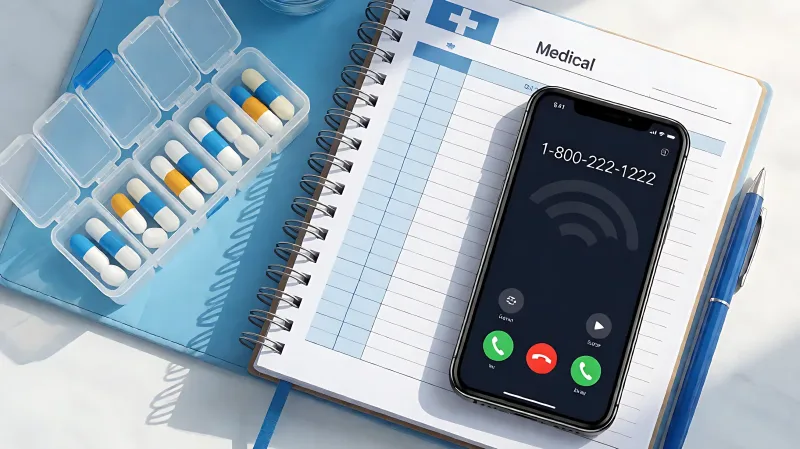
Taking a double dose can be dangerous for blood pressure, diabetes, and ADHD medications. Here is how to respond immediately and prevent future errors.
Accidental double dosing is a common error that can lead to serious health complications. If you take too much medication, call the Poison Control Center at 1-800-222-1222 immediately for free, confidential expert advice. Do not wait for symptoms to appear, especially with heart, diabetes, or psychiatric drugs, where small dosage errors can trigger severe reactions.
For more information, see NIA health information for older adults from the National Institute on Aging.
What should you do immediately after a double dose?
Your first step is to gather information. Find the medication bottle or packaging to identify the specific drug, strength, and the time the dose was taken. If a caregiver is involved, determine exactly when the first and second doses were administered. The US National Poison Control System operates 24 hours a day, so expert guidance is always available. Do not induce vomiting unless specifically instructed by a medical professional, as this can cause further injury or aspiration.
How can I determine if the extra dose is dangerous?
Not all medications carry the same risk. Double dosing can be harmless for some supplements but critical for others. Medications with a narrow therapeutic index, such as those for epilepsy, anticoagulation, or organ transplants, offer very little room for error. Long-acting formulations are particularly risky because the medication continues to build up in the system for many hours. For instance, a double dose of long-acting bupropion can cause seizures for an extended period after ingestion. A recent study in the Clinical Toxicology journal noted that even single double-dose ingestions of certain drugs require monitoring in emergency settings to prevent adverse outcomes.
Which medications pose the highest risk?
Several classes of drugs are flagged by the Institute for Safe Medication Practices and the American Association of Poison Control Centers as high-risk for double dosing. These include:
- Cardiovascular drugs: Medications for high blood or heart issues can cause dangerous drops in blood pressure or heart rate.
- Diabetes medications: Overdosing on insulin or oral hypoglycemics can lead to severe hypoglycemia, which may result in confusion, loss of consciousness, or seizures.
- Psychiatric medications: Drugs for depression, anxiety, or ADHD can cause agitation, rapid heart rate, or seizures when doubled.
- Pain relievers: While aspirin and ibuprofen have high therapeutic limits, opioid double dosing can suppress breathing, a life-threatening condition that requires immediate emergency intervention.
Elderly patients are at higher risk due to polypharmacy. Research published in the Journals of Gerontology indicates that adults over 65 take an average of four medications daily, and half of this group meets the definition of polypharmacy, taking five or more drugs. This complexity increases the likelihood of accidental duplication, especially when multiple caregivers are involved.
Who is most vulnerable to medication errors?
Seniors and patients managed by multiple healthcare providers are most vulnerable. When family members, hospital staff, and pharmacists are not communicating, duplicate prescriptions or doses are likely. The Agency for Healthcare Research and Quality (AHRQ) highlights that clear communication protocols and single-responsibility systems are critical to preventing these errors in home settings.
How can I prevent double dosing in the future?
Establishing a consistent system for tracking medications is the most effective way to prevent accidental overages. You do not need complex technology; simple organizational habits can eliminate most risks.
- Assign a Single Caregiver: Designate one person to be responsible for administering specific medications. If you live alone, use reminders. If you have a home aide, ensure they and your family members use the same log.
- Use a Pill Organizer: Pill boxes with compartments for each day allow you to visually confirm if a dose has already been taken. Choose child-resistant models if small children are in the home.
- Keep a Log: Maintain a written record next to the medication. Every time a dose is given, write the time and the name of the person who administered it. This paper trail prevents "I thought they already took it" confusion.
- Set Digital Alarms: Use smartphone alarms or medication reminder apps to signal the exact time a dose is due. This prevents "catch-up" doses taken in a hurry when a scheduled time is missed.
When should I skip a missed dose?
Never take a double dose to make up for a missed one unless a pharmacist or doctor explicitly tells you it is safe for that specific medication. For most critical drugs, a single missed dose is less dangerous than a double dose. Consult your healthcare provider to establish a "missed dose" policy for each medication in your regimen.
Frequently Asked Questions
Is it safe to call poison control for a minor error?
Yes. The Poison Help Line is a free, confidential resource staffed by toxicologists and pharmacists. They assess the specific medication, the amount, and the patient's weight to determine if medical attention is needed. Calling is always the recommended first step when in doubt.
What are the signs of a medication overdose?
Signs vary by drug type but may include extreme drowsiness, confusion, rapid or slow heartbeat, difficulty breathing, vomiting, and loss of consciousness. In severe cases involving opioids or sedatives, blue lips or fingertips may indicate oxygen deprivation. Call 911 if the person is unresponsive or not breathing.
How do I talk to my doctor about my medication schedule?
Bring a complete list of all prescriptions, over-the-counter drugs, and supplements to your appointment. Ask specifically which medications have narrow safety margins and what you should do if a dose is missed. Your pharmacist can also provide a medication review to identify potential interactions and dosing conflicts.