Power Strip Safety Guide: Preventing Electrical Fires at Home
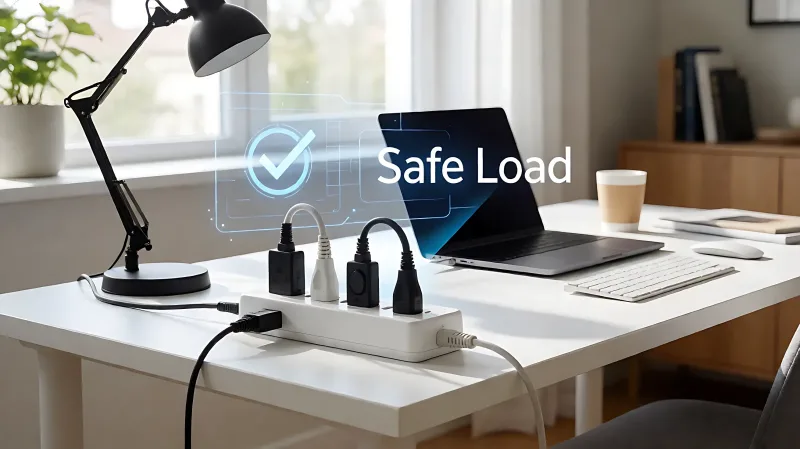
Overloaded power strips are a leading cause of home fires. This guide explains how to calculate your electrical load, recognize warning signs, and use surge protectors correctly to keep your family safe.
Overloaded power strips and faulty electrical outlets account for a significant number of annual home fires in the United States. The National Fire Protection Association (NFPA) and the Federal Emergency Management Agency (FEMA) report that residential electrical fires cause hundreds of deaths and billions of dollars in property damage each year. To prevent these hazards, you must understand your circuit's capacity, avoid chaining outlets, and install Ground Fault Circuit Interrupters (GFCIs) in wet areas.
For more information, see CDC travel guidance for older adults from the CDC.
How Do You Know If a Power Strip Is Overloaded?
Most consumer power strips are rated for a maximum load, typically between 1,800 and 2,000 watts. Exceeding this limit can cause the internal wiring to overheat, potentially leading to a fire. You can determine if you are overloading a unit by calculating the total wattage of the connected devices. For example, if you plug in a 60-watt lamp, a 65-watt laptop charger, and a 40-watt fan, your total load is 165 watts, which is well within the safe limit. However, high-wattage items like space heaters, hair dryers, or kitchen appliances can quickly exceed the strip's capacity.
Physical signs of an overloaded power strip include:
- Heat: The plastic casing feels unusually warm or hot to the touch.
- Tripping Breakers: The internal circuit breaker on the strip pops or the main breaker in your electrical panel trips frequently.
- Noises and Smells: Buzzing, crackling sounds, or the smell of burning plastic are immediate indicators of danger.
- Dimming Lights: Connected devices may flicker or operate at reduced efficiency due to voltage drop.
If you notice any of these signs, unplug the device immediately and remove it from service. According to the Electrical Safety Foundation International, more than 3,300 home fires originate from power strips and extension cords each year, many of which are preventable through basic load management.
What Is the Difference Between a Power Strip and a Surge Protector?
While they look similar, these two devices serve different purposes. A basic power strip simply distributes electricity from one wall outlet to multiple devices. It does not protect against power surges. A surge protector, on the other hand, contains built-in systems that divert excess voltage away from your sensitive electronics, such as computers and televisions. When shopping, look for the phrase "surge suppression" or a Joule rating on the packaging. Higher Joule ratings, such as 900 or 1,000, offer better protection against lightning strikes and grid fluctuations.
Surge protectors are generally more expensive than standard power strips because of the internal electronic components that safeguard your equipment. For high-value items, a surge protector is essential to prevent damage and costly repairs.
How Can You Prevent Electrical Fires at Home?
Preventing electrical fires requires a combination of proper placement, correct usage, and regular maintenance. The National Electric Code (NEC) and FEMA provide clear guidelines for safe household electrical practices.
Follow These Best Practices:
- Do Not Daisy-Chain: Never plug a power strip into another power strip or an extension cord. This creates a weak link in the chain that is prone to overheating.
- Use Cords Temporarily: Extension cords are for temporary needs, not permanent wiring. If you need a permanent extra outlet, hire a licensed electrician to install it.
- Keep Them Dry and Clear: Never use power strips near water, such as in kitchens or bathrooms, unless they are specifically designed for damp locations. Keep cords away from carpets and rugs to allow heat to dissipate.
- Check for Damage: Inspect your cords and plugs regularly. If you see fraying, cracks, or melted plastic, replace the device immediately.
Additionally, major appliances like refrigerators, dryers, and stoves should always be plugged directly into wall outlets. Using an extension cord for these high-draw items is a significant fire hazard that can overheat the cord.
Why Are GFCIs Important for Outlet Safety?
Ground Fault Circuit Interrupters (GFCIs) are a critical safety feature that cuts power to an outlet when it detects a change in current. This prevents electric shock, which is a major risk in areas where water and electricity intersect.
The National Electric Code requires GFCI protection in specific areas of the home:
- Bathrooms
- Kitchens near sinks
- Garages and unfinished basements
- Outdoor outlets
- Laundry areas
If you have older homes with standard outlets in these areas, consider replacing them with GFCI receptacles. Look for the test and reset buttons on the face of the outlet. Testing this button monthly ensures the safety mechanism is still functioning correctly.
What Are the Specific Risks for Seniors and Families?
For seniors and individuals with mobility issues, electrical safety is a vital component of healthy aging. A fire caused by an electrical fault can be particularly dangerous if it occurs at night or in a room where escape is difficult. The CDC and fire safety experts recommend that seniors and their caregivers regularly inspect their living environments for electrical hazards.
Common risks for this demographic include:
- Overuse of Extension Cords: Moving furniture or appliances without professional rewiring often leads to a reliance on long extension cords, which can be tripping hazards or fire risks.
- Ignorance of Warning Signs: Heat and faint smells may be missed or misinterpreted, leading to delayed reaction times.
- Non-Tamper-Resistant Outlets: In homes with grandchildren, non-tamper-resistant outlets pose a shock risk. The Consumer Product Safety Commission (CPSC) recommends installing these outlets to prevent children from inserting objects into the socket.
Education is key. Families should teach children not to pull cords by the wire but by the plug, and to avoid using electrical devices with wet hands.
How Should You Unplug Devices Safely?
It sounds simple, but many people unplug devices by pulling on the cord. This can damage the internal connection and create a short circuit. Always grasp the plug head firmly and pull it straight out of the socket. If the plug is difficult to remove, use a lever tool or the heel of your hand to apply even pressure. This simple habit prevents many minor electrical failures that can escalate into larger problems.
Frequently Asked Questions
How many devices can I plug into a single power strip?
There is no fixed number of devices; the limit is based on wattage. Add up the wattage of all connected devices and ensure the total does not exceed the power strip's rating, usually found on a label on the unit. For example, if your strip is rated at 1,800 watts, you should not plug in devices that total more than that amount.
Can I use a power strip for my space heater?
No. High-wattage heating elements, such as space heaters, should always be plugged directly into a wall outlet. The wire gauge in a standard power strip or extension cord is not designed to handle the continuous high draw of a heater, which poses a severe fire risk.
What does it mean if my power strip smells like burning plastic?
Unplug the strip immediately and do not plug it back in. A burning smell indicates that the internal components are overheating and degrading. This is a clear sign of an electrical fault that requires the device to be discarded and replaced.
Are surge protectors necessary for all appliances?
Surge protectors are most valuable for sensitive electronics like computers, TVs, and gaming consoles. They are not necessary for simple items like lamps or fans, which are less likely to be damaged by minor voltage spikes, though they offer no harm either.