Best Battery Backup Sump Pumps for Seniors & Basements
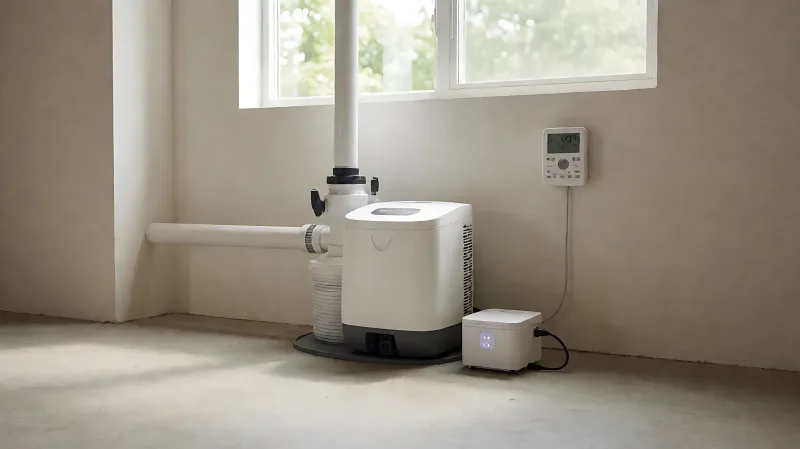
Discover how battery backup sump pumps protect basements during outages, ensuring safety and peace of mind for seniors and families alike.
A battery backup sump pump automatically activates when your main pump stops, protecting your basement from flooding during power outages. This system uses a deep-cycle battery and a secondary pump to remove water when the grid fails, providing critical safety for seniors who may not monitor basements daily.
For more information, see NIA health information for older adults from the National Institute on Aging.
How Does a Battery Backup Sump Pump Work?
Traditional sump pumps rely on household electricity to move groundwater away from your foundation. When severe storms cause widespread power outages, these primary pumps stop working, leaving the sump pit vulnerable to overflow. A battery backup system solves this by using stored energy to power a secondary pump or keep the main unit running.
The system typically includes a dedicated backup pump, a heavy-duty battery, a charger, and an automatic float switch. When water levels rise above a set threshold and utility power is lost, the backup pump engages instantly. It discharges water through the existing drainage pipe, ensuring continuous protection without requiring anyone to be home to start a generator.
Why Are Battery Backups Essential for Seniors?
For older adults, home safety often involves reducing the need for physical exertion and constant vigilance. Basement flooding is a leading cause of trips and falls, particularly in dark or wet environments where visibility is poor. A battery backup system provides automatic protection, removing the stress of manually starting equipment during a storm.
According to the Centers for Disease Control and Prevention (CDC), falls are the leading cause of injury death among older adults in the United States. While a sump pump is not a direct fall prevention device, preventing water from pooling in the basement eliminates a significant environmental hazard. Additionally, seniors may live alone and travel frequently. An automated backup system ensures that water damage is prevented even when no one is present to respond to alerts.
Senior-friendly features often include audible alarms that notify you of low battery status or high water levels. Some systems also send app-based notifications to a smartphone, allowing family members or caregivers to monitor the home remotely. This layer of monitoring helps maintain a healthy aging environment by reducing the anxiety associated with unpredictable weather events.
What Are the Different Types of Backup Systems?
Homeowners generally choose between two main configurations. The first is a dedicated battery-powered sump pump. This is a separate unit installed in or near the sump pit that only turns on during a power outage. The second is a battery and inverter system that powers your existing primary pump. Both methods offer distinct advantages depending on your specific drainage needs.
| Feature | Backup Pump | Powering Primary Pump |
|---|---|---|
| Redundancy | High (adds a second pump) | Standard (relies on primary pump health) |
| Capacity | Often high for overflow | Matches existing pump speed |
| Complexity | Requires two float switches | Single point of failure remains |
If your primary pump is aging or you experience frequent rain events, a dedicated backup pump is often the safer choice. It acts as a fail-safe, ensuring that even if the main motor fails mechanically, water is still pumped out by the secondary unit.
How Long Does a Sump Pump Battery Last?
The duration of backup power depends on the battery size, the pump wattage, and the amount of water entering the pit. A standard deep-cycle battery for a sump pump can typically provide 8 to 12 hours of operation under moderate load. Heavy-duty batteries, such as those found in systems like the Basement Systems UltraSump, can remove over 11,000 gallons of water on a single charge.
It is important to note that batteries are maintenance items. The Consumer Product Safety Commission (CPSC) recommends regular testing of backup systems to ensure functionality. Most experts advise running the backup pump for a few minutes each month to prevent battery sulfation and ensure the float switches are not stuck.
How Do You Choose the Right Backup System?
Selecting the right system requires evaluating your home's flood risk and your comfort level with technology. Consider the following factors before purchasing:
- Flood History: If your basement has flooded previously, prioritize a high-capacity backup pump with a loud alarm.
- Power Quality: If you have frequent minor outages, a system that automatically recharges is essential to keep the battery ready.
- Mobility: For seniors, choose systems with digital displays or app connectivity to monitor status from bed or a living room.
- Installation: Some systems require professional installation to ensure proper discharge routing and electrical safety. Hiring a licensed plumber or waterproofing contractor is often the safest route.
Always check the National Weather Service (NWS) forecasts before severe weather to ensure your system is fully charged and operational. While you cannot control the weather, you can control your home's response to it.
Frequently Asked Questions
Does a battery backup sump pump work automatically?
Yes, high-quality battery backup systems feature automatic float switches and power detection. They start the backup pump only when the main power is lost and water levels rise, then shut off when the pump clears the water and the battery reaches a safe charge level.
Can I use a car battery for my sump pump?
No, you should not use a standard car battery. Car batteries are designed for short bursts of high current, not deep cycling. A deep-cycle marine or industrial battery is required for sump pumps because it can handle repeated discharge and recharge cycles over many years.
How often should I test my battery backup system?
Experts recommend testing the backup system at least twice a year, usually before and after the rainy season. During these tests, manually activate the backup pump to ensure it runs and check the battery charge indicator to verify the charging circuit is working.
Are battery backup pumps safe for home use?
Yes, they are designed for residential use and meet safety standards for electrical and mechanical components. However, installation near water sources requires caution. Ensure all electrical connections are grounded properly and that the discharge pipe is not blocked to prevent backflow.