Oxygen Concentrator Power Strip Safety & Legal Risks
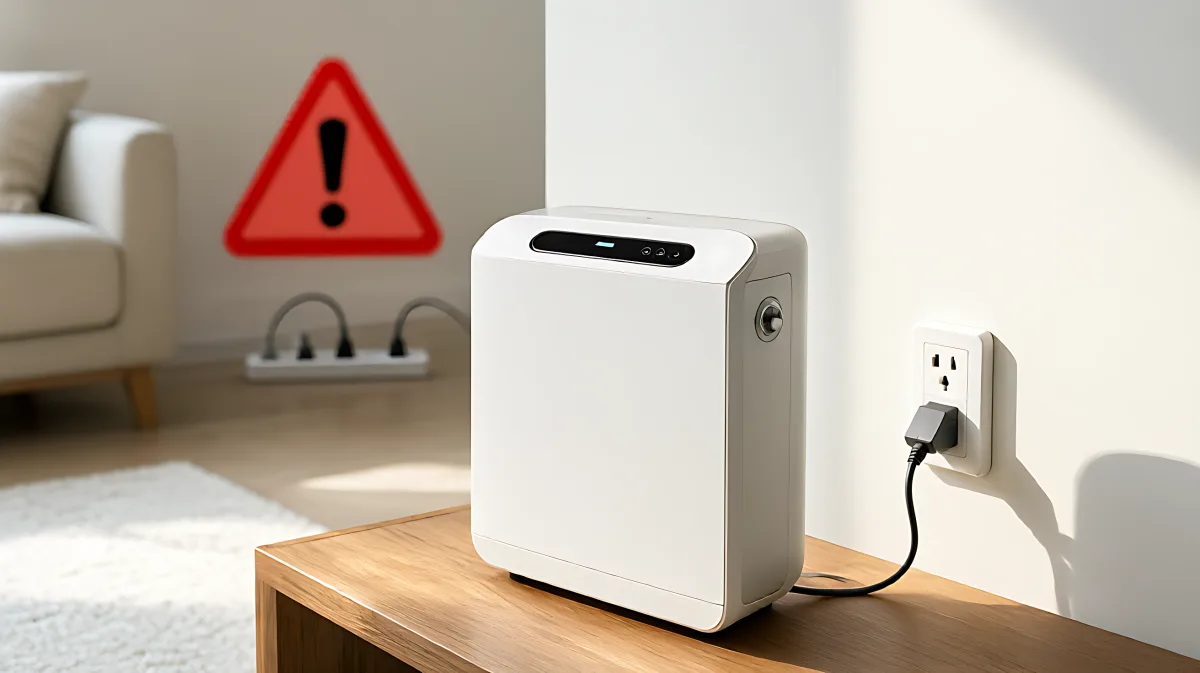
Plugging life-support equipment like a mobile oxygen concentrator into a power strip is a dangerous practice that violates standard medical safety guidelines. While convenient, power strips introduce electrical fluctuations and overheating risks that can compromise the device's reliability and pose a significant fire hazard in your home.
Plugging a mobile oxygen concentrator into a power strip is unsafe because it introduces electrical instability and fire risks that can compromise life-support functions. Regulatory agencies and medical suppliers strictly advise against using power strips for such devices, as the resulting liability for injury or fire falls on the user. Direct wall connection is the only compliant method.
Why is a power strip dangerous for medical oxygen devices?
Many families assume that any grounded outlet is safe for medical equipment, but in fact, power strips are designed for general electronics, not critical life-support systems. A power strip contains internal components that can fail under sustained load, leading to heat buildup. Since oxygen supports combustion, any electrical spark or overheating near a concentrator presents an extreme fire hazard. Copper Star Home Medical explicitly states that extension cords and power strips should not be used with concentrators. The device must be plugged into a properly grounded and polarized wall outlet that is not controlled by a switch or dimmer. This ensures a stable, uninterrupted power supply essential for the concentrator's continuous operation.
What are the specific electrical risks of daisy-chaining?
Overloading a power strip is a common cause of household fires. While some may not realize it, even a single high-wattage device can push a strip near its limit. According to Huntkey, a leading power distribution manufacturer, overloading strips leads to overheating, tripped circuit breakers, and permanent damage to sensitive electronics. For a patient using a mobile oxygen concentrator, a brief interruption in power due to a tripped breaker or strip failure could be life-threatening. Furthermore, medical equipment like concentrators and CPAP machines requires a consistent power source; fluctuations common in power strips can interfere with the device's internal sensors and flow rates.
How does improper use affect legal liability and insurance?
Using a power strip for medical equipment creates a clear standard of care violation that can significantly impact liability claims. If a fire or injury occurs, insurers and legal bodies will examine whether the user followed manufacturer and medical provider instructions. Copper Star Home Medical, a recognized home medical supplier, clearly instructs users not to use extension cords or power strips. Ignoring this explicit warning demonstrates negligence. In a litigation scenario, this deviation from standard practice makes it difficult for a user to argue against contributory negligence. While Medicare and other insurance providers cover the rental of durable medical equipment, they do not cover damages resulting from the misuse of that equipment. The 5-year reasonable useful lifetime rule for oxygen equipment, as defined by the Centers for Medicare & Medicaid Services, assumes proper installation and use. Misuse can void warranty and liability protections.
What are the financial costs of violating safety protocols?
When a user misuses a power strip, they assume the financial burden of any resulting damage. This includes the cost of replacing the oxygen concentrator, property damage from a potential fire, and medical costs. For Medicare beneficiaries, the out-of-pocket coinsurance for portable oxygen concentrators can range from $30 to $80 per month. If a power strip failure destroys the device, the patient is responsible for repairing or replacing it, as the loss was caused by user error rather than equipment defect. Additionally, if a fire spreads to the home, standard homeowner’s insurance policies may exclude coverage if an investigation finds that an electrical violation, such as improper daisy-chaining of critical devices, caused the incident.
How can you ensure your oxygen setup is safe and compliant?
To protect your health and your home, follow a strict safety protocol. You must eliminate all intermediate electrical components between the concentrator and the wall. Use a dedicated, heavy-gauge outlet located close to the device to prevent the oxygen tubing from creating a tripping hazard. Ensure the room is well-ventilated and that the concentrator has at least three inches of space around it for airflow.
- Direct Connection: Plug the concentrator directly into a grounded wall outlet. Never use a power strip, extension cord, or surge protector unless specifically approved by the device manufacturer in writing.
- Distance from Flames: Keep all open flames, including candles and gas stoves, at least 10 feet away from the oxygen equipment. Oxygen supports rapid combustion, turning small sparks into large fires.
- No Petroleum Products: Do not use petroleum-based lotions or oils like Vaseline near your face while using oxygen. Use only water-based lubricants to prevent spontaneous combustion of the oil.
- Regular Inspection: Check the filter and tubing of your concentrator twice a week. A blocked intake filter can cause the motor to overheat, increasing the risk of electrical failure.
By adhering to these guidelines, you reduce the risk of fire, maintain the reliability of your life-support system, and protect yourself from legal and financial liability. If you are unsure about the grounding of your home’s outlets, consult a licensed electrician for a professional inspection.
Frequently Asked Questions
Can I use a surge protector instead of a power strip?
Generally, no. Surge protectors also introduce a connection point that can fail. Most oxygen concentrator manufacturers, including major brands, advise against using any intermediate device. The internal circuitry of a concentrator may not be compatible with the specific filtering or clamping voltages found in surge protectors, which could alter the oxygen flow rate or trigger device alarms.
What happens if my concentrator is not grounded?
A non-grounded outlet poses a shock hazard and can lead to the failure of the device’s safety mechanisms. The grounds pin in the plug allows fault currents to safely dissipate. If your home lacks proper grounding, you must hire an electrician to install a grounded outlet. You should never modify the plug of your concentrator by removing the ground pin, as this is a severe safety violation.
Does Medicare cover repairs if I accidentally use a power strip and break the device?
No. Medicare Part B covers the rental and medical repair of durable medical equipment only under normal conditions of use. If an investigation determines that the device was damaged due to user error, such as plugging it into an unauthorized power strip, the beneficiary is typically responsible for the repair or replacement costs. The 5-year useful life limit still applies, but misuse can trigger a claim denial for repair services.
How much space do I need around a mobile oxygen concentrator?
You need at least three inches of clearance on all sides of the unit to allow for proper air intake and heat dissipation. Placing the device on a bed or blanket is prohibited because the soft surface can block the ventilation openings, causing the motor to overheat and potentially leading to a fire.