Fire Hazard Prevention: Safety Guide
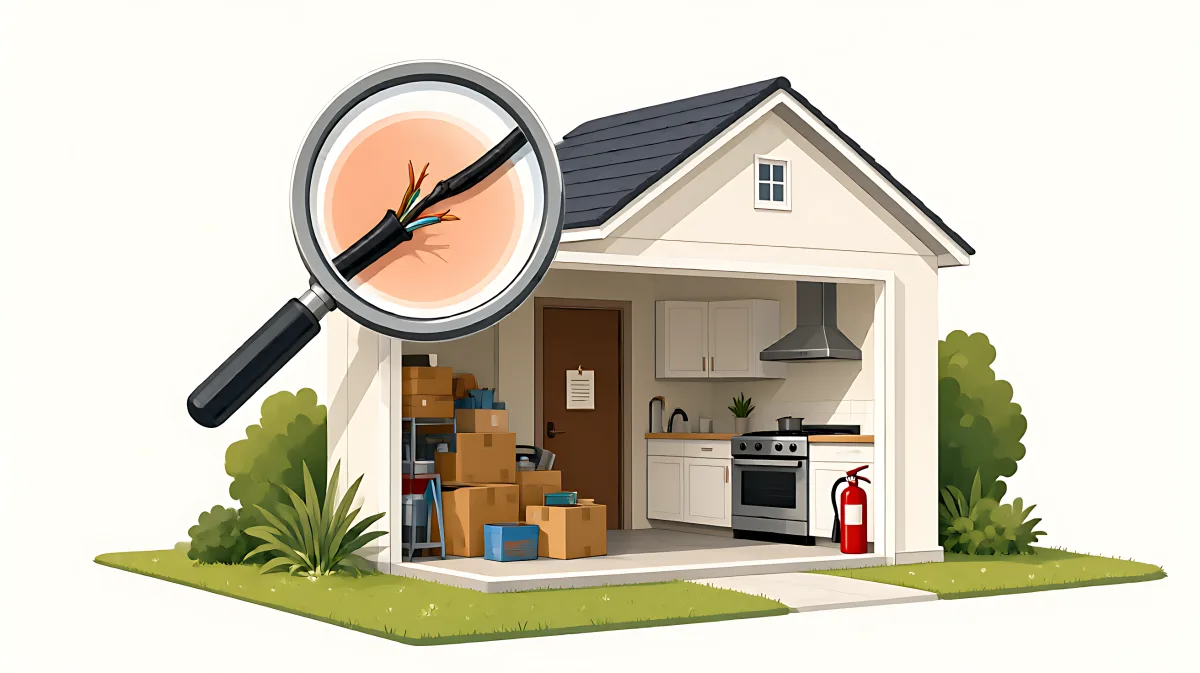
From overloaded circuits to unattended cooking, fire hazards are everywhere. This guide breaks down the science of the fire triangle, details ten common risks, and provides a verified action plan to protect your property and people.
Fire hazards remain a primary threat to life and property in the United States and United Kingdom. The core risk involves the convergence of heat, fuel, and oxygen. In 2026, the focus shifts toward proactive elimination of these elements through rigorous electrical inspections, strict flammable storage protocols, and structural fire-resilience upgrades. Effective prevention requires identifying specific ignition sources and maintaining reliable detection systems.
What Is the Science Behind Fire Hazards?
To understand risk, one must understand the fire triangle. This concept describes the three elements required for combustion to occur: an ignition source (heat), a combustible material (fuel), and oxygen. Any one of these elements must be removed to prevent or stop a fire. In residential and commercial settings, oxygen is rarely controllable, so safety strategies focus on managing heat and fuel. As of 2025, historical data from the National Fire Protection Association (NFPA) indicates that electrical issues and cooking activities are consistently the leading causes of structure fires in the US. This trend continues into 2026, where aging infrastructure and increased device density in homes are exacerbating electrical risks.
How Do Electrical Hazards Spark Fires?
Electrical faults are a leading cause of residential and workplace fires. The primary risks include overloaded circuits, damaged wiring, and the use of extension cords as permanent power solutions. In 2026, the proliferation of high-power devices like electric vehicle chargers and smart home hubs has placed new loads on older residential wiring. A frayed cord or a socket with loose connections can generate sufficient heat to ignite nearby dry materials. To mitigate this, residents and facility managers should schedule annual inspections by certified electricians. Using surge protectors and avoiding the daisy-chaining of power strips are critical preventive measures.
Why Are Flammable Liquids and Solids Dangerous?
Flammable materials present a distinct risk because they have low ignition points. Common household items like gasoline, paint thinners, and cleaning solvents can vaporize and ignite from a small spark. In industrial settings, chemical storage compliance is vital. Many families assume that storing flammable liquids in the garage is safe, but in fact, the garage is often the hottest and least ventilated part of the home, making it a prime location for vapor ignition. Best practice dictates storing these materials in designated, fire-resistant cabinets that are ground-bonded. Combustible solids like paper, wood, and textiles also fuel fire spread. Regular removal of clutter and dust from around machinery and heating units is essential to reduce fuel load.
What Role Does Structural Design Play in Fire Spread?
Building materials and ventilation directly influence how fast a fire grows. Poor ventilation can cause heat to build up, while combustible construction materials allow flames to spread rapidly. In 2026, building codes in many US states and UK jurisdictions are increasingly requiring fire-resilient cladding and improved compartmentalization. For existing homes, ensuring that escape routes are unobstructed and that fire-rated doors are installed in appropriate locations is crucial. Natural hazards, such as wildfires in dry climates, also fall under this category. For instance, in California, the Office of the State Fire Marshal updated Fire Hazard Severity Zone maps as of 2025, significantly changing which properties require specific defensible space measures under the 2026 enforcement cycle. Residents in these zones must maintain clear vegetation buffers around their structures.
How Can You Implement a Fire Prevention Checklist?
Proactive maintenance is the most effective control measure. Instead of reacting to a fire, you must systematically remove hazards. Below is a verified action list for homeowners and facility managers to implement in 2026:
- Electrical Audit: Inspect all visible wiring for fraying. Replace any power strips that are hot to the touch. Ensure outlets are not overloaded with multiple high-wattage devices.
- Flammable Storage: Move gasoline, solvents, and cleaning chemicals to a metal container in a well-ventilated area away from ignition sources. Never store these in living spaces.
- Heating Safety: Maintain at least a 3-foot clearance around space heaters and fireplaces. Clean furnace filters and check for creosote buildup in chimneys annually.
- Clutter Removal: Clear hallways, staircases, and exits of all combustible waste and personal items. This ensures rapid evacuation.
- Detection Systems: Test smoke alarms monthly. Replace batteries at least every year, and ensure detectors are installed on every level of the building, including inside bedrooms.
What Common Fire Myths Should You Correct?
Many residents assume that they will "smell" a fire before it becomes dangerous, but in fact, electrical fires often smolder without producing noticeable odors until they are significant. Relying on personal senses rather than functioning smoke detectors is a fatal mistake. Another misconception is that water is the best solution for all fires. For grease or electrical fires, water can cause the fire to explode or spread. In 2026, having a Class K extinguisher for kitchens and a Class C extinguisher for electrical equipment is recommended over relying solely on generic multi-purpose units. Additionally, many office workers believe that leaving the building during an alarm is enough; however, knowing the specific location of the fire extinguisher and the nearest safe exit is equally vital for initial response.
How Do Elder Care Facilities Manage Unique Fire Risks?
Elder care facilities face specific challenges due to resident mobility limitations and the use of medical equipment. The National Fire Protection Association reports that these facilities require specialized evacuation plans. The R.A.C.E. protocol is standard in 2026 training: Remove the person from danger, Activate the alarm, Contain the fire (close doors), and Extinguish or Evacuate. Because residents may have cognitive impairments, facility kitchens are often restricted to staff-only access to prevent unsupervised cooking. Regular drills that account for wheelchair users and those with limited hearing are essential. Staff must be trained in the PASS method for extinguisher use: Pull the pin, Aim at the base of the fire, Squeeze the handle, and Sweep side to side.
Frequently Asked Questions
How often should I test my smoke alarms?
Smoke alarms should be tested monthly to ensure they are functioning. The batteries should be replaced every 12 months, and the unit itself should be replaced every 10 years, as sensors degrade over time regardless of battery status.
What is the safest way to store flammable chemicals at home?
Flammable chemicals should be stored in approved, tightly closed containers within a ventilated, fire-resistant cabinet. Keep them away from heat sources, open flames, and electrical switches. Never store them in the bedroom or near the entrance of the home.
Do fire hazard rules differ for the UK and US?
While the core principles of fire prevention are similar, regulations vary. The US relies heavily on NFPA standards and local fire marshals, whereas the UK often follows Building Regulations Part B and guidance from the Health and Safety Executive. Both jurisdictions require regular inspections and compliance with local building codes for new construction and renovations in 2026.
What should I do if a fire starts in my kitchen?
If a grease fire starts, do not use water. Smother the fire with a lid or a fire blanket. Turn off the heat source. If the fire spreads or cannot be controlled, evacuate the building immediately and call emergency services. If you use an extinguisher, ensure it is rated for Class K (kitchen) fires.