Winter Floor Friction: How to Prevent Slips and Falls
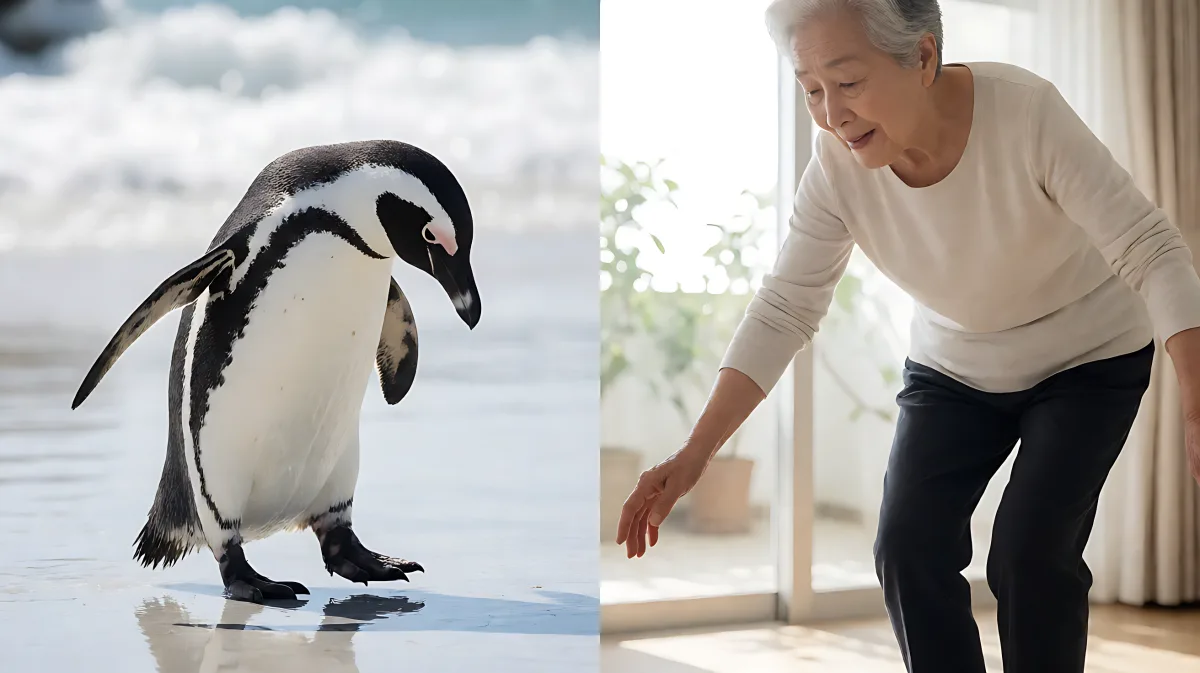
Winter weather drastically alters the coefficient of friction between your footwear and the floor. Learn how to adjust your gait and home environment to prevent serious slips and falls during the coldest months.
Winter weather changes the coefficient of friction on walking surfaces, significantly increasing the risk of slips and falls. To stay safe, adjust your gait by walking with bent knees and a wider stance, and ensure your footwear has deep, effective treads. According to the National Council on Aging, falls are the leading cause of injury for older adults, resulting in three million emergency room visits annually. Implementing specific environmental controls and gait modifications can dramatically reduce these risks during the cold season.
How Does Winter Alter Floor Friction and Traction?
The physics of slipping is governed by Newton's Laws of Motion, specifically the relationship between traction and momentum. A slip occurs when the friction between your shoe sole and the floor drops below the threshold required to support your weight. In winter, this friction is compromised by external contaminants such as ice, snow, mud, and water tracked into buildings. Smooth flooring materials, including marble, terrazzo, polished wood, and concrete, are particularly hazardous when these contaminants are present, as they offer minimal grip.
Outdoor surfaces present additional complexities. Curbs painted yellow or red for visibility often become extremely slick during rain or snow, creating a hidden hazard for pedestrians. Furthermore, reduced daylight hours in winter make it difficult to identify these low-friction zones, increasing the likelihood of a misstep. The cold itself can stiffen joints, reducing a person's ability to react quickly to a loss of balance.
Why Does Moisture Create Such a High Risk Indoors?
Many people assume that indoor floors are safe from winter hazards, but in fact, the transfer of moisture from the outside is the primary driver of indoor slips. When you step inside from the snow, your footwear deposits water and slush on the floor. If the flooring is not treated with a specialized non-slip finish, this water creates a thin film that drastically lowers traction. Research from safety committees indicates that wet shoes on dry floors are just as dangerous as dry shoes on wet floors because the water creates a hydroplaning effect at the micro-level.
What Is the 'Penguin Walk' and How Does It Prevent Falls?
The Special District Risk Management Authority (SDRMA) recommends a specific gait modification known as the 'Penguin Walk' to maximize stability on slippery surfaces. This technique is designed to keep your center of gravity directly over your feet, increasing the surface area in contact with the ground and maintaining traction.
To execute this walk correctly, follow these steps:
- Widen your stance: Keep your knees slightly bent and place your feet wider than shoulder-width apart.
- Engage your arms: Extend your arms slightly away from your body to act as counterweights for balance.
- Point your toes out: Slightly angle your feet outward to improve stability.
- Shuffle slowly: Take short, shuffling steps rather than long strides. This reduces momentum, meaning that if you do slip, the force of the fall is significantly lower, reducing the risk of serious injury.
This waddling motion is counterintuitive but highly effective. By reducing speed and increasing the footprint of each step, you prevent the 'sudden loss of traction' that causes most slips. It is a practical solution for when avoiding a slippery surface is not feasible.
How Can You Modify Your Footwear for Better Grip?
Footwear is the primary interface between the user and the floor. The depth and pattern of the tread are critical factors in maintaining friction. During winter, you should prioritize slip-resistant footwear with deep treads. Regular shoes with smooth soles or worn-out rubber offer little to no grip on icy or wet surfaces.
The National Council on Aging advises 'winterizing' your shoes by attaching spike-less ice and snowgrip covers to the soles. These covers provide a mechanical interlock with the ice or snow, increasing traction. For those who use mobility aids, such as canes, it is essential to attach ice gripper tips with spikes to the bottom of the cane to ensure it does not slide on frozen ground. Indoors, avoid walking in slippers without grip; instead, use non-slip socks or shoes with rubber soles.
What Environmental Adjustments Reduce Indoor Slip Hazards?
Controlling the environment is as important as adjusting your gait. Strategic placement of floor mats is one of the most effective ways to reduce the amount of water and debris entering a building. You should use a two-mat system at entryways:
- Outdoor Scraper Mat: Place a heavy-duty scraper mat just outside the entrance to remove large chunks of snow, ice, and mud from boots.
- Indoor Absorbent Mat: Place an absorbent mat inside to soak up the remaining moisture. Choose mats specifically designed to retain water rather than allowing it to seep through to the floor.
Additionally, ensure that all walking paths are well-lit. Winter brings earlier sunsets, which can make it difficult to see trip hazards like uneven pavement or loose rugs. Install motion-sensor lights in hallways and near entrances to maintain visibility. Keep your hands free when walking to allow for natural balance corrections; carrying heavy bags or keeping hands in pockets reduces your ability to react to a slip.
How Should You React If You Start to Fall?
Even with precautions, accidents can happen. The American Association of Retired Persons (AARP) teaches specific techniques to minimize injury if a fall becomes unavoidable. The goal is to protect the head and spine while using softer body tissues to absorb the impact.
If you feel your balance giving way:
- Stay Loose: Do not tense your muscles or become rigid. Rigid bodies are more prone to fracture upon impact.
- Protect Your Head: If falling backward, tuck your chin to your chest. If falling forward, turn your face to the side to protect your face and nose.
- Land on Flesh, Not Bone: If possible, fall sideways and land on your buttocks, thighs, or the side of your body. These areas have larger soft tissues that absorb impact better than wrists or arms. Using your hands to catch yourself is a common instinct, but it frequently results in fractures to the wrists and arms.
- Avoid Puncture Risks: Aim to land on grass or soft surfaces rather than hard, sharp objects.
FAQ
Are winter slippers safe to wear inside the house?
Not if they lack non-slip soles. Many winter slippers are made of smooth fabric or thin leather, which offer zero traction on wet or polished floors. Choose slippers with rubber non-slip soles, or wear shoes with grip on dry floors to prevent indoor slips.
Does salt work on all types of winter road surfaces?
Rock salt is effective on untreated asphalt and concrete, but it can damage painted surfaces and some types of pavers. Always check local recommendations for pet-safe and surface-appropriate ice melt products to avoid damage to your home's exterior and surrounding plants.
How much weight should I put on a cane or walker in winter?
Ensure your assistive device is secured properly with ice gripper tips before stepping out. If your device starts to slide, do not lean on it heavily. Stop, stabilize your base, and re-apply grip if necessary. Rushing with a mobility aid on ice is a leading cause of severe falls.
Can I use cat litter on my driveway?
Yes, inexpensive clay cat litter can be used on walkways and driveways to create traction on icy surfaces. It is an affordable alternative to sand or salt for residential use, though it should be cleaned up properly after the winter season to prevent environmental issues.