Top Power Tools and Workwear for 2026
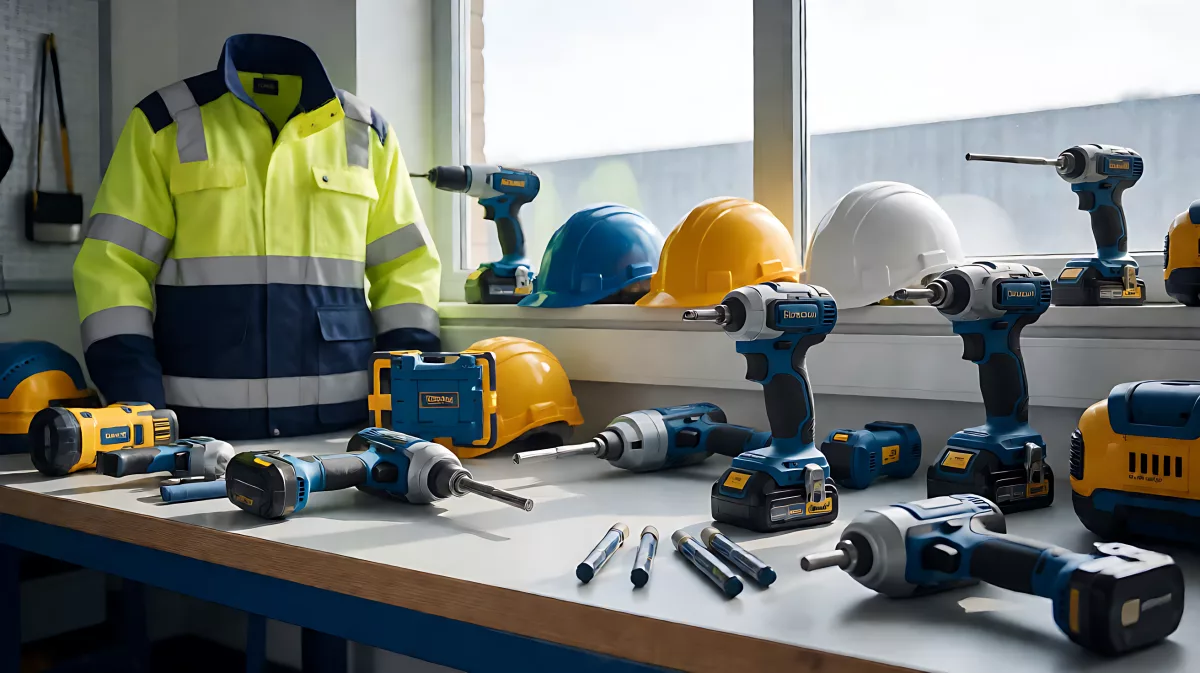
We review the most reliable power tools, safety gear, and workwear available in 2026. From high-performance batteries to durable PPE, find the essentials that boost efficiency and safety on any job site.
For professionals and serious DIYers in 2026, selecting the right power tools and safety gear means prioritizing battery efficiency, durability, and ergonomic design. Leading retailers now offer integrated ecosystems where cordless tools, high-performance PPE, and smart workwear solutions combine to maximize job site safety and productivity. This guide highlights the key categories and specific brands that define the current market standards for 2026.
Why Are Cordless Power Tools Dominating The Market In 2026?
The shift from wired to cordless technology has accelerated significantly. In 2026, the average professional tradesperson relies on battery-powered tools for over 80 percent of their daily tasks. Advances in lithium-ion technology have resulted in energy densities that allow for longer runtime without increasing weight. Major manufacturers like Bosch, DeWalt, and Milwaukee have released newer battery platforms that maintain peak performance even in sub-zero temperatures, a critical feature for construction workers in northern US and UK regions during winter months.
Battery compatibility is now a major factor in purchasing decisions. Many brands use proprietary voltages, such as 18-volt or 36-volt systems, which require buyers to invest in a full ecosystem. However, some newer universal battery standards are emerging in 2026, allowing tools from different manufacturers to share power sources. This reduces the total cost of ownership for DIY enthusiasts who do not need a full professional-grade set.
What Should You Look For In High-Quality Workwear?
Workwear has evolved from simple cotton denim to technical fabrics designed for specific industrial hazards. In 2026, the focus is on multi-functional apparel. High-visibility clothing is no longer just bright orange; it now incorporates thermal regulation technologies to keep workers comfortable in varying climates. Leading brands like Gesto and Univern, which are prominent in the Northern European market, have expanded their global presence with garments that feature integrated storage pockets, abrasion-resistant zones, and moisture-wicking linings.
Key features to consider include:
- Thermal Protection: Garments with phase-change materials that adapt to body temperature.
- Durability Zones: Reinforced stitching and fabric layers at elbows, knees, and shoulders.
- Visibility: Reflective tape that meets the latest international safety standards for night work.
- Comfort: Four-way stretch fabrics that allow for full range of motion without restricting circulation.
How Do Safety Standards Impact PPE Selection?
Personal Protective Equipment (PPE) remains the last line of defense on a job site. In 2026, regulatory bodies in the US and UK have tightened guidelines for hearing protection and footwear. Safety boots, for instance, now frequently incorporate carbon-fibre shanks rather than steel, reducing weight by up to 30 percent while maintaining ASTM and EN standards for impact resistance.
Hearing protection has also moved beyond basic foam plugs. Modern ear defenders feature digital amplification that blocks low-frequency noise like heavy machinery while enhancing mid-range frequencies for conversation. This technology, often seen in brands like 3M and Honeywell, reduces fatigue during long shifts. When selecting PPE, it is essential to check that the items carry the correct certification marks for your specific industry, such as electrical work or construction.
What Are The Best Value Options For Budget-Conscious Buyers?
Not every project requires top-tier professional equipment. For occasional home repairs, entry-level tool brands like AmPro and Inno offer robust performance at a fraction of the cost of premium brands. These tools typically lack some advanced features, such as tool-free bit change or variable speed triggers, but they provide sufficient torque and accuracy for typical residential tasks. Checking outlet sections from major retailers can also yield significant savings on previous year's models, which remain fully functional and reliable.
| Category | Recommended Feature | Best For |
|---|---|---|
| Cordless Drills | Brushless Motor | Heavy-duty masonry and metal drilling |
| Safety Boots | Carbon-Fibre Shank | Long-duration standing and walking |
| Ear Defenders | Digital Noise Cancellation | Construction sites with constant background noise |
| High-Vis Vests | Moisture-Wicking Fabric | Outdoor work in humid or rainy conditions |
Are There New Developments In Tool Maintenance And Sustainability?
Sustainability is a growing driver in tool selection. Many manufacturers in 2026 now offer repair programs and take-back schemes for old batteries, which is vital because lithium-ion waste is strictly regulated. Additionally, some brands have started using recycled materials in tool housing and packaging. For workwear, a circular economy model is emerging where companies provide services to wash, repair, and eventually recycle old garments, ensuring that durable fabrics remain in use for as long as possible before being broken down into new fibers.
How Often Should You Replace Your Power Tool Batteries?
Most lithium-ion batteries in 2026 retain over 80 percent of their original capacity for approximately 500 to 800 charge cycles. Regularly check the health of your batteries using smart chargers that display capacity stats. If a battery holds less than 50 percent of its new-state capacity, it is time to replace it.
What Is The Difference Between Professional And DIY Tool Grades?
Professional-grade tools typically have higher duty cycles, meaning they can run for longer periods without overheating. They also feature more robust metal housings and better dust protection. DIY tools are optimized for intermittent use and cost efficiency, making them suitable for home projects but less ideal for all-day industrial use.
Do I Need Certified PPE For Every Task?
Not necessarily, but it is a legal requirement in most construction and industrial settings in the US and UK. For simple household tasks, basic safety glasses and cut-resistant gloves are often sufficient. However, for tasks involving heights, electricity, or loud noise, certified PPE is non-negotiable for legal compliance and personal safety.