Heat Safety for Older Adults: Cooling and Hydration Tips
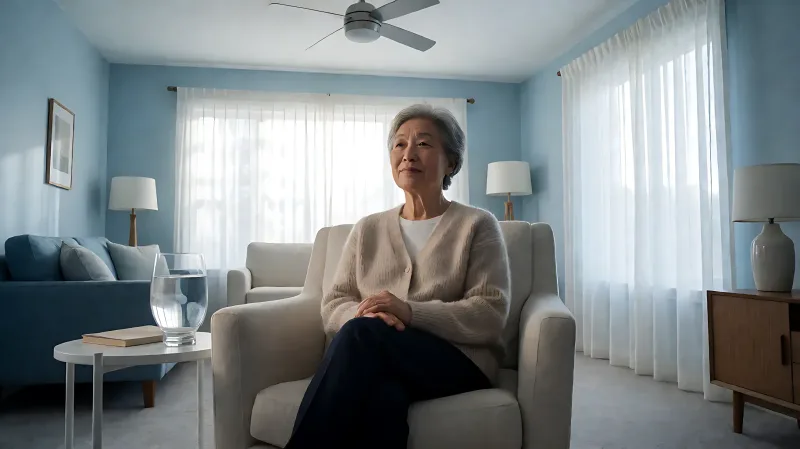
Extreme heat poses a unique risk to those over 65. This guide offers practical, daily habits to keep seniors safe, hydrated, and comfortable during summer heat waves.
Older adults are significantly more vulnerable to extreme heat, making simple daily adjustments critical for safety. To protect against heat illness, seniors should establish routines that prioritize hydration, limit midday sun exposure, and use air conditioning or cooling centers during peak temperatures. The Centers for Disease Control and Prevention advises checking on older neighbors twice a day during heat waves to ensure they have access to cool environments and fluids.
For more information, see CDC heat safety guidance for older adults from the CDC.
Why Is Heat More Dangerous for Seniors?
The human body naturally struggles to regulate temperature, but this challenge intensifies with age. According to the National Institute on Aging, adults over 65 often have a reduced ability to adjust to sudden temperature changes. Many seniors also take prescription medications, such as diuretics or beta-blockers, which can interfere with the body’s ability to sweat and cool down. Chronic conditions like heart disease, kidney issues, and lung ailments further complicate the body's response to high temperatures. Additionally, older adults may not feel thirst as acutely as younger people, leading to dehydration before they realize it.
What Are the Early Signs of Heat Illness?
Recognizing symptoms early can prevent a mild case from becoming a life-threatening emergency. Heat exhaustion is the warning sign. Symptoms include heavy sweating, weakness, dizziness, nausea, and a rapid pulse. If these occur, the CDC recommends moving to a cool place and drinking fluids immediately. Heat stroke is a medical emergency where the body’s temperature rises above 104°F. Signs include confusion, altered behavior, hot dry skin, and a strong, rapid pulse. The National Weather Service notes that in areas with extreme heat warnings, emergency departments see hundreds of additional heat-related patients daily. If you observe these severe symptoms, call 911 and begin cooling the person with cold water and fans while waiting for help.
How Can You Differentiate Between Heat Exhaustion and Heat Stroke?
- Heat Exhaustion: The person is confused or weak but still sweating profusely. Their skin may feel cool and clammy. They can usually recover with rest and fluids in a cool environment.
- Heat Stroke: The person has a body temperature above 104°F and may stop sweating. Their skin is hot, red, and dry. This is a cellular emergency that requires immediate professional medical intervention.
How Do You Build a Daily Heat-Safe Routine?
Consistency is key to staying safe when temperatures consistently exceed 90°F. Incorporating specific habits into the day reduces the risk of overheating. The CDC suggests that caretakers and family members check in on vulnerable seniors at least twice daily to ensure they are drinking enough water and have access to air conditioning. A structured routine helps maintain stability.
What Should Your Hydration Schedule Look Like?
Do not wait for thirst to drink water. Set an alarm or link drinking water to specific events, such as taking a meal or taking medication. Aim for eight cups of fluid daily, increasing to ten or twelve on days above 95°F. Water is the best option, but electrolyte drinks can help if you are sweating heavily. Avoid alcohol and caffeinated beverages, as they can contribute to dehydration. If a doctor has placed you on a fluid-restricted diet, consult them for specific advice on how to adjust during hot weather.
How Can You Cool Down Your Home Effectively?
If you do not have central air conditioning, you can still lower indoor temperatures. Close curtains and blinds during the hottest part of the day to block direct sunlight. Open windows in the early morning and evening to circulate air, but keep them shut at midday. Use fans to circulate air, but remember that fans do not cool the air itself; they only move it. When it is extremely hot, a fan may actually make the room feel warmer. Limit the use of high-heat appliances like ovens and dryers. Consider spending the middle of the day at an air-conditioned location, such as a library, senior center, or shopping mall. Many local health departments maintain lists of public cooling centers for residents who need a place to sit out the peak hours.
What Are the Best Strategies for Outdoor Safety?
If you must be outside, plan your activities around the time of day. The National Institute on Aging recommends avoiding outdoor exertion between 10 a.m. and 4 p.m., when the sun is most intense. Wear loose-fitting, light-colored clothing that allows heat to escape. Apply a broad-spectrum sunscreen with an SPF of 30 or higher, reapplying every two hours. Carry a water bottle and take frequent breaks in the shade. Check local heat index forecasts, which combine temperature and humidity to describe how hot it feels. When the heat index is above 90°F, limit time outdoors and avoid strenuous exercise.
How Do You Prepare for a Heat Wave?
When the National Weather Service issues a heat warning, review your supplies. Ensure your fridge is stocked with extra water and frozen bottles that can be used for cooling. Verify that your air conditioning is working or that you have a backup plan. Charge your phone and portable fans. Make a list of nearby cooling centers. If you have a senior relative, confirm they understand the plan. Keep a list of emergency contacts, including your primary care doctor and local emergency services, handy.
How Do You Check on Older Adults Living Alone?
Isolation is a significant risk factor for heat-related deaths. The CDC advises that neighbors and family members should call or visit older adults twice a day during extreme heat events. Ask specific questions: Are you drinking water? Is your room cool? Do you have any symptoms of dizziness or nausea? If you cannot reach someone or find them confused, act quickly. Check for signs of heat stroke and call emergency services if necessary. Some local Area Agencies on Aging provide transportation services or volunteer check-in programs for seniors who live alone. These resources can fill gaps in social support and ensure vulnerable individuals are not overlooked.
| Safety Tip | Why It Matters |
|---|---|
| Wear light-colored, loose clothing | Reflects sunlight and allows air circulation to dissipate heat. |
| Avoid sun between 10 a.m. and 4 p.m. | Peak UV and heat index levels occur during these hours. |
| Keep windows shut at midday | Prevents solar heat gain from entering the home. |
| Use fans at night | Circulates air without adding heat, unlike during peak afternoon temperatures. |
Frequently Asked Questions
Can a fan be enough to keep an older adult safe during a heat wave?
No. While fans help circulate air, they do not lower the ambient temperature. When the air is already hotter than body temperature, a fan can actually make you feel hotter by blowing warm air against your skin. If temperatures exceed 90°F, seek an air-conditioned environment. Fans are only useful as a supplement to cooling systems or when it is slightly warm but not extreme.
What should you do if an older adult refuses to drink water?
Dehydration is a leading cause of heat-related hospitalizations in seniors. Try different methods to encourage intake. Offer flavored water, herbal ice teas, or popsicles. Link water consumption to habits they already enjoy, such as having a drink with each meal or watching a specific show. If they have limited mobility, use a straw cup or place fluids within easy reach. If they are confused or lethargic, contact their doctor immediately, as refusal to drink can be a sign of heat exhaustion or a more serious condition.
How often should you check the heat index during summer?
Check the local heat index forecast at least once daily during summer months. The National Weather Service updates these forecasts morning and evening. If the heat index is forecast to be above 90°F for three consecutive days, treat it as a heat wave and activate your cooling plan. Monitor weather alerts via your local news or a reliable weather app to stay informed of sudden changes.
Is it safe to exercise in the heat if you are 70 years old?
Exercise is beneficial for health, but it must be modified in extreme heat. The CDC recommends limiting strenuous activity during the hottest parts of the day. If you choose to exercise, do so in the early morning or late evening. Reduce the intensity and duration of your workout. Stop immediately if you feel dizzy, nauseous, or overly fatigued. Hydrate before, during, and after the activity. Consult your healthcare provider to ensure your heart and lungs are healthy enough for physical exertion in hot conditions.
What are the best foods to eat during a heat wave?
Foods with high water content help with hydration. Eat watermelon, cucumbers, tomatoes, and oranges. Avoid heavy, fatty meals that require more energy to digest and can make you feel warmer. Lighter meals, such as salads, soups, and pasta without heavy sauces, are easier on the body. Stay away from foods high in sodium, as they can increase thirst. Focus on a balanced diet that supports overall health, but prioritize fluid intake throughout the day.