Winter Lifestyle Tips for Older Adults & Mood
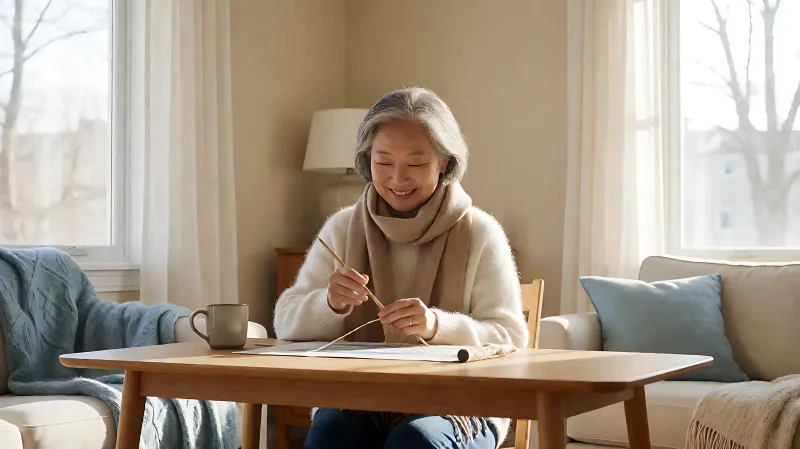
Winter can shrink the world for older adults, leading to isolation and low mood. This guide offers practical, low-cost indoor strategies to maintain vitality, connection, and joy throughout the cold season.
For older adults, winter brings more than just cold weather; it often triggers a natural decline in mood and energy known as seasonal adjustment. By incorporating bright light, gentle indoor movement, and regular social connection into daily routines, seniors can effectively counteract the gloom. The Centers for Disease Control and Prevention (CDC) emphasizes that maintaining a routine and staying socially active are critical for mental well-being during the months of November through February.
For more information, see NIMH information on seasonal depression from the National Institute of Mental Health.
How Does Lack of Sunlight Affect Senior Mental Health?
Winter days are shorter and often cloudier, which reduces the production of vitamin D and disrupts circadian rhythms. This can lead to what mental health professionals call Seasonal Affective Disorder (SAD) or "winter blues." The American Psychiatric Association notes that these symptoms are more common in older adults because their ability to regulate mood can become more rigid with age. When the sun goes down at 4:30 p.m. in northern states, many people stop getting up to move, leading to prolonged sedentary periods that worsen fatigue and low spirits.
What Are the Best Indoor Activities for Keeping the Body Active?
Staying indoors does not mean staying still. The National Institute on Aging (NIA) recommends that older adults engage in moderate-intensity activity for at least 150 minutes a week, even in winter. Here are accessible indoor options:
- Seated Aerobics: Simple movements like marching in place or arm circles can raise the heart rate without putting stress on joints. These can be done while watching television or listening to music.
- Indoor Dancing: Playing upbeat music and dancing in the living room boosts endorphins. Studies suggest that rhythmic movement improves balance and coordination, which are vital for fall prevention.
- Chair Yoga: Gentle poses like the "chair warrior" improve flexibility and strength. Video tutorials for seniors are widely available and allow for a safe, guided routine in a warm space.
The National Council on Aging (NCOA) highlights that movement, even mild, triggers the release of serotonin and dopamine, which are natural mood lifters. It is important to keep the area clear of clutter to prevent tripping hazards.
How Can Social Connection Be Maintained During Isolation?
Winter weather often limits travel to family gatherings or group classes, increasing the risk of loneliness. Loneliness is a significant health risk for older adults, with the American Heart Association linking it to a 26% higher risk of heart attack and a 32% higher risk of stroke.
What Are Practical Ways to Stay Connected Remotely?
Technology has become a primary tool for maintaining social bonds. Video calls with grandchildren or friends can replace in-person visits. To make these interactions more engaging, consider doing a shared activity, such as looking at a digital photo album together or watching a movie simultaneously. The U.S. Department of Health and Human Services (HHS) encourages the use of these digital tools to sustain community ties when physical distance is required.
Are There Local Community Options?
Local Area Agencies on Aging (AAA) often provide year-round services, including shuttle buses to community centers and indoor group activities like book clubs or craft workshops. These centers are heated and staffed with professionals who understand the specific needs of the senior population.
How Does Lighting Impact Mood and Sleep?
Exposure to bright light in the morning helps reset the body's internal clock. The National Sleep Foundation recommends using a light therapy box for 20 to 30 minutes in the morning if natural sunlight is insufficient. This mimics the sun and helps regulate melatonin, the hormone that controls sleep-wake cycles. Additionally, keeping curtains open during the day and using warm, bright interior lighting in the evening can reduce the psychological impact of the darker outdoor environment.
What Role Does Purpose and Hobbies Play?
Having a reason to get up in the morning is a powerful mood booster. Engaging in hobbies such as knitting, gardening indoors with houseplants, or learning a new language provides a sense of accomplishment and cognitive stimulation. The Alzheimer's Association suggests that creative activities keep the brain engaged and provide a positive outlet for stress. Setting small, achievable goals, such as reading one book or finishing a craft project each month, helps maintain a sense of structure and progress.
Frequently Asked Questions
Is it normal to feel more tired in winter?
Yes. It is biologically normal to feel less energetic in winter due to shorter days and colder temperatures. However, if the fatigue is persistent and accompanied by sadness or hopelessness, it may be a sign of Seasonal Affective Disorder, which warrants a conversation with a healthcare provider.
Can I do exercise if I have joint pain?
Yes. Low-impact indoor exercises like water aerobics (if a pool is accessible), seated exercises, or gentle stretching are excellent. The National Institute of Arthritis and Musculoskeletal and Skin Diseases (NIAMS) advises consulting a doctor to find the safest movements for individual joint conditions.
How can I make video calls more enjoyable?
Try to keep calls to a manageable duration, such as 15 to 20 minutes, to prevent fatigue. Choose a quiet, well-lit room, and consider doing a shared activity like reading a paragraph aloud or showing a favorite item to the person on the other end.
What is the best time of day for light therapy?
Morning is the most effective time for light therapy. Using a light box within 60 minutes of waking up helps signal to the brain that it is daytime, which can improve alertness and mood throughout the day.