7 Best Hobbies for Retirees to Stay Active and Social
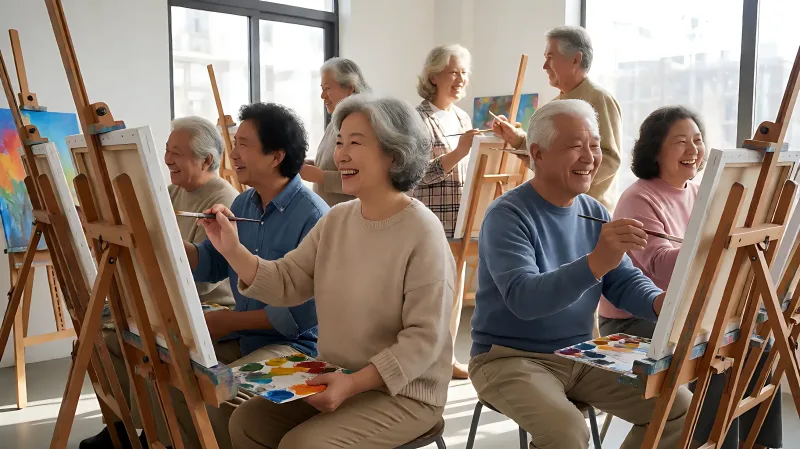
Retirement offers more than just rest; it is a prime time to explore new passions. Explore seven engaging hobbies that promote physical health, mental sharpness, and strong social connections for adults over 65.
Retirement is the perfect time to swap office routine for a vibrant social life. According to the National Institute on Aging, engaging in hobbies and community activities significantly boosts health by reducing loneliness and preventing cognitive decline. These pursuits provide structure, purpose, and joy, ensuring a fulfilling lifestyle well into your golden years.
For more information, see NIA healthy aging resources from the National Institute on Aging.
Why Should You Add Hobbies to Retirement?
Many seniors find themselves with sudden gaps in their daily schedules after leaving the workforce. The Centers for Disease Control and Prevention (CDC) notes that social isolation is a major risk factor for depression and chronic illness. Hobbies combat this by creating routine and connection. They do more than just kill time; they actively challenge the brain and body. Research indicates that older adults who remain socially and physically active have a lower risk of developing dementia, heart disease, and stroke. Furthermore, these activities foster resilience, helping you bounce back from life's hardships with greater ease and optimism.
How Do Hobbies Improve Mental Health?
Engaging in meaningful activities releases positive emotions and reduces anxiety. When you pursue interests like painting, music, or gardening, you cultivate a sense of purpose that is linked to a longer lifespan. This mental stimulation keeps your mind sharp and helps prevent the feelings of emptiness that can sometimes accompany the transition into retirement.
What Are the Best Creative Hobbies for Seniors?
Creative arts are excellent for indoor mental stimulation and flexibility. Whether you have never held a paintbrush or are picking up a knitting needle, these activities offer satisfying results. The National Institute on Aging highlights that creative pursuits like music and dance can even assist those with memory issues by engaging different brain pathways.
- Visual Arts: Try acrylic painting, watercoloring, or sculpting. You can capture memories on canvas or create original pieces. Local community colleges often offer introductory classes for beginners.
- Writing: Start a memoir, join a poetry group, or write short stories. Journaling your daily experiences helps process emotions and preserves family history.
- Crafts: Knitting, quilting, and woodworking provide tactile satisfaction. These hobbies keep your hands nimble and allow you to create useful items for family and friends.
Which Outdoor Hobbies Boost Physical Fitness?
Staying active does not require a gym membership. Outdoor hobbies provide fresh air and gentle exercise that supports joint health and cardiovascular wellness. The American College of Sports Medicine recommends that older adults engage in moderate-intensity aerobic activity for at least 150 minutes per week. Integrating these into hobbies makes exercise feel less like a chore.
- Gardening: Planting vegetables and flowers is therapeutic and provides physical movement like digging, raking, and lifting. It connects you to nature and yields fresh, nutritious produce.
- Birdwatching: This calming activity encourages walking in parks or nature trails. Pairing it with journaling your sightings adds a mental challenge while you learn about local ecosystems.
- Walking Groups: Join a local walking club or simply stroll with a neighbor. This combines physical activity with social conversation, helping you stay accountable and motivated.
How Can Social Hobbies Reduce Loneliness?
Humans are social creatures. Hobbies that involve groups help build a strong support network and combat the isolation that can occur when friends or family move away. Music and team sports are particularly effective because they require collaboration and regular interaction.
- Music: Join a choir, learn an instrument, or form a band. Music groups provide a strong sense of community and have been shown to alleviate stress and enhance mood.
- Team Sports: Low-impact sports like bowling, bocce ball, or swimming clubs offer regular social interaction. They provide a structured social calendar and the physical benefits of cardiovascular exercise.
- Volunteering: Serve meals, mentor students, or organize clothing donations. Volunteering connects you to your community and provides a powerful sense of purpose and contribution.
What Learning Activities Keep the Brain Sharp?
Lifelong learning is a critical component of a healthy aging routine. The brain thrives on novelty. Challenging yourself with new skills keeps neural pathways active and strong. Many local libraries and senior centers offer free or discounted programs specifically designed for older adults.
- Languages: Learning a new language is one of the best ways to prevent cognitive decline. It forces the brain to work harder and improves memory retention.
- Photography: Study composition and lighting. Taking photos during walks or trips encourages you to explore new environments while mastering a technical skill.
- Digital Skills: Take computer classes to learn about video calls, social media, or online travel planning. This technology bridge helps you stay connected with distant family members and independent in an increasingly digital world.
How Can You Start Today?
Begin with one activity that genuinely interests you. Do not feel pressured to commit to long-term obligations immediately. Try a one-off class or a weekend workshop. If you enjoy it, then make it a regular habit. Use platforms like Meetup or local community center schedules to find groups near you. Remember, the goal is not perfection but participation. Consistency, even if just twice a week, will yield significant health benefits over time.
FAQs About Hobbies for Older Adults
Are hobbies beneficial if I have limited mobility?
Yes. Many hobbies can be adapted for wheelchair users or those with joint pain. Seated yoga, adaptive gardening kits, and online book clubs allow you to remain engaged and social without requiring intense physical exertion.
How much time should I spend on hobbies?
There is no set rule, but aim for activities that replace the time you used to spend working. Even 30 minutes of daily engagement, such as a short walk or reading session, contributes to mental and physical well-being.
What if I don't like being around people?
Many hobbies can be done solo. Solo travel, personal gardening, and individual crafting projects allow you to enjoy the benefits of active engagement without the social pressure. You can always join a group later if you become comfortable.
Is it too late to learn a new skill?
It is never too late. Neuroplasticity, the brain's ability to form new connections, continues throughout life. Learning a new instrument or language at age 70 is perfectly feasible and provides significant cognitive benefits.