Coastal Isolation Risks for Veterans Over 70: Preparedness Guide
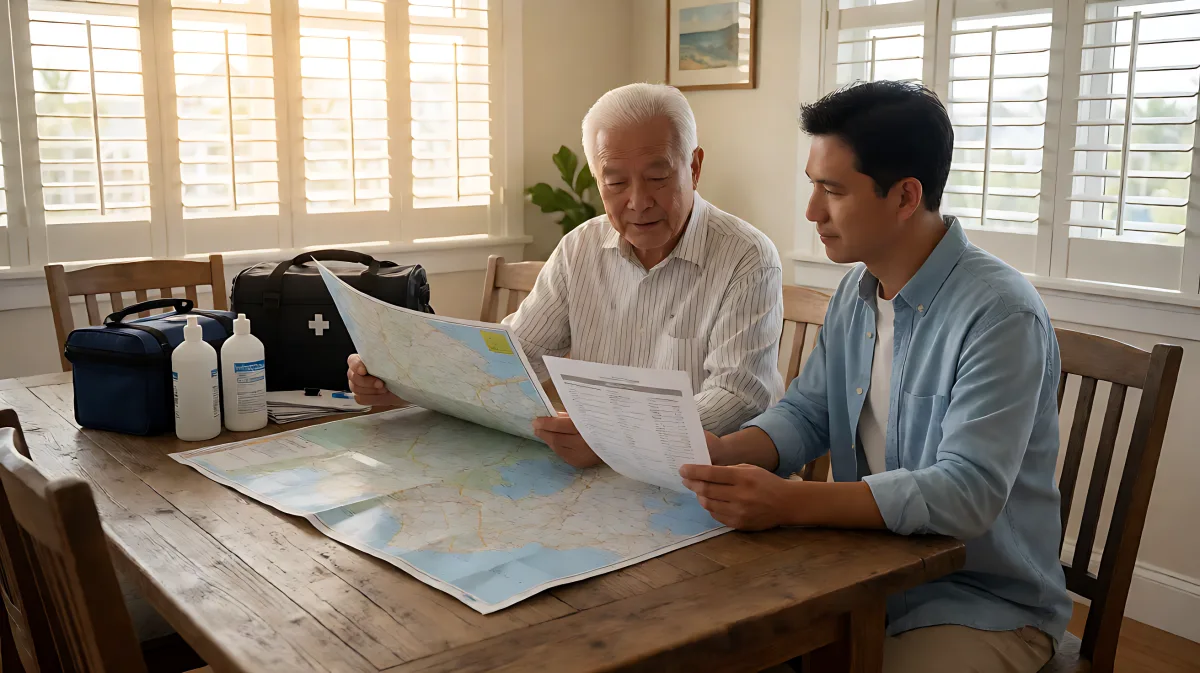
With storm surges becoming more frequent, veterans over 70 face unique health and mobility challenges during coastal evacuations. This guide outlines critical steps to prevent post-storm isolation and ensure safety.
Veterans over 70 living in coastal communities face elevated post-storm isolation risks due to mobility limitations, chronic health conditions, and the increased frequency of extreme weather events. According to the Centers for Disease Control and Prevention, individuals over 65 are significantly more vulnerable to heat and storm-related health crises. To mitigate these risks, these veterans must implement specialized evacuation plans that account for medical dependencies and secure reliable communication channels before storm season begins.
Why Veterans Over 70 Are More Vulnerable to Storm Isolation
The combination of aging physiology and military service history creates unique vulnerabilities for coastal retirees. Many veterans over 70 manage chronic conditions such as hypertension, heart disease, and diabetes, which require consistent medication and stable environments. The stress of a storm evacuation can exacerbate these issues, while the physical toll of service, including chronic pain and arthritis, limits mobility during emergency moves.
Mental health factors also play a critical role. Research indicates that post-traumatic stress disorder and anxiety can re-emerge with age, leading to social isolation and resistance to accepting care. In coastal settings, this isolation becomes life-threatening when roads are blocked and emergency services are delayed by storm surge. The National Institutes of Health has noted that in some hurricane scenarios, the stress of moving vulnerable older adults has caused more harm than the storm itself, highlighting the need for careful, planned interventions.
What Are the Key Financial and Insurance Risks?
Financial security is a major component of post-storm resilience. Many veterans assume their VA benefits cover all long-term care, but this is a common misconception. In fact, standard VA pensions do not automatically cover the cost of assisted living or nursing home placements following a disaster. While the Aid and Attendance benefit provides a monthly, tax-free payment to help with daily assistance, it requires a complex application process that can take months to approve.
Furthermore, coastal insurance premiums have risen sharply. In Florida, for example, average homeowners insurance premiums are projected to be significantly higher than the national average, with some coastal areas facing costs that can decimate a fixed retirement income. Veterans must budget for a financial buffer that includes emergency supplies and specialized insurance, ensuring they are not left without resources when a storm forces them into temporary shelter or long-term care.
How Should Veterans Plan for Evacuation?
Effective evacuation planning for veterans over 70 requires a structured approach that addresses mobility and medical needs. One of the most common mistakes is waiting until a storm warning is issued to prepare. Instead, veterans should develop a written emergency plan and review it annually, ideally before hurricane season begins. This plan must include designated meeting places for family members and a communication strategy that bypasses unreliable cell networks.
For those with limited mobility, coordinating with professional placement services or local emergency responders is crucial. Assisted Living Locators and similar organizations provide guidance on navigating the senior care system, but veterans should verify that any recommended facility is equipped to handle medical crises. It is essential to identify out-of-state contacts who can serve as communication hubs if local networks fail. Additionally, vital documents such as passports, insurance policies, and medical records should be stored in waterproof containers and kept accessible.
Step-by-Step Emergency Checklist for Coastal Veterans
- Conduct a care assessment to identify specific medical and mobility needs before a storm hits.
- Secure a secondary communication method, such as a battery-powered radio, in case cell service is down.
- Gather 72 hours of essential medications and create a detailed list of prescriptions for healthcare providers.
- Identify a safe meeting place that is inland and outside of mandatory evacuation zones.
- Store vital documents, including VA discharge papers and insurance policies, in a waterproof, portable binder.
- Establish a trusted out-of-state contact person for all family members to call and check in.
Which Resources Can Help Navigate VA Benefits and Care?
Navigating the bureaucracy of veteran benefits is a major challenge for families in crisis. Accredited veteran benefits advisors and elder law attorneys can help secure the Aid and Attendance benefit, which is vital for covering the costs of assisted living. The VA has a 36-month look-back period for asset transfers, so families should begin the application process well before a medical crisis occurs.
Community resources are also critical. The National Center for Assisted Living provides state-specific regulatory information and data on facility risks. Veterans should connect with local emergency managers who understand the specific flood zones and evacuation routes of their community. By combining professional advocacy with local knowledge, veterans can build a robust support network that reduces the risk of being left behind after a storm.
Frequently Asked Questions
Does the VA cover nursing home costs after a hurricane?
The VA does not automatically pay for nursing homes after a disaster. However, veterans may qualify for the Aid and Attendance benefit, which provides monthly payments to help with the cost of long-term care. Eligibility depends on service history, medical need, and financial means, and applications can be processed months in advance.
What is the biggest health risk for veterans over 70 during a storm?
The primary risks are the interruption of medication routines and the physical stress of evacuation. Chronic conditions like heart disease and diabetes can deteriorate quickly without proper management. Additionally, the psychological stress of displacement can trigger PTSD symptoms, leading to acute anxiety and health decline.
How far inland should a veteran move to be safe from storm surge?
Distance alone is not a guarantee of safety. Veterans should consult local flood maps and National Weather Service data to identify their specific elevation and flood zone. Moving to a higher elevation, such as the Appalachian regions or specific inland coastal cities, is often recommended by climate scientists to reduce the risk of chronic flooding and severe wind damage.
Can families use free placement services without conflict of interest?
Most senior placement services are free to the family but earn commissions from facilities. While reputable agencies prioritize the client's needs, families should always ask how the advisor is compensated and request a wide range of options to ensure the best fit for the veteran's specific medical and social requirements.