How to Adjust Life After Losing Your Spouse
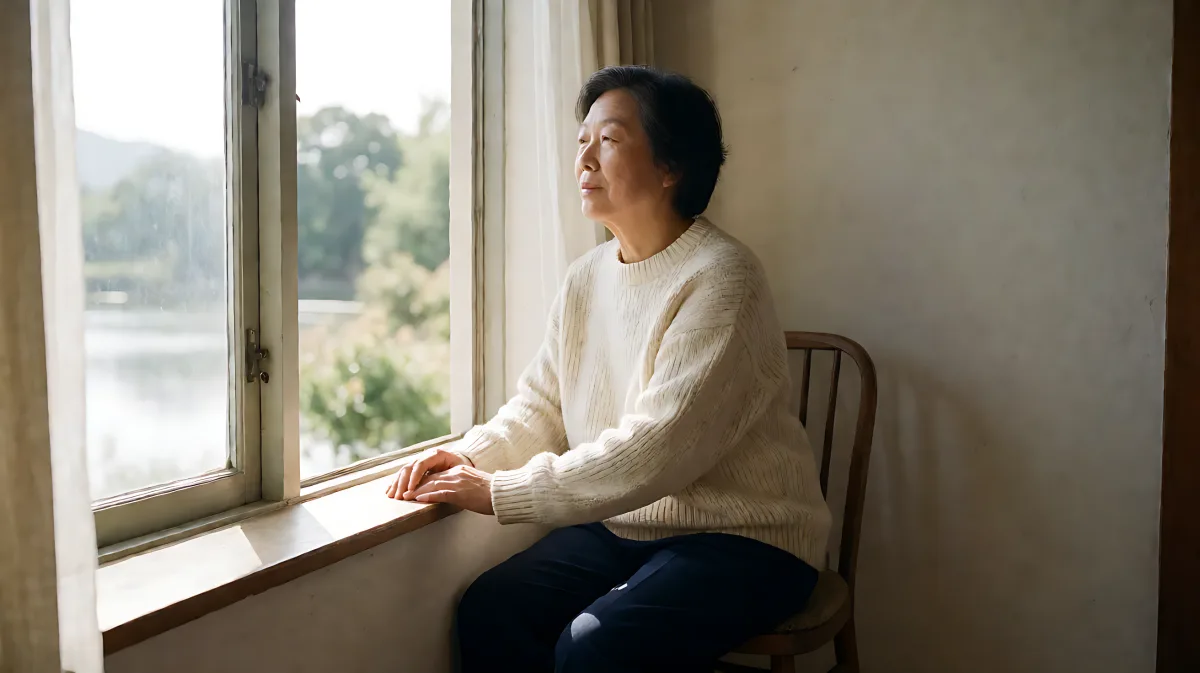
Losing a partner changes everything. This guide outlines key lifestyle shifts, from solo dining to financial independence, to help seniors rebuild a fulfilling life.
Rebuilding a life after losing a spouse requires establishing new routines that foster independence and connection. This involves practical steps like dining alone, updating financial documents, and engaging in solo travel, which collectively help seniors regain a sense of normalcy and confidence in their daily lives.
How Can Seniors Rebuild Their Daily Routines?
The transition to living alone often disrupts the automatic nature of daily life. Many seniors find that routines previously shared with a partner now feel unfamiliar or overwhelming. To combat this, experts from the National Institute on Aging emphasize the importance of maintaining structure to support healthy grief recovery. This does not mean replicating the past, but rather creating a new rhythm that provides stability.
Start by identifying which tasks previously fell to your late spouse. If they managed the household finances, you may now need to review bills or meet with a financial advisor. Taking control of these responsibilities, even starting with a simple utility review, restores a sense of agency. Similarly, if cooking was a shared activity, preparing a simple meal alone can mark a significant milestone in self-reliance.
What Are Key Steps for Emotional and Social Adjustment?
Emotional well-being is deeply tied to social connection. Isolation can exacerbate grief, so intentional engagement with the community is crucial. Many widowed individuals report that attending social events solo, such as community gatherings or religious services, becomes easier over time. These interactions serve as protective factors against loneliness and depression.
Furthermore, joining hobby clubs or volunteering can help rebuild identity. Researchers studying widowhood have found that rediscovering passions, such as gardening, photography, or painting, creates a sense of forward momentum. This process allows seniors to reconnect with their own interests rather than viewing themselves solely through the lens of their partnership.
- Start with small solo activities, like a lunch at a favorite local café, to build confidence.
- Join a local book club or community group to expand your social circle.
- Schedule one new experience each month, such as a day trip to a nearby park or beach.
How Should Seniors Approach Financial Independence?
Managing finances alone is a common source of anxiety for those who previously relied on a spouse for financial expertise. It is essential to update beneficiary designations on retirement accounts and review insurance policies promptly. Working with a financial planner or an elder law attorney can provide clarity on complex matters like wills, trusts, and tax deductions.
Additionally, seniors should assess their housing and healthcare needs to ensure long-term security. A proactive approach to these practical matters reduces stress and provides a safety net, allowing you to focus on emotional healing. Remember that seeking professional help is a sign of strength, not failure.
What Role Does Home Safety Play in Living Alone?
As independence grows, so does the need to ensure your home environment supports your well-being. Simple modifications can make a significant difference in confidence and security. Installing grab bars, improving lighting in key areas, and ensuring that emergency contacts are easily accessible are fundamental steps.
Technology can also be a powerful ally. Smartwatches with fall detection features or voice-activated assistants can help manage reminders and connect with loved ones. For those who worry about not being checked in on, setting up a simple daily text system with a trusted friend can provide peace of mind without requiring extensive care services.
What Is the Best Way to Honor Memories While Moving Forward?
Grief and joy can coexist. It is a common misconception that moving on means erasing memories. Instead, the goal is to create new associations alongside the old ones. Returning to places that held shared memories, such as a favorite hiking trail or a local festival, can help you discover that these experiences are still accessible and enjoyable on your own.
For holidays, consider introducing one new tradition. This might be volunteering, taking a short trip, or simply changing your schedule for the day. Grief experts note that adapting traditions reduces stress while still honoring meaningful memories. This approach allows you to acknowledge the loss without letting it dictate your current happiness.
How do you handle the first holiday after losing a partner?
Many seniors find it helpful to change the structure of the day. Instead of recreating every previous tradition, introduce one new activity that feels meaningful to you, such as a solo walk in nature or a small gathering with a close friend. This shift helps prevent the holiday from becoming a source of stress while still allowing space for reflection.
Is it normal to feel anxious about doing things alone?
Yes, it is a very common reaction. Studies indicate that a significant percentage of widowed individuals experience heightened anxiety in the first year. This is a natural part of the adjustment process. Focus on gradual exposure to solo activities, starting with low-stakes tasks like reading a newspaper or having coffee alone, to build confidence over time.
When should I seek professional counseling for grief?
While many people navigate grief on their own, seeking counseling is beneficial if you find that daily activities are consistently disrupted or if feelings of despair persist. Early intervention can help develop coping strategies and prevent prolonged distress. Remember that asking for help is a proactive step toward your well-being.