Reversing Social Isolation in Senior Couples: A Guide
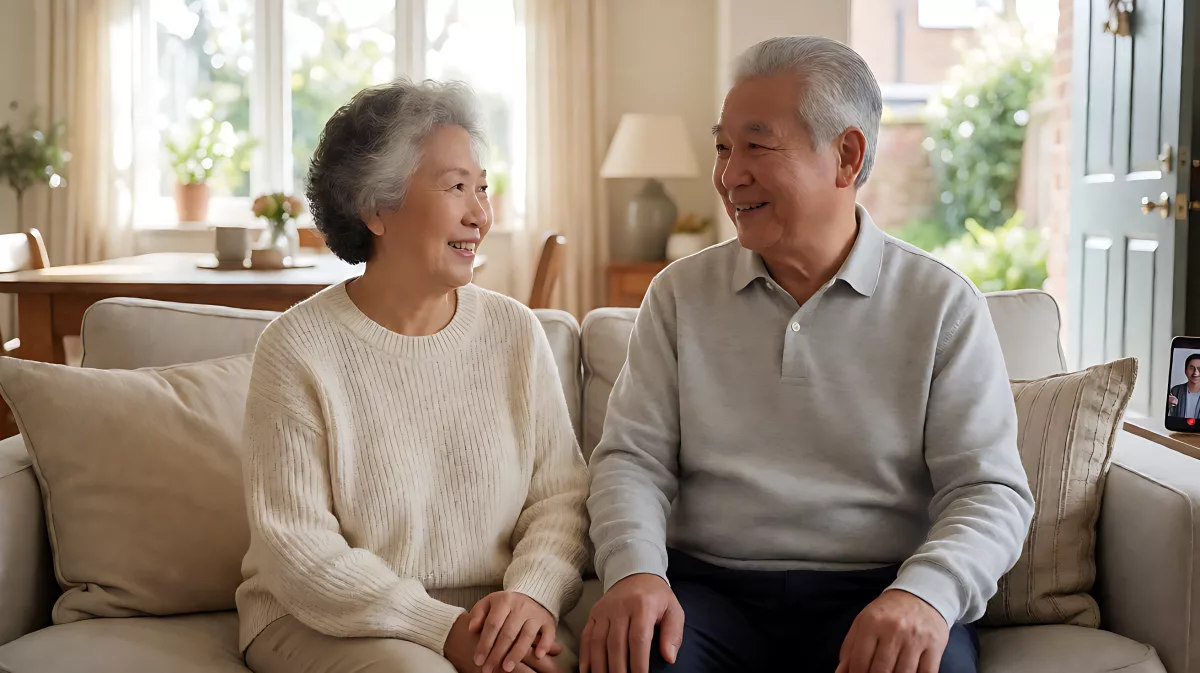
Find out how senior couples can break the cycle of isolation. Learn to boost mental health, cognitive function, and community connections with actionable strategies tailored for older adults.
Senior couples facing social isolation can reverse this negative trend by rebuilding daily social connections through structured community engagement and digital communication. Research in 2026 shows that restoring routine contact with neighbors and peers significantly reduces cognitive decline and improves mental health outcomes.
Why Is Social Isolation Dangerous for Older Couples?
Social isolation goes beyond feeling lonely; it is a chronic condition that impacts nearly every aspect of physical and mental health. According to data released by the World Health Organization in 2026, lack of consistent human contact is linked to accelerated aging and a 40% higher risk of developing cognitive impairments. For senior couples, who may have retired and no longer have structured professional networks, the absence of outside interaction often leads to a shrinking social world.
How Does Isolation Impact Cognitive Function?
When older adults stop regularly interacting with diverse individuals, the brain loses opportunities to engage in executive functioning. Studies indicate that perceived social isolation is a risk factor for faster cognitive decline. The brain begins to perceive social threats more acutely, leading to heightened anxiety and negative self-esteem. This creates a vicious cycle where the couple avoids social situations to protect themselves, which further deteriorates their ability to understand and connect with others, a process known as theory of mind impairment.
What Are the First Steps to Rebuilding Connections?
Reversing isolation does not require drastic changes; it starts with small, consistent actions. One of the most effective methods is scheduling regular group activities that replace solitary time. Senior couples can look to local senior centers or community organizations for events that provide structure and recurring social opportunities. By committing to a weekly club or group, the couple creates a predictable social anchor that lowers the barrier to entry and fosters a sense of belonging.
Should Couples Consider a Pet?
While having a pet does not replace human interaction, it provides constant companionship that can significantly reduce feelings of emptiness in the home. For couples dealing with mobility issues or hearing impairments, a pet can offer a non-verbal source of comfort and routine. The act of walking a dog or caring for an animal creates a sense of purpose, which is essential for maintaining mental health. However, this should be viewed as a complement to, not a replacement for, interpersonal relationships.
How Can Technology Bridge the Gap?
Distance should no longer be an excuse for isolation. In 2026, digital communication has evolved to make remote connection more intuitive and less stressful. Senior couples are encouraged to use video chatting platforms to stay in contact with family and friends who live far away. Unlike phone calls, video calls allow for face-to-face interaction, which triggers more emotional engagement. Scheduling regular group calls with a broader social circle helps keep the couple connected to the wider community without the physical exertion of travel.
How Do Hearing and Vision Checks Prevent Isolation?
Many seniors stop attending social gatherings not because they lack desire, but because they struggle to hear conversations or see faces clearly. Regular appointments with healthcare providers to check hearing and vision are critical. Using hearing aids or updated glasses allows the couple to stay engaged in the present moment. When the couple can fully participate in a meal with friends or a church group, the social interaction becomes satisfying rather than draining.
What Role Do Neighbors and In-Home Companions Play?
Building a support system next door is one of the simplest yet most powerful ways to reverse isolation. Knowing a friendly face is nearby provides a sense of safety and peace of mind. For couples who need daily social contact but cannot travel, hiring an in-home companion or caregiver can be beneficial. These professionals provide round-the-clock or daily check-ins, offering conversation and assistance. While some couples may not need medical care, the social aspect of having a trusted individual visit regularly can prevent the stagnation that comes with staying home all day.
Is Professional Therapy Necessary?
If feelings of isolation persist despite active efforts to connect, professional support may be required. Therapy can help the couple identify the root causes of their withdrawal, which might be linked to deeper issues like depression or anxiety. Licensed therapists can provide a confidential space to develop coping strategies and improve social skills. Reaching out for help is a sign of strength and the first step toward a more connected and fulfilling life.
How Can Couples Maintain a Consistent Social Rhythm?
Consistency is key to reversing social isolation. The goal is to create a balanced schedule that includes a mix of face-to-face interactions and digital connections. Using tools like mobile apps for local events can help find clubs and groups that match their specific interests. By making these activities a fixed part of their week, the couple shifts their identity from being isolated to being active community members. This shift not only improves mental health but also supports overall physical well-being by reducing stress hormones.
What Are the Long-Term Health Benefits?
The benefits of rebuilding social ties are profound and measurable. In 2026, data shows that consistent social interaction is linked to improved cardiovascular health and a lower risk of mortality. The positive impact on mood and energy levels helps couples maintain independence for longer. By prioritizing social health as an essential part of their lifestyle, senior couples can ensure that their later years are filled with meaningful connections rather than silence.
Frequently Asked Questions
How often should senior couples engage in social activities?
Aim for at least two to three structured social interactions per week, such as a club meeting, a meal with friends, or a scheduled video call with family. This frequency helps maintain the brain's neural pathways associated with social cognition and reduces the risk of cognitive decline.
Can social isolation affect physical health?
Yes, chronic social isolation is linked to increased risks of heart disease, stroke, and cognitive disorders. The stress response triggered by lack of connection can raise blood pressure and weaken the immune system, making regular social engagement a crucial component of physical health maintenance.
What if a couple has physical limitations that prevent them from leaving the house?
Couples with mobility challenges should focus on digital connections and in-home visitation services. Using video calls and adaptive technology allows them to maintain relationships without physical travel. Additionally, hiring an in-home companion can provide regular social interaction and assistance within the home environment.
How can a couple identify if they are experiencing loneliness rather than just being alone?
Loneliness is a subjective feeling of distress, while isolation is an objective lack of contact. If a couple feels disconnected or unsatisfied with their social interactions despite being surrounded by others or having regular calls, they may be experiencing loneliness. This subjective feeling is a strong indicator of mental health needs and should be addressed with targeted strategies or professional support.