Solo Dining Etiquette Tips for Restaurants
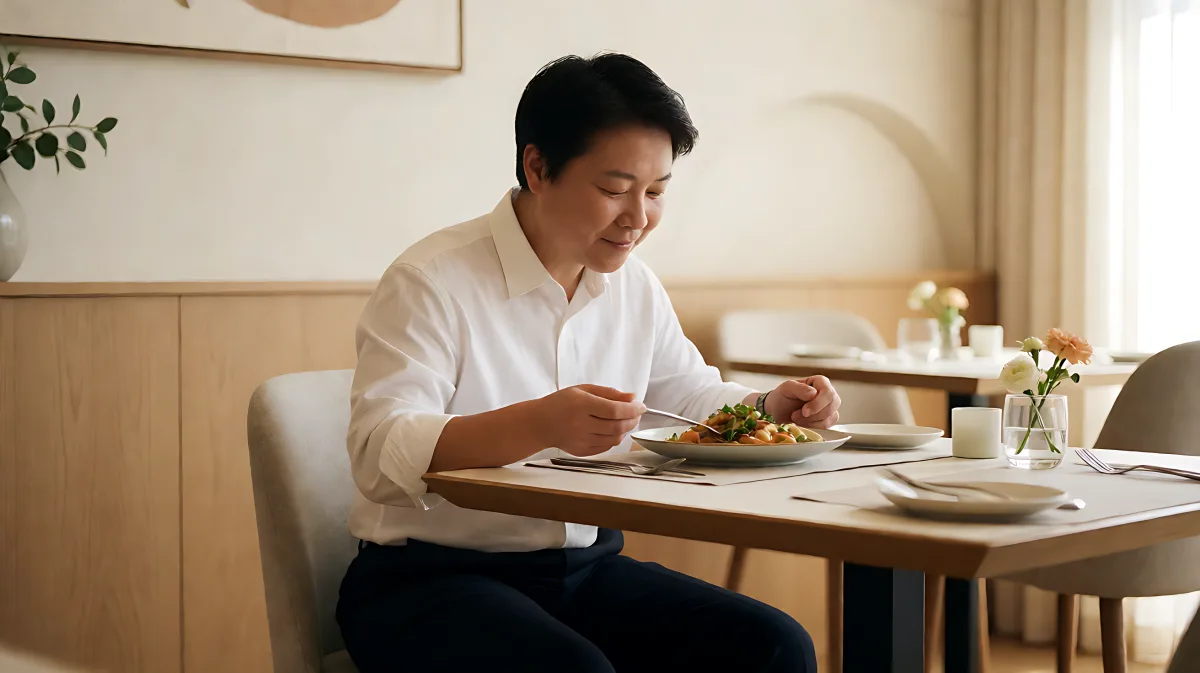
Eating alone in a restaurant is a common and increasingly popular trend. While it can feel awkward, it offers a unique opportunity to enjoy a meal without social pressure. This guide provides practical etiquette tips to ensure your solo dining experience is pleasant for both you and the restaurant staff.
Dining solo is a valid and enjoyable way to experience restaurant food without the pressure of company. While some people feel awkward eating alone, experienced servers often find these tables easier to manage, allowing for more focused service. Understanding basic etiquette, such as how to request seating and how to handle leaving your table, can make your solo dining experience smoother and more comfortable for everyone involved.
Is It Okay to Eat Alone in a Restaurant?
Yes, there is no rule against dining solo. In fact, many restaurant managers and server communities welcome the reprieve that a single diner provides on a busy night. According to Darron Cardosa, a food service professional with over 30 years of experience, a table of one allows staff to slow down and give individual attention that might be harder to provide to a large group. He notes that for servers, a "one top" is often a welcome pause in the chaotic flow of service. You do not need to justify your presence or apologize for being alone. Your primary goal is simply to enjoy your meal, just as any other guest would.
Do You Have to Sit at the Bar?
Not necessarily, but it is a common option. Many restaurants have limited seating at the bar, which is why hosts often suggest it for single guests to save larger tables for groups. However, you are under no obligation to sit there if you prefer a regular table. Cardosa emphasizes that if a host suggests the bar, you have the right to politely decline. Some diners avoid the bar due to a lack of back support or the proximity to strangers. While a bar seat can be a great vantage point to people-watch, a standard table offers a more private and traditional dining setup. Always check with the host about their specific seating policies, as some venues may have unique rules during peak hours.
How Should You Manage Your Time at the Table?
There is no set time limit for a solo diner, but being mindful of the restaurant's pace is a matter of basic courtesy. You do not need to rush through your meal in 20 minutes, but you also should not occupy the table for an excessive duration if there is a waiting list of guests. Cardosa advises that while you can read a book or savor a drink, it is best to be aware of the room. If the dining area is full and customers are waiting for seats, it is polite to finish your meal at a reasonable pace. Your server is likely managing multiple tables, and prolonged occupancy can impact the operations of the establishment. Aim for a balanced approach where you enjoy your food without feeling pressured, but also without significantly hindering the restaurant's ability to serve others.
What If You Need to Step Away?
If you need to leave your table for the restroom or to make a phone call, it is important to inform your server. This simple courtesy prevents two common issues: staff thinking you have left without paying and your food being cleared off the table prematurely. Cardosa shares a personal anecdote about a situation where a server's unfinished plate was cleared because the guest stepped away, leading to the kitchen wasting ingredients. Always announce your return to avoid confusion and ensure your meal is waiting for you when you get back.
Why Are Restaurants Improving Solo Dining Experiences?
The hospitality industry is increasingly recognizing the value of solo diners. WebstaurantStore, a leading supplier for the foodservice industry, notes that solo guests offer a unique opportunity for restaurants to showcase their hospitality and food quality without the distraction of group dynamics. While a solo diner might spend less on drinks and appetizers, they are often repeat customers who value the experience. Many restaurants are now designing dedicated seating options, such as individual booths or window seats, to make solo dining more comfortable. Some establishments even offer small complimentary items, like a glass of water or a pastry, to welcome single guests. This shift in perspective acknowledges that dining alone is a valid way to engage with food and service.
Does Food Safety Differ for Solo Diners?
The core principles of food safety apply to all guests, regardless of party size. However, solo diners have the advantage of undivided attention, which can make it easier to notice if food is served at incorrect temperatures or if there are signs of spoilage. For high-risk foods, such as raw seafood or undercooked meats, it is always wise to trust your instincts. If a dish looks or smells off, do not hesitate to ask your server for a replacement. While specific institutional facilities, like assisted living kitchens, follow strict audit checklists mandated by the FDA Food Code and OSHA, residential restaurants operate under similar health department standards. These regulations ensure that food is prepared, stored, and served in a manner that minimizes the risk of foodborne illness. Your role as a diner is to be observant and communicate any concerns to the staff promptly.
How Can You Make Your Solo Meal More Enjoyable?
Embracing the solitude can turn a simple meal into a personal ritual. Many solo diners use this time to focus entirely on the flavors and textures of their food, something that is difficult to do with a group. Bringing a book, journal, or even just sitting in quiet reflection can enhance the experience. Cardosa recalls a regular customer who came alone every few weeks and found contentment in her solitude, treating the meal as a cherished personal time. You can also use this opportunity to try a dish you have been curious about or explore a new restaurant without the pressure of choosing something that suits everyone else's tastes. The key is to approach the experience with an open mind and a willingness to enjoy the moment.
How Do You Tip a Solo Diner?
Tipping a solo diner is the same as tipping any other guest. The standard is typically 15 to 20 percent of the bill for good service. You do not need to tip extra for the "empty" seat next to you. In fact, Cardosa mentions a regular solo diner who tipped as if there were two people at the table, which is a kind gesture but not an expectation. Focus on the quality of service you received, the speed, and the friendliness of your server. A fair tip is a way to show appreciation for the work the staff did for you, and it encourages them to continue providing excellent service to all guests.
FAQ
Is it rude to sit at a table meant for two when dining alone?
It is generally not rude, but some restaurants may prefer to seat solo diners at the bar to maximize table availability for larger groups. If you prefer a table, you can politely request one at the host stand. Most hosts will accommodate your preference unless the dining room is at full capacity.
How long can I stay at a restaurant if I am dining solo?
There is no strict rule, but it is polite to be mindful of the restaurant's turnover. If you see a long wait list of guests, it is best to finish your meal at a normal pace. Avoid lingering for more than an hour or two unless it is a dedicated waiting area or you are in a more private setting.
What should I do if my food is not up to standard?
Politely inform your server of the issue. It is not unusual to request a replacement or have a course removed from your bill if the dish was not prepared to your satisfaction. This is a standard part of restaurant service and helps the kitchen improve their processes.
Do solo diners receive special attention?
Not necessarily, but they often have a more personalized experience because servers can spend more time with a single guest. This allows for detailed explanations of the menu and a deeper engagement with the service. However, the level of attention should always be professional and respectful, matching the style of the restaurant.
Can I ask for a specific seat when dining alone?
Yes, you can request a specific type of seating, such as a window seat, a corner booth, or a table away from the kitchen. Hosts will try to accommodate your request based on availability, especially if you mention it when you are seated or when you arrive.