Best Smart Water Leak Sensors for DIY Home Protection
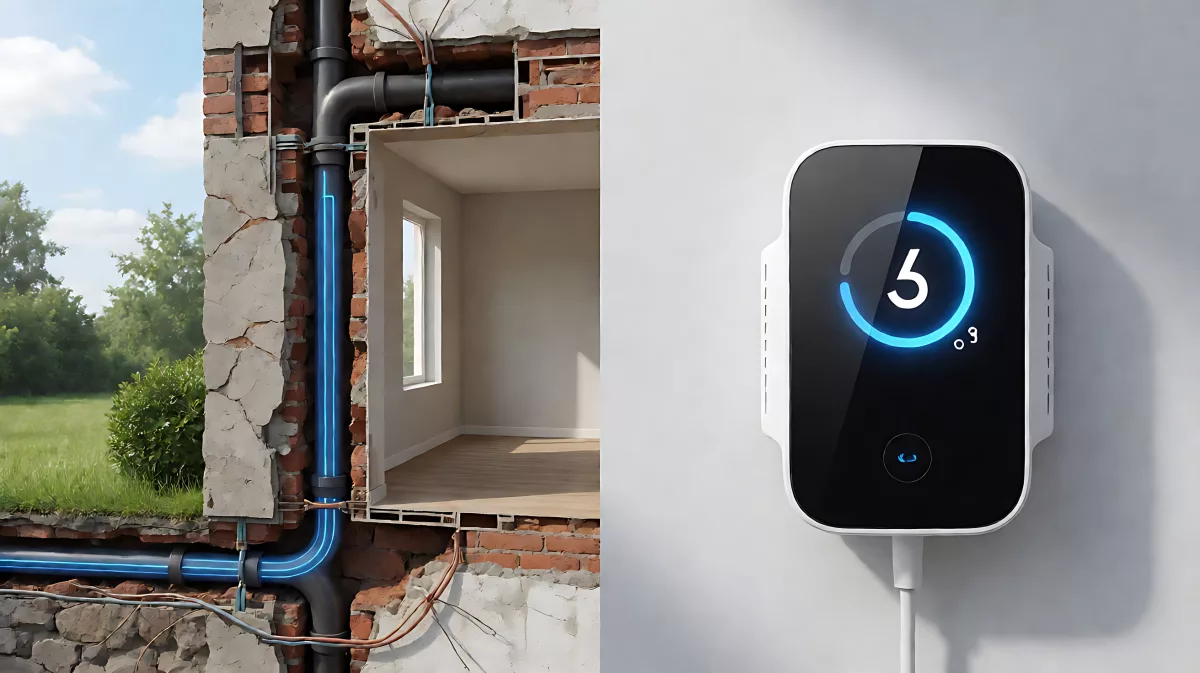
Stop plumbing disasters before they start. Learn the difference between basic moisture detectors and high-tech AI sensors that monitor your entire home's water pressure to prevent costly leaks.
Smart water sensors are small devices that use pressure, flow, or moisture data to identify leaks within seconds, automating shutoffs to prevent costly damage. Unlike traditional detectors that require physical contact with water, advanced systems analyze your home's plumbing in real-time, alerting you and conserving resources before significant repairs become necessary.
How Do Smart Water Sensors Work?
Most basic detectors are passive, meaning they only react when water physically touches a conductive pad. However, modern smart systems use active technology. These devices measure the unique 'voice' of your plumbing. For example, some patented systems developed by researchers at the University of Washington analyze pressure waves 240 times every second. This high-frequency data allows the sensor to distinguish between the signature of a running bathroom faucet and the sudden, irregular signature of a burst pipe. Once an anomaly is detected, the device can trigger an automatic shutoff valve, cutting off water to the entire property.
Which Is Better: Moisture Pads or Whole-Home Monitors?
The right choice depends on your risk profile and budget. Moisture pads are low-cost, battery-powered units you place under sinks, behind water heaters, or near washing machines. They are simple but have a major flaw: they alert you only after water has already escaped and caused potential damage. Whole-home monitors, on the other hand, are installed on your main water line. They provide a diagnostic 'plumbing check' of your entire system, including frozen pipe detection and usage insights, without requiring multiple sensors scattered around the house.
What Should You Look for in a Sensor?
When shopping for a leak protection system, focus on accuracy and automation. Look for devices that offer immediate alerts via smartphone apps. For advanced users, a system that can automatically close your water valve is the most valuable feature, as it stops the leak even if you are not home. Additionally, consider the warranty and support. Major brands often provide two-year limited warranties, and professional installation services are available in many regions, particularly in areas with hard water or specific plumbing requirements. Always check if the sensor supports multi-property monitoring if you own rental units or vacation homes.
How Can You Install a Basic Detector Yourself?
For a DIY approach, start with identifying your highest-risk areas. Under-sink cabinets and the space behind your water heater are the most common sources of hidden leaks. Place a moisture sensor pad on the floor of these enclosed spaces. If you are comfortable with basic plumbing, you can also add a shut-off valve to your washing machine connection. This is a popular retrofit because washing machine hoses are a top cause of catastrophic household flooding. Simply replace the standard hose with a smart, pressure-activated hose that shuts off when it detects a burst.
How Much Does Water Damage Really Cost?
The investment in sensors is often small compared to the potential losses. A minor leak can cost hundreds of dollars in water bills, but a burst pipe can result in thousands in structural repairs and mold remediation. By protecting your home, you also conserve a vital resource. Many smart platforms provide usage reports that can help you spot minor inefficiencies, such as a slowly running toilet, which can waste up to 200 gallons per day. For commercial facilities in the UK and US, firms are deploying sophisticated multi-method systems that combine acoustic detectors, thermal imaging, and impeller sensors to maximize accuracy and reduce repair costs for businesses.
Are These Sensors Accurate Enough to Trust?
Recent third-party studies have confirmed that high-definition pressure wave analysis is the most reliable method for whole-home detection. In one major study, specific smart devices were found to outperform other technologies across multiple flow thresholds. While no system is infallible, the combination of AI-driven monitoring and physical shutoff valves significantly reduces the risk of property damage compared to relying on luck. For peace of mind, many users choose a hybrid approach: a whole-home monitor on the main line plus basic pads under critical appliances.
Frequently Asked Questions
Do I need a professional to install a smart leak sensor?
Basic moisture detectors are completely DIY and require no tools. However, whole-home pressure sensors and automatic shutoff valves are typically installed on the main supply line, which requires shutting off water to the house and handling threaded pipes. While skilled DIYers can do this, hiring a licensed plumber ensures the valve is installed correctly and safely to avoid future issues.
How long do smart water sensors last?
Most devices are built with a two-year limited warranty. The sensors themselves are low-maintenance, but battery-powered units may require battery swaps every six to twelve months. Wireless sensors that use a hub require a stable Wi-Fi connection to send alerts, so you should place the hub in a location with good signal strength.
Can these sensors detect frozen pipes?
Yes. Many advanced systems include temperature monitoring alongside flow data. If the pipe temperature drops below freezing and the water flow stops or becomes erratic, the system can alert you to a potential freeze risk. This allows you to open a tap to let a small amount of water flow and relieve pressure in the pipes, preventing a burst when the temperature rises.