Cord Management for Frail Hands: Simple Home Tips
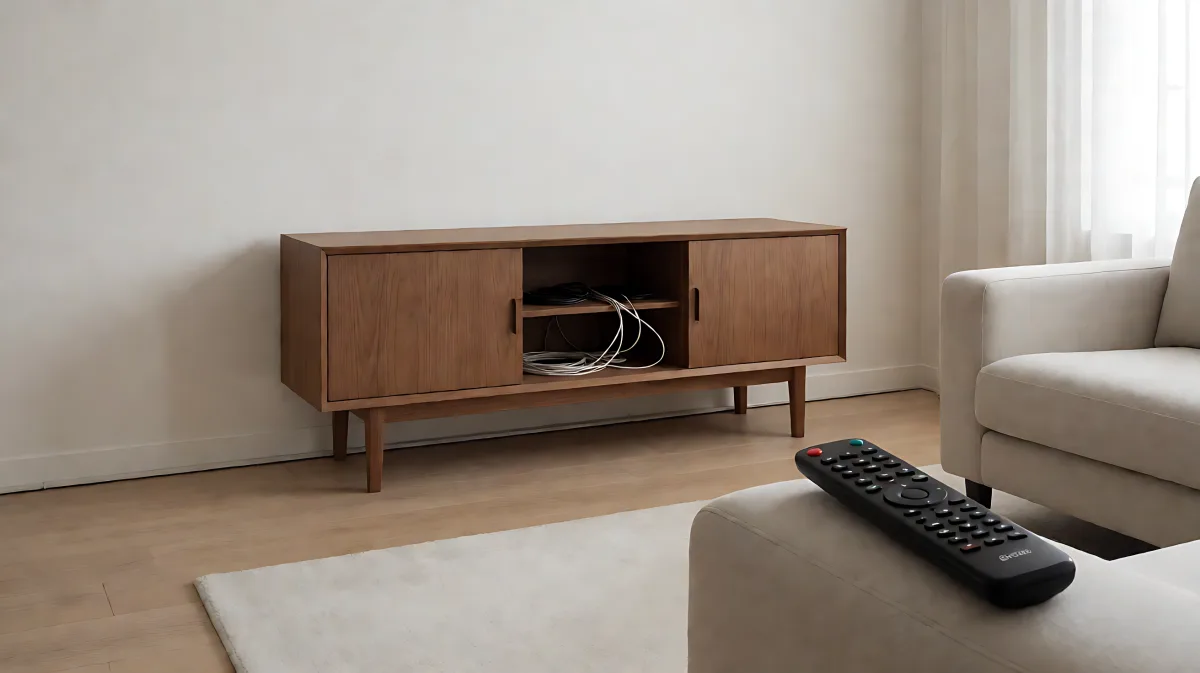
Tangled cords are more than clutter; they are trip hazards. Learn how to use low-grip, hands-free solutions to keep your home safe and accessible without straining weak hands.
Managing household cords becomes challenging when grip strength declines. You do not need to wrestle with tight knots or reach for high outlets. Instead, focus on reducing the number of visible cables and using passive storage systems that require minimal dexterity. By consolidating electronics into fixed stations and using auto-retracting or covered pathways, you can eliminate trip hazards without straining your hands.
Why do cord adjustments become difficult with aging?
As hands lose fine motor control, standard tasks like plugging in a lamp or untangling a charger become frustrating and risky. The National Institute on Aging identifies loose electrical cords as a primary risk factor for falls, which are a leading cause of injury in older adults. Many families assume that the solution is simply putting tapes on the floor, but in fact, adhesive tapes often fail to hold heavy cords securely and can create new tripping edges. A better approach is to remove the cord from the walking path entirely or enclose it in a smooth, fixed cover.
How can you consolidate electronics to reduce clutter?
One of the most effective strategies is to gather devices in one location. Instead of having chargers scattered on nightstands and desks, create a single charging station. Professionals often recommend using modular charging systems that hold devices in place, eliminating the need to hunt for a plug. For example, a dedicated closet or cabinet can house your router, streaming box, and charging hubs. This strategy aligns with advice from sleep specialists like Dr. Matthew Walker, who suggests keeping screens out of the bedroom to improve rest. By centralizing power, you only need to manage one cluster of wires rather than dozens of individual cables.
Which tools require the least grip strength?
When you must handle cords, choose tools designed for accessibility. Retractable cord reels are an excellent option for workshops or offices. These devices allow you to pull out power as needed and release tension to let the cord rewind automatically. This eliminates the need to manually wind or store the cable. Look for models with a locking mechanism that holds the cord in place without requiring a firm squeeze. For lamps, consider replacing traditional pull-cords with battery-operated smart bulbs or cordless lanterns. Brands like Lutron offer smart shading systems that operate via remote or voice, removing the need to reach for blinds or adjust physical cords.
What is the safest way to cover existing wires?
If you cannot remove a cord, cover it to prevent trips. Standard plastic raceways can be rough to install, but modern cord covers from manufacturers like D-Line offer a half-round profile that creates a smooth ramp over the wire. These are self-adhesive and paintable, so they blend into your baseboards. For carpeted areas, use non-adhesive fabric tunnels that grip the rug fibers using a hook-and-loop system. This allows you to lay down a path for a vacuum or vacuum cleaner cord without drilling or using strong adhesives that might be hard to remove.
What checklist should you follow for an accessible cord audit?
- Identify high-traffic zones: Walk your daily routes and mark where cords cross the floor.
- Consolidate power hubs: Move your power strip into a cabinet or behind furniture using a cable box to hide the tangle.
- Replace pull-cords: Swap out window blind pull-cords for battery-powered motorized shades or remote-controlled systems.
- Install smooth covers: Apply paintable cord covers to any wall-running cables that cannot be moved.
- Use retractable reels: Replace loose extension cords in garages or offices with wall-mounted retractable reels for easy retrieval.
How do you maintain a cordless environment long-term?
Maintenance is easier when the initial setup is logical. Regularly check that cord covers have not peeled away, especially if your walls are cold or damp. If you use retractable reels, ensure the winding mechanism is not kinked. By keeping electronics consolidated and using passive storage, you minimize the daily effort required to keep your home tidy. This approach supports independence by reducing the physical demand of simple chores.
Do I need a contractor to install cord covers?
No. Most high-quality cord covers are designed for DIY installation. They feature self-adhesive backing that sticks to painted wood or drywall. You only need to peel, stick, and paint over them to match your trim. No drilling or wiring work is required.
Are retractable cords safe for heavy appliances?
Retractable cords are best for light to medium duty, such as powering a laptop, phone charger, or small workshop tool. They generally have a 13-amp rating. For heavy appliances like a space heater or oven, you should use a permanent hardwired connection or a heavy-duty fixed extension lead, not a retractable reel.
What if I cannot reach the switch to unplug a device?
Consider using smart plugs that can be controlled via a smartphone app or voice assistant. This allows you to turn devices on and off without physical interaction. Additionally, smart lighting systems can be scheduled to turn on and off automatically, removing the need for manual switch operation.
How often should I reorganize my charging station?
Once is usually enough. If you set up a modular charging station where devices sit in fixed slots, you do not need to reorganize. The cables should be long enough to reach the device without stretching. If you find you are constantly moving items, the station may be too small or in an inconvenient location.