Fix Household Repairs: DIY Guide & Tools
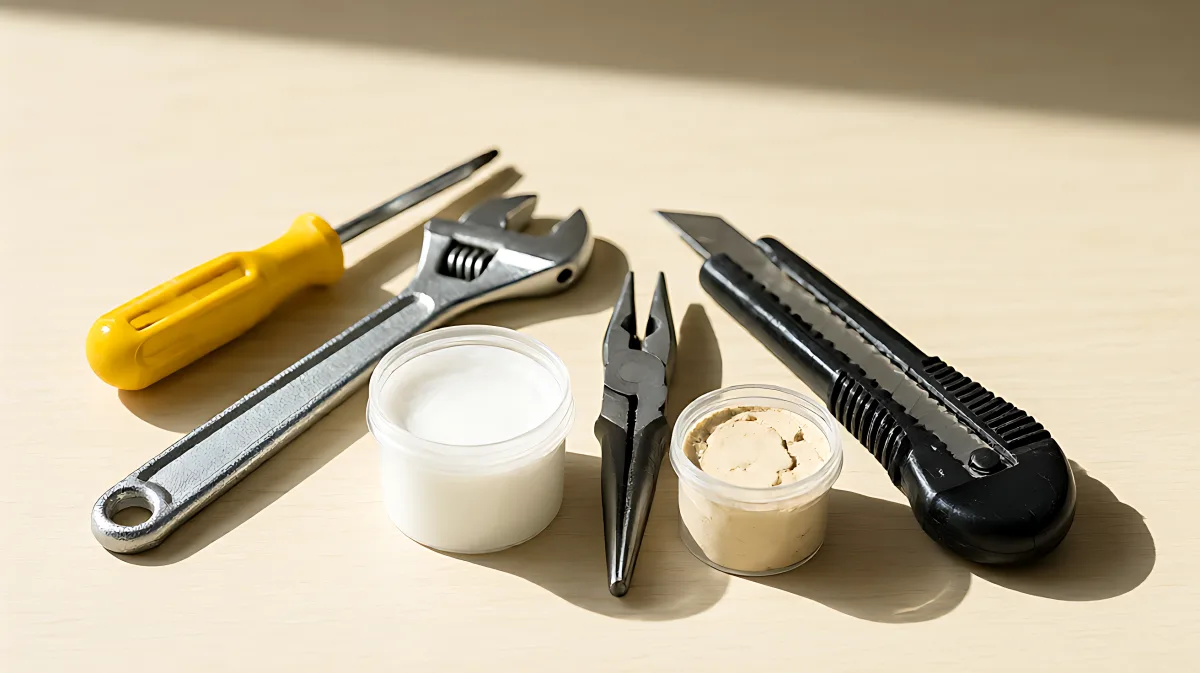
Master basic home maintenance with this guide. Learn how to choose the right tools, fix minor issues like loose cabinets and squeaky doors, and identify when to hire a professional for complex problems.
You can solve many minor household issues yourself by using basic hand tools and standard maintenance techniques. Simple fixes like tightening loose cabinet hardware, lubricating squeaky door hinges, and patching small wall holes require minimal skill and cost. However, you must identify when a problem involves structural elements, gas lines, or high-voltage circuits, where professional intervention is required for safety.
What tools do you need for basic home repairs?
Many people assume they need a garage full of expensive power tools to maintain a home, but in fact, a small set of hand tools covers over 90% of routine maintenance tasks. According to home maintenance guides from Savvy Senior Life, a curated toolkit with lightweight, ergonomic handles is sufficient for most household fixes. Focus on items that are easy to grip and maneuver, especially if you have arthritis or want to avoid strain.
- Screwdriver Set: Include both Phillips and flathead drivers with non-slip handles to prevent stripping screws.
- Adjustable Wrench: A medium-sized wrench handles most nuts and bolts found in pipes and fixtures.
- Pliers: Needle-nose pliers are for gripping small parts, while slip-joint pliers are better for cutting and bending wires.
- Claw Hammer: A lightweight hammer is enough for hanging pictures and minor nailing tasks.
- Measuring Tape: A 12-foot to 16-foot retractable tape is essential for checking dimensions before installing fixtures.
- Level: A small torpedo level ensures shelves and pictures hang straight.
Keeping these items in a clear, lightweight storage bin makes it easy to find the right tool without heavy lifting. This organized approach saves time when you need to perform a quick repair.
How do you fix common minor household annoyances?
Regular small fixes prevent bigger problems later. Here are three practical steps to address frequent issues in your kitchen and hallway.
How do you stop a door from squeaking?
Squeaks usually come from dry or dirty hinges. Open and close the door to identify the specific hinge making the noise. Tap the hinge pin out gently with a hammer and a nail, then clean it with a rag. Apply a spray lubricant like silicone or petroleum jelly directly into the top of the hinge. Move the door back and forth to distribute the oil, then wipe away any excess to prevent drips on the floor.
How do you tighten loose cabinet handles?
Loose knobs can fall off if ignored. Open the cabinet door to find the screws on the inside. Use a screwdriver that fits the head snugly and turn clockwise until firm. Do not overtighten, as this can crack the wood. Wiggle the handle to confirm it is stable. This task takes only a few minutes and restores the cabinet's function.
How do you patch small wall holes?
Wipe the area around the hole with a damp cloth. Press a small amount of spackle or joint compound into the hole using a putty knife or your finger. Smooth the surface flush with the wall. Let it dry for 30 minutes to a few hours, depending on the product. Lightly sand with fine-grit sandpaper (120-180 grit) and touch up with matching paint.
When should you call a professional instead?
DIY has limits. The Oxford English Dictionary defines DIY as doing work without professional qualifications, but safety codes often require licensed experts. You should hire a specialist when the repair involves gas, high electricity, or structural integrity.
| Issue | DIY Fix? | Professional Call |
|---|---|---|
| Leaking faucet | Replace washer/O-ring | Plumber for pipe burst | Clogged drain | Plunger/Drain snake | Plumber for main line blockage | Loose tiles | Re-grout/Replace tile | Contractor for large sections | Power outage in one room | Check breaker | Electrician for wiring faults |
| Roof leak | No | Rofer for safety and scale |
Many families assume that a clogged sink is always a DIY job, but in fact, if the blockage is in the main line, it can cause sewer backup. This requires a professional drain snake or hydro-jetting equipment. Similarly, while you can test a smoke detector, you should not repair electrical wiring that is frayed or sparking. These are fire hazards that need a licensed electrician.
How does regular maintenance improve your home's value and safety?
Proactive upkeep preserves your independence and can lead to financial benefits. The American Home Builders Institute notes that routine maintenance can qualify homeowners for insurance discounts in some policies. By catching small issues early, you avoid costly emergency repairs. For seniors and families alike, a well-maintained home is safer, more comfortable, and easier to live in.
FAQ
Is it safe to repair my own electrical issues?
You can safely replace a light bulb or test a circuit breaker. However, do not work on exposed wiring or internal panels. This carries a risk of shock and fire. Always call a licensed electrician for wiring repairs.
What is the best lubricant for squeaky doors?
Silicone spray is ideal because it does not attract dust. Petroleum jelly works well for short-term fixes. Avoid using cooking oil long-term, as it can become sticky and attract dirt, worsening the squeak.
How often should I check for leaks?
Inspect under sinks and around toilets monthly. Look for water stains or soft spots on the floor. Early detection prevents mold growth and structural damage to the subfloor.
Can I fix a leaking roof myself?
No. Roof repairs involve working at height and often require specific underlayment knowledge. Hire a professional roofer to assess and repair leaks safely.