Senior Travel Tips: Solo, Mobility & Safety
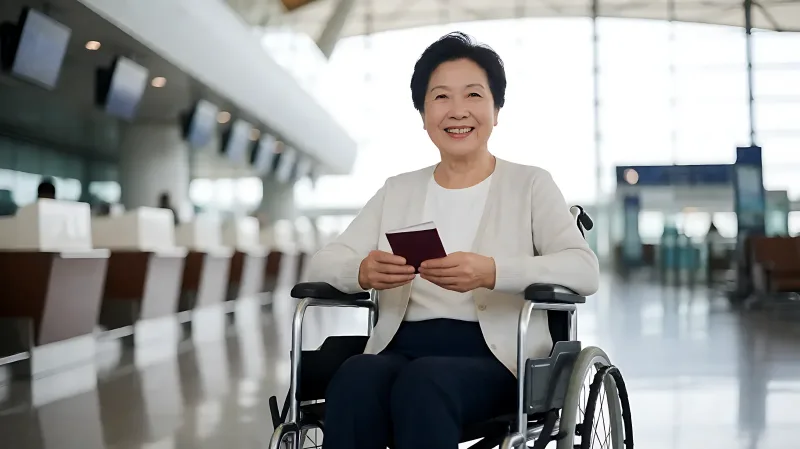
Discover essential tips for seniors traveling alone. Learn how to manage mobility, medical needs, and safety on flights and cruises with expert advice.
Planning a solo trip as a senior requires balancing medical needs with mobility goals. This guide provides practical strategies for flying, cruising, and staying safe. Use these tips to build a secure itinerary that prioritizes health and comfort.
For more information, see CDC travel guidance for older adults from the CDC.
How Do You Prepare Your Health for Solo Travel?
Medical readiness is the first step in successful senior travel. The Centers for Disease Control and Prevention (CDC) advises that individuals with certain medical conditions are at higher risk for severe illness from infectious diseases like COVID-19. Staying up to date with recommended vaccines is crucial. Check your vaccination status at least two weeks before your trip. Additionally, consult your primary care physician to assess your fitness for travel. They can advise on any specific precautions, such as carrying a detailed medical summary or emergency contact list. This document should include your allergies, current medications, and blood type. Carry a portable copy in your carry-on bag so it is accessible if your luggage is delayed.
How Do You Manage Mobility Constraints on the Road?
Mobility challenges can turn a vacation into a struggle if not planned for. Assess your destination’s accessibility before booking. Look for hotels with elevators, step-free entrances, and accessible bathrooms. Many modern facilities in the United Kingdom and United States adhere to strict accessibility standards, but rural locations may differ. If you use a wheelchair or walker, inform the airline during the booking process. This allows them to arrange assistance at the gate and in the terminal. For long flights, practice moving your legs and ankles to prevent blood clots. Compression socks, typically available in sizes ranging from 15 to 20 mmHg, can help maintain circulation. Always stay hydrated and limit alcohol and caffeine intake, which can dehydrate you and disrupt your sleep rhythm.
What Are the Best Strategies for Safe Flying?
Flying alone as a senior requires specific logistical planning to minimize stress. According to data from the American Automobile Association (AAA), international travel demand has surged, leading to higher ticket prices and longer passport processing times. Routine passport services can take 10 to 13 weeks, so start early. When booking flights, choose seats near the aisle or at the front of the plane if you have limited mobility. Some airlines allow priority boarding for passengers who need assistance, but this is not guaranteed. Always check the airline’s specific policies on mobility aids. You are allowed to bring a wheelchair or walker in the cabin, but it must be checked or stowed at the gate. To avoid lost luggage, place a large paper with your name and address inside your suitcase. This ensures the airline can identify your bag even if the tag falls off. Wear comfortable, layerable clothing to adjust to changing cabin temperatures.
How Do You Handle Medical Emergencies in the Air?
While rare, medical emergencies can happen on flights. Ensure you have travel insurance that covers pre-existing conditions and medical evacuation. Review your policy to understand which insurance is primary. If you take prescription medications, keep them in their original labeled containers in your carry-on. International rules may prohibit certain substances, so verify with the destination’s customs regulations. Carry enough medication for the entire trip plus a five-day buffer in case of delays. Inform the flight attendant of any serious health conditions when you board, discreetly if preferred. This ensures they can call for medical assistance quickly if needed. For seniors with heart conditions, carry nitroglycerin or other emergency medication in an easily accessible pocket.
Are Cruises a Good Option for Seniors?
Cruises offer a unique advantage for older travelers: you unpack only once and have medical staff on board. AAA data shows that cruises departing from international destinations have seen a 30 percent increase in demand in recent years. Mediterranean and Caribbean routes are popular, but Northern Europe is also trending. The controlled environment of a ship means you can stay close to care if you feel unwell. Most cruise lines have a medical center staffed by doctors and nurses. However, note that the ship’s doctor may not have your medical history. Provide them with your records upon boarding. Plan your excursions carefully to avoid excessive walking. Many ports allow you to stay on the ship while others go ashore, giving you a rest period. Choose cabins with wider doorways if you use a mobility device. Some new ships are designed with accessibility in mind, so verify this with the travel agent.
How Do You Stay Safe During Excursions?
Walking on uneven decks and cobblestone streets poses tripping risks. Wear non-slip shoes with good arch support. Keep a phone charger on you at all times to stay connected with the ship. Join a small group tour for organized activities, which provides a safety net. Avoid going off with strangers. If you must travel alone in a port, inform the ship’s security desk of your location and return time. Carry a card with the ship’s name and your cabin number. This helps you find your way back if you get lost in a busy port. Be aware of your surroundings and keep valuables out of sight to prevent pickpocketing.
How Can You Secure Your Personal Safety Abroad?
Staying safe involves both physical security and digital vigilance. The U.S. State Department recommends enrolling in the Smart Traveler Enrollment Program (STEP). This free service allows you to register your trip with the U.S. Embassy at your destination. They can send you alerts about safety issues or natural disasters. Make digital copies of your passport and ID, storing them in a secure cloud folder and in your email. If your passport is lost, you can report it faster and start the replacement process immediately. Notify your credit card company of your travel dates to avoid card blocks. When using ATMs, choose those attached to banks rather than standalone machines. These are less likely to have skimming devices attached. Divide your cash and cards between your wallet, purse, and hotel safe. If traveling alone, share your itinerary with a trusted friend or family member at home. Check in with them at agreed-upon times.
How Do You Prepare for Unexpected Changes?
Flexibility is key when traveling alone. Build buffer days into your itinerary to rest or handle delays. Do not schedule back-to-back flights or early morning check-ins. If you are prone to jet lag, consider time zones that are close to home or take longer flights during the day. Avoid caffeine and alcohol to help your body adjust. Pack a basic first aid kit with band-aids, pain relievers, and anti-diarrhea medication. Research the location of the nearest hospital or urgent care clinic in your destination. Keep the address and phone number written down in your wallet. Travel insurance is not just a recommendation; it is a financial safeguard. Ensure your policy covers trip interruption, cancellation, and medical expenses. Understand the deductibles and copays before you buy. If you have pre-existing conditions, look for policies that cover them, though this may cost more.
Frequently Asked Questions
Is it safe for a senior to travel alone?
Yes, with proper planning. Most seniors travel safely by managing their health, choosing accessible accommodations, and keeping emergency contacts handy. The key is preparation and informed decision-making regarding destinations and activities.
What documents should a senior carry when traveling solo?
Carry your passport, a copy of your medical summary, a list of medications with dosages, travel insurance policy details, and emergency contact numbers. Store digital copies in the cloud and keep one physical copy in your carry-on.
How early should a senior apply for a passport?
Apply at least 13 weeks before your travel date. Routine processing currently takes 10 to 13 weeks according to the U.S. Department of State. Expedited services take 7 to 9 weeks, so starting early is critical to avoid delays.
Can seniors get compensation if their flight is canceled?
Compensation depends on the airline’s policy and the reason for the cancellation. For flights departing from the EU or UK, regulations require care and potentially compensation for long delays. For domestic U.S. flights, compensation is less standardized. Always check the airline’s contract of carriage and your travel insurance policy.
What is the best time of day to fly for a senior?
Midday flights are often preferred. They avoid the rush of early morning check-ins and the congestion of late-night arrivals. Daytime travel also helps mitigate jet lag, as you are awake during daylight hours in the new time zone.