Senior Medication Management: 7 Tips to Avoid Interactions
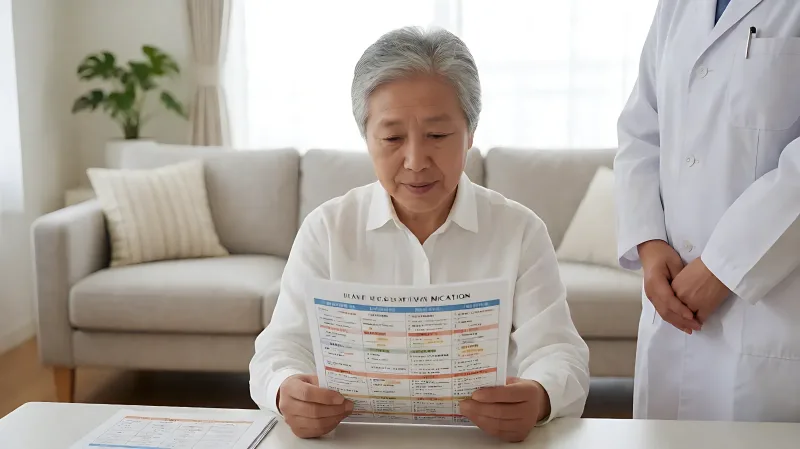
Managing prescriptions in later life can be complex. This guide offers seven evidence-based strategies to help seniors and caregivers prevent errors, track dosages, and ensure safe medication use at home.
Older adults taking multiple prescriptions face a high risk of medication errors, which can lead to serious health complications. To stay safe, you must maintain an updated master list of all drugs and supplements, use a compartmentalized pill organizer, and establish daily habits that anchor your doses to existing routines. According to the CDC, people with chronic conditions require vigilant monitoring to prevent adverse interactions. By implementing these seven strategies, you can significantly reduce the chance of missed doses, double dosing, or harmful drug conflicts.
For more information, see NIA healthy aging resources from the National Institute on Aging.
Why Is Medication Safety Critical for Seniors?
As we age, our bodies process drugs differently. The U.S. Food and Drug Administration (FDA) notes that older adults often have reduced kidney and liver function, which alters how medications are absorbed and cleared. This increases the risk of side effects and interactions. The Centers for Disease Control and Prevention (CDC) highlights that seniors with multiple chronic conditions, such as heart disease or diabetes, are at a higher risk of hospitalization due to medication-related issues. Furthermore, cognitive changes can make it harder to remember complex schedules. Studies indicate that medication self-administration errors are a leading cause of preventable hospital visits among the elderly. These errors often stem from confusion over dosage, timing, or the specific purpose of each drug. Awareness of these risks is the first step toward a safer routine.
What Should Be Included in a Master Medication List?
A master medication list is your central reference for all health treatments. It should not just list prescriptions but also over-the-counter pain relievers, herbal supplements, and vitamins. The National Institute on Aging recommends updating this list every time a doctor or pharmacist makes a change. Each entry should include the generic and brand name, the specific dosage in milligrams or tablet count, and the frequency of use. You should also note the prescribing doctor and the specific medical condition the drug addresses. Including potential side effects helps you and your caregivers spot problems early. Keep this list in a binder, a digital note on your phone, or a dedicated app. Bring a physical copy to every doctor's appointment and share it with your primary care provider and pharmacist to ensure they have the most current data.
How Do You Prevent Dangerous Drug Interactions?
Drug interactions occur when one medication changes the effects of another, either making it less effective or more toxic. The FDA maintains a database of known interactions, but it is your responsibility to ensure all providers know what you are taking. Do not assume that two doctors are communicating. Explicitly tell every specialist that you are taking specific medications, including coffee pills or daily aspirin. Some supplements, like St. John's Wort, can interfere with antidepressants and blood thinners. Regularly ask your pharmacist, "Are there any new interactions I should worry about?" during refill pickups. The American Society of Health-System Pharmacists advises that pharmacists are often the best resource for identifying these conflicts because they see your entire medication profile in one system.
What Are the Best Tools for Organizing Daily Doses?
Pill organizers are the most effective tool for visual confirmation that a dose has been taken. Choose a organizer that matches your schedule. If you take medications only in the morning and evening, a simple two-slot box may suffice. However, if you take drugs every eight hours, you need a seven-day organizer with three compartments per day. The Consumer Product Safety Commission (CPSC) recommends selecting organizers with clear, labeled compartments to prevent confusion. Color-coded lids can also help those with visual impairment. Weekly reloading is a critical habit. Dedicate Sunday afternoon to fill the entire week using your master list as a guide. This prevents the "did I already take this?" anxiety throughout the week. For those who travel, carry a small weekly organizer with only the medications for those days.
How Can You Build Reliable Medication Habits?
Habit stacking involves linking your medication routine to an activity you already do daily. For example, take your morning vitamins with breakfast and your evening blood pressure medication when you brush your teeth before bed. This reduces the cognitive load of remembering times. Set digital reminders on your smartphone or smart speaker. The NIH suggests that auditory alarms are more effective for older adults who may have hearing or memory issues. If you rely on a caregiver, create a written log where each dose is checked off. This provides accountability. For those who struggle with late-stage adherence, automated dispensing devices that lock and unlock only at the correct time can be a significant safety net.
When Should You Contact a Healthcare Professional?
Not every side effect requires an emergency visit, but some signs are red flags. The CDC advises contacting a provider immediately if you experience unexplained bleeding, severe dizziness, or signs of an allergic reaction. Keep a log of any new symptoms that appear after starting a new medication. Bring this log to your next appointment. If you miss a dose, do not double up on the next one unless instructed by your doctor or pharmacist. Instead, call the pharmacy to confirm the correct next step. Regular medical check-ups, at least twice a year, allow your doctor to review your liver and kidney function, which dictates how your body handles drugs.
Frequently Asked Questions
Can I take my prescription with food if it says to take it on an empty stomach?
No. Food can change how quickly a medication is absorbed into your bloodstream. For some drugs, food increases absorption, while for others, it blocks it. Always follow the specific instructions on your label. If you are unsure, call your pharmacist for a definitive answer tailored to your specific drug.
How often should I update my medication list?
You should update it every time a doctor adds, removes, or changes the dose of a medication. Additionally, review the entire list at least every six months to check for expired medications or interactions with new supplements you may have started.
What should I do if I find a medication with no label?
Do not guess what the pill is. Bring the pill and the bottle to a pharmacy for identification. The pharmacist can look at the shape, color, and markings to identify it. If it is a controlled substance, report it to the appropriate authorities.
Are generic drugs just as effective as brand name drugs?
Yes. The FDA requires generic drugs to have the same active ingredient, strength, and dosage form as the brand name version. They must meet the same strict standards for safety and bioequivalence. Generics are often a cost-saving way to maintain the same treatment plan.
How can I make sure my doctor knows about my OTC medicines?
Keep a physical or digital list of over-the-counter drugs, such as ibuprofen or antacids, and show it to your doctor during every visit. Many seniors take multiple OTC meds daily without realizing they might interact with their prescriptions.